By: Boxer Exteriors • August 6, 2026 • 8 min. read
Explore why roof replacement estimates vary between similar homes, including roof size, pitch, materials, labor, access, permits, repairs, and warranties.
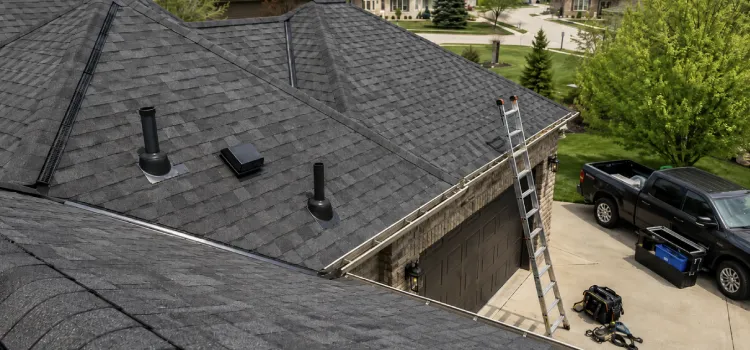
Table of Contents
- 1. Roof Size Is Only the Starting Point
- 2. Roof Pitch and Complexity Change the Labor Required
- 3. Asphalt Shingle Roofing and Flat Roofing Systems Have Different Cost Structures
- 4. How Tear-Off, Decking, Permits, and Disposal Affect the Final Price
- 5. How to Compare Roof Replacement Quotes Fairly
- 6. Look Beyond the Bottom-Line Number
- 7. Frequently Asked Questions
A roof replacement estimate covers the entire roofing system and the work required to install it, not just the visible surface. Differences in measured roof area, material specifications, flashing requirements, labor, access, and warranty coverage result in different quoted prices. Some contractors include an allowance for concealed decking damage, while others price those repairs by the sheet after tear-off. The scope behind the figure determines whether two estimates are truly comparable.
As a result, two similar homes in Wheaton or another Chicago suburb can receive substantially different estimates. A detailed roof replacement cost estimate shows exactly which asphalt shingle system, repairs, ventilation components, flashing details, and property-protection measures are included.
Roof Size Is Only the Starting Point
A 2,000-square-foot home does not automatically have 2,000 square feet of roof surface. Garages, porches, additions, and wide overhangs increase the total area when they extend beyond the main footprint. Roof pitch increases the surface area further because a sloped roof has more surface area than its horizontal footprint suggests.
Contractors measure each roof plane separately and add a waste allowance for cuts around valleys, ridges, edges, vents, and other transitions. Complex roof designs generally require a larger waste allowance because short or angled shingle runs produce leftover material that cannot be used elsewhere.
Roof replacement cost by size is based on the measured surface area, not interior floor space. Roof replacement cost per square foot provides an early budgeting reference, but it does not account for tear-off layers, restricted access, ventilation changes, decking damage, or unusual geometry. Even a tight side yard can increase handling time by limiting equipment placement and forcing crews to carry debris farther.
A roof replacement cost calculator provides a preliminary planning range rather than a final project price. An on-site inspection reveals conditions such as deteriorated decking, hard-to-access eaves, unusual geometry, and additional property protection requirements, allowing the contractor to calculate a realistic project cost.
Roof Pitch and Complexity Change the Labor Required
Two roofs that look nearly identical from the curb can require substantially different amounts of labor. A simple, walkable gable roof gives the crew long, open installation runs with few interruptions. A steep roof with dormers, tight valleys, skylights, chimneys, or intersecting planes requires more cutting, flashing, staging, and safety work.
Each break in the surface introduces another transition that must be measured, fitted, sealed, and inspected. Short shingle runs increase material waste, while valleys and flashing details require careful installation to direct heavy rain and melting snow. On Chicago-area homes, these areas must also withstand repeated freeze-thaw cycles. Damaged flashing must be removed and replaced rather than covered with new roofing materials. Roof complexity therefore affects material use, the installation schedule, and roofing labor costs even when the total roof area is nearly identical.
Roof pitch also determines how freely the crew can move and handle materials. The labor cost for a steep roof reflects the need for fall protection, roof jacks, additional setup, and slower handling of tools and shingle bundles. These requirements increase labor time and the installed cost per square foot before the cost of any necessary repairs is added.
Site access affects the estimate as well. Narrow driveways, nearby homes, established landscaping, and limited dumpster space can slow deliveries and debris removal. Crews may have to carry supplies farther or install additional protection around the property. A complete roof replacement estimate accounts for these conditions because they directly influence labor, equipment placement, and cleanup.
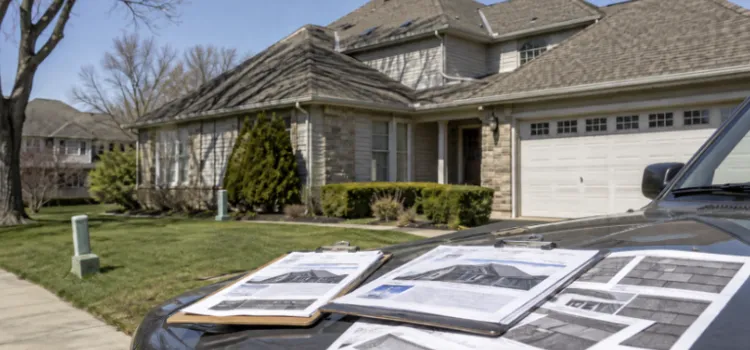
Asphalt Shingle Roofing and Flat Roofing Systems Have Different Cost Structures
The cost of a roof replacement cannot be determined from the visible roofing material alone. Each system includes several layers and details that work together, and the lowest product price does not guarantee the lowest long-term cost.
For an asphalt shingle roof estimate, the contractor looks at the shingle grade along with underlayment, ice-and-water protection, flashing, ridge caps, ventilation, and fastening requirements. Standard three-tab products usually start at a lower price. Architectural shingles add depth and typically offer a balanced mix of appearance, wind resistance, and durability for Chicago-area homes. Premium options increase material costs further, but enhanced warranty coverage or a longer service life can justify the additional cost.
Flat roofing systems have a different pricing structure. A flat roof replacement estimate considers the membrane, seams, penetrations, edge details, drainage, insulation, and existing layers. Moisture damage may remain hidden beneath the surface until removal begins. If the insulation or roof deck has deteriorated, the crew must replace the affected areas before installing the new membrane.
These systems also respond differently to weather and maintenance. An asphalt roofing assembly must shed rain and snow while resisting wind and hail damage. A flat roofing system depends heavily on properly sealed seams and unobstructed drainage to prevent standing water. Insulation choices can influence energy performance in either case.
A detailed cost estimate identifies the full system, not just a brand or product line. That gives the homeowner a more reliable basis for comparing warranty terms, expected maintenance, and installation quality. It also helps explain why one estimate is higher than expected while another appears unusually low.
How Tear-Off, Decking, Permits, and Disposal Affect the Final Price
The final roof replacement cost becomes clearer once the old roofing material is removed. Removing one asphalt shingle layer takes less time and produces less debris than removing multiple layers. Extra layers increase the required labor hours, raise roof tear-off costs, and conceal water damage that may not be visible during attic or ground-level inspections.
Once exposed, the crew checks the deck for soft, rotted, or delaminated sheathing. Contractors charge for roof decking repair by the sheet or include a stated allowance in the estimate. The crew must replace damaged panels to restore a solid fastening surface before installing the new roofing system.
Online calculators rarely include all site-related project costs. Roofing disposal costs cover the dumpster, hauling, and local fees. Property protection costs include tarps or plywood used to protect siding, windows, and landscaping. Roofing permit costs and inspection requirements differ among Wheaton, Naperville, Glen Ellyn, Geneva, Downers Grove, and other Chicago suburbs, so the same project scope may cost more in one municipality than in another.
Snow, ice, wind, hail, freeze-thaw cycles, and seasonal demand also influence regional roofing costs. When storm damage extends to gutters, fascia, siding, or windows, coordinating the exterior work helps reduce duplicate setup and cleanup. The project scope identifies whether crews will repair or replace damaged components. The total project price still increases because the scope includes additional repairs.
How to Compare Roof Replacement Quotes Fairly
A fair comparison of roof replacement quotes starts with scope, not the bottom-line number. A complete estimate for a new roof identifies the measured roof area, materials, installation requirements, allowances, warranties, and exclusions.
| Estimate item | Why quotes may differ | What the estimate should specify |
|---|---|---|
| Measured roof area | Pitch, garages, porches, additions, and overhangs change the actual roofing surface | Total roof area or number of roofing squares and the waste allowance |
| Roof complexity | Valleys, dormers, chimneys, skylights, and intersecting planes require more cutting and flashing work | Complexity-related labor, safety setup, and flashing requirements |
| Roofing system | Shingle grade, membrane type, underlayment, ridge caps, fasteners, and edge details vary | Manufacturer, product line, material grade, and all system components |
| Tear-off | Removing multiple roofing layers requires more labor and produces more debris | Number of layers included in removal and associated disposal |
| Decking repairs | Concealed damage becomes visible only after the existing roof is removed | Decking allowance, per-sheet price, and approval process for additional repairs |
| Flashing and penetrations | Chimneys, vents, skylights, walls, and valleys require different flashing details | Which flashing components will be replaced and which penetrations are included |
| Ventilation and insulation | Some roofs require ventilation corrections or insulation work | Ventilation calculations, components, and any insulation included |
| Site access and protection | Tight yards, landscaping, limited driveway access, and restricted dumpster placement increase handling time | Equipment access, property-protection measures, and cleanup responsibilities |
| Permits and disposal | Municipal fees, inspections, hauling distances, and landfill charges vary | Permit, inspection, dumpster, hauling, and disposal costs |
| Warranty coverage | Workmanship terms, manufacturer coverage, and post-installation support differ | Warranty length, exclusions, registration, and responsible parties |
Labor charges cover crew installation time. Contractor overhead covers supervision, insurance, safety programs, equipment, office support, and warranty administration. The contractor’s profit accounts for the financial risk of operating the business and taking responsibility for the completed work. A substantially lower quote should be checked for omitted work, reduced warranty coverage, or limited post-installation support.
At Boxer Exteriors, we offer free inspections for asphalt shingle and flat roofing projects throughout Wheaton and the surrounding Chicago suburbs. As an Owens Corning-certified contractor, we bring storm restoration experience, flexible financing options, and a 10-year workmanship warranty on full roof replacements. Contact our Wheaton office to request a detailed quote.
Look Beyond the Bottom-Line Number
The average roof replacement cost provides an initial budgeting reference, but no single average represents every home. A fair comparison requires consistent roof measurements, material specifications, repair allowances, permit responsibilities, cleanup terms, and warranties. Once those details align, the difference between quoted prices becomes easier to explain, and the homeowner knows exactly which work the contract covers.
Frequently Asked Questions About Roof Financing
How accurate is a roof cost calculator?
A roof cost calculator provides an early budgeting range based on location, home dimensions, slope assumptions, and regional pricing per square foot. It does not measure the size of your roof, inspect the decking, count existing layers, or evaluate access. Because every roof has a different combination of planes, penetrations, and repair requirements, calculator results remain preliminary. An on-site inspection replaces those assumptions with actual measurements, material requirements, and labor details.
How does the size of your roof affect replacement pricing?
Interior square footage measures living space rather than roofing surface. Roofed garages, porches, additions, overhangs, and roof pitch can increase the measured roof area beyond the home’s footprint. The cost to replace a roof also reflects roof complexity. Valleys, dormers, skylights, and steep slopes increase the amount of cutting, material waste, safety setup, and labor required. A complex roof therefore carries a higher replacement price than a simple, walkable gable roof with the same interior dimensions.
How do asphalt shingles compare with flat roofing systems?
Asphalt shingles and flat membranes rely on different components and installation methods. The type of roofing material determines the underlayment, flashing, fastening, drainage, ventilation, insulation, and edge details required for the system. When comparing roofing options, homeowners should evaluate the complete assembly rather than the visible covering alone. Those specifications influence the cost of a new roof, installation requirements, warranty coverage, energy performance, and future maintenance.
What does a complete roofing estimate include?
A complete estimate lists the measured area, tear-off layers, decking allowance, materials, flashing, ventilation, permits, disposal, cleanup, warranties, and exclusions. A qualified roofing contractor also identifies responsibility for inspections and property protection. Proposals from roofing companies may allocate different amounts to overhead and profit. Overhead covers supervision, insurance, equipment, administration, and warranty support, while profit compensates for business risk. Reviewing each line confirms whether the total cost reflects an equivalent scope.
Why does roof installation pricing vary between similar homes?
The cost of a roof replacement reflects pitch, access, material handling, permit fees, inspection rules, disposal charges, crew time, and seasonal demand. During a roof replacement project, steep slopes increase setup requirements, while narrow driveways slow material handling and debris removal even when the measured area remains similar. A full roof replacement in the Chicago suburbs must also include materials and installation details designed to withstand snow, ice, wind, hail, and repeated freeze-thaw cycles.



Tony and Judy Lavarda, Napervile, IL

The team worked efficiently, stayed responsive to phone calls, and were always professional, friendly, and positive. They came highly recommended and truly delivered. We continue to refer them to our friends and neighbors as well.


I highly recommend Boxer Exteriors


Great customer service. Dawn and her team went above and beyond. I highly recommend!!!!!💪🏻💪🏻