By: Boxer Exteriors • June 27, 2026 • 12 min. read
Compare roof replacement cost per square foot in Illinois by size, material, labor, pitch, tear-off, decking, ventilation, permits, and inspection needs.
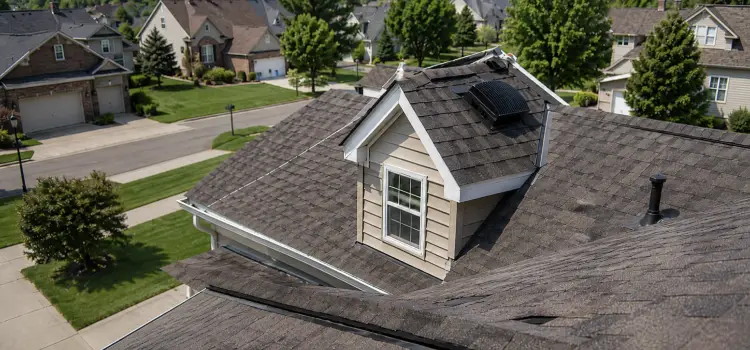
Table of Contents
- 1. How Roof Replacement Cost per Square Foot Works
- 2. Roof Replacement Costs by House Size in Illinois
- 3. Roof Replacement Cost by Material in Illinois
- 4. Main Factors That Affect Roofing Cost per Square Foot
- 5. Roof Repair vs. Replacement: When Is Full Replacement Worth It
- 6. How to Get a More Accurate Roof Replacement Estimate in Illinois
- 7. Frequently Asked Questions
The cost of roof replacement per square foot in Illinois depends on the roof itself, not just the size of the home. Material, labor, pitch, tear-off, decking condition, ventilation, flashing, and local permit requirements all affect the final number. Square-foot pricing is useful for comparing rough ranges, but it cannot show the full picture without looking at the actual structure.
A ranch-style home in Wheaton and a steep home with multiple roof planes in Hinsdale may look similar on paper, yet the work involved can be very different. One may have clear access and a clean layout, while the other may include valleys, dormers, skylights, and extra safety setup.
The cost of roof replacement in Illinois often falls into a wide range because every home has different conditions. The average price of replacing a roof can change based on property type, storm damage, material choice, and installation details. When homeowners ask how much a roof replacement costs in Illinois, the most accurate answer starts with proper measurement and inspection.
How Roof Replacement Cost per Square Foot Works
Roof replacement pricing starts with the difference between house size and measured roof area. A 2,000-square-foot home does not automatically have 2,000 square feet of roof area above it. Slope, overhangs, garages, covered porches, additions, valleys, and dormers can all increase the measured area.
Homeowners often look at roofing cost per square foot because it gives them a quick way to compare projects. Contractors, however, usually calculate materials and labor in roofing squares.
What Is a Roofing Square?
A roofing square equals 100 square feet of roof area. Contractors use this standard unit to calculate shingles, underlayment, fasteners, and other materials. It gives the crew a clearer way to measure the work instead of relying on the home’s floor plan.
For example, a low-slope ranch with a clean rectangular layout may be easier to measure and install. A two-story home with a steep pitch, several roof planes, a chimney, and skylights may require extra labor even when the total area is similar.
Garages, porches, bay windows, and additions can all increase the roof area that needs to be covered. Valleys and flashing details may also add time because they require careful sealing to manage water during heavy rain, ice, and seasonal freeze-thaw cycles.
An online number can help with early planning, but it is only a starting point. A reliable roof replacement estimate for an Illinois home should account for professional measurement, current roof layers, decking condition, ventilation, and visible storm damage. Those details give the homeowner a clearer, more realistic price instead of a loose guess.
Roof Replacement Costs by House Size in Illinois
Roof replacement costs by house size are useful for early budgeting because larger roofs typically require additional shingles, underlayment, flashing, nails, disposal, and crew time. Still, size is only one factor. Complexity can affect the final cost just as much as the total roof area.
A smaller, steep roof can cost more per square foot than a larger roof with a cleaner layout. That may sound strange at first, but it makes sense once access, safety, pitch, and installation speed are considered. A compact home with steep slopes, several valleys, and hard-to-access edges may require slower, more careful installation compared with a broad ranch that has an open layout.
For early planning, the table below shows estimated installed roof replacement costs based on measured roof square footage, not the home’s interior square footage. These ranges use a broad 2026 planning range of about $5.50 to $18.00 per square foot.
| Roof Square Footage | Estimated Installed Cost in 2026 | Common Project Type |
|---|---|---|
| 800 sq. ft. | $4,400 – $14,400 | Garage, small home section, simple roof area |
| 1,000 sq. ft. | $5,500 – $18,000 | Small home, detached garage, compact roof |
| 1,200 sq. ft. | $6,600 – $21,600 | Smaller single-family home or simple ranch layout |
| 1,500 sq. ft. | $8,250 – $27,000 | Common smaller suburban home |
| 1,750 sq. ft. | $9,625 – $31,500 | Mid-size home with moderate roof area |
| 2,000 sq. ft. | $11,000 – $36,000 | Average suburban home in Illinois |
| 2,200 sq. ft. | $12,100 – $39,600 | Larger single-family home or home with attached garage |
| 2,500 sq. ft. | $13,750 – $45,000 | Larger home, expanded layout, multiple roof sections |
| 3,000 sq. ft. | $16,500 – $54,000 | Large home, complex roof, premium material option |
Note. These numbers are useful for rough budgeting, but they should not be treated as a final quote. The wider ranges reflect the difference between basic asphalt projects and more complex or premium roofing systems.
A 1,000-sq-ft roof is often found on garages, small homes, or uncomplicated sections of a property. These projects may stay on the lower end of the price range when the layout is clean, the slope is moderate, and the existing layers are easy to remove.
A 1,500-sq-ft roof cost can vary widely. A 1,500-sq-ft roof on a ranch-style home may be easier to replace than one with steep pitches, valleys, skylights, chimneys, and multiple roof planes.
The 2,000-sq-ft roof cost range is common for many suburban homes in Illinois. At this size, material choice and labor details become especially important. Asphalt shingles may help keep the project cost more manageable, while premium systems can raise the final price.
A 3,000-sq-ft roof cost usually applies to larger homes, expanded layouts, multi-story properties, or houses with attached garages and covered outdoor areas. These projects can also involve additional hauling, disposal, safety planning, and inspection time.
For Illinois homeowners comparing replacement options, size is a useful starting point, but it should not be the only consideration. Roof design, pitch, damage, material, and access can all change the final number. The average roof replacement cost in Illinois is easier to understand when the estimate reflects the actual structure, not only the house size.
Roof Replacement Cost by Material in Illinois
Material choice can have a major impact on roof replacement cost. Two homes with the same measured roof area may have very different final pricing if one uses standard architectural asphalt shingles and the other uses metal, cedar shake, composite, or slate roofing.
The table below compares common roofing materials by estimated installed cost, typical lifespan, and best use case. These are broad 2026 planning ranges for Illinois homes, not fixed quotes. Final pricing can change based on pitch, tear-off, decking condition, flashing, ventilation, access, permits, and roof complexity.
| 3-tab asphalt shingles | $4.50–$6.50 | 15–25 years | Basic replacements, smaller budgets, simple rooflines |
|---|---|---|---|
| Architectural asphalt shingles | $5.50–$8.50 | 20–35 years | Most residential homes, better curb appeal, stronger everyday durability |
| Premium/designer asphalt shingles | $7.00–$12.00 | 25–40 years | Higher-end homes where appearance and shingle performance are priorities |
| Metal roofing | $8.00–$18.00 | 40–70 years | Long-term ownership, weather resistance, reflective roof options |
| Composite roofing | $8.00–$15.00 | 30–50 years | Premium appearance with less weight than natural slate or tile |
| Cedar shake | $6.00–$12.00 | 20–40 years | Traditional homes, natural appearance, high-end exterior style |
| Slate roofing | $15.00–$30.00+ | 75–100+ years | Premium homes, natural stone appearance, long service life |
These prices are useful for early planning, but they are not final quotes. A 3-tab asphalt roof on a clean, low-slope ranch may stay near the lower end, while architectural shingles, metal roofing, cedar shake, composite, or slate on a steep, multi-plane roof can move the project toward the higher end.
Asphalt Shingles vs. Metal Roofing
Asphalt shingles are the most common choice for many Illinois homes because they offer a reliable balance of durability, appearance, and budget control. For homeowners comparing asphalt shingle roof cost in Illinois, this option is usually more affordable than premium systems and widely available for residential projects. Architectural shingles can also give the home a clean, solid look without pushing the project into a high-end category.
Metal roofing usually has a higher upfront cost, but it can offer reliable weather resistance, clean water shedding, and dependable long-term performance when installed correctly. For homeowners planning to stay in the house for many years, metal is worth comparing against asphalt. The trade-off is a higher initial price balanced against a durable system with a distinct look and potential energy-efficiency benefits, depending on color, coating, attic ventilation, and installation details.
Cedar shake brings a warm, natural appearance that enhances curb appeal, especially on homes with a classic or designer exterior. Cedar shake usually costs more than basic asphalt shingles because installation requires skilled labor and the material needs regular upkeep. Cedar has a natural look, but it requires regular care in Illinois weather compared with lower-maintenance materials.
Slate is usually a premium option. The cost of a slate roof reflects the material’s long lifespan, weight, and specialized installation. It looks impressive and can last for decades, but structural review may be needed before installation because slate is heavy. That adds another layer of planning and expense.
For many Illinois homeowners, architectural asphalt shingles offer the best balance of cost, durability, appearance, and maintenance. Metal, composite, cedar shake, and slate can make sense when long-term performance, design, or premium curb appeal is a bigger priority than upfront price.
Main Factors That Affect Roofing Cost per Square Foot
Material is not the only factor behind Illinois roofing costs. Labor, tear-off, slope, access, hidden damage, and related exterior systems all shape the final estimate. Online roofing cost per square foot is useful for early planning, but it does not replace a real inspection.
Labor, Tear-Off, Slope, and Hidden Damage
Roofing labor costs in Illinois depend on job complexity. A low-slope ranch home with clear driveway access usually makes staging, tear-off, and installation easier for the crew. A steep two-story house in Hinsdale or Naperville may require extra safety setup, slower work, and skilled handling. A project with the same square footage can take longer when the roof includes valleys, dormers, skylights, chimney flashing, or multiple elevations.
Tear-off is another major consideration. Removing old shingles, underlayment, nails, flashing, and debris takes time. If the roof has multiple layers, the work becomes heavier and disposal needs may increase. Dumpster placement, hauling, and cleanup are part of the job, not afterthoughts. Careful cleanup also helps protect the yard, driveway, and landscaping during the project.
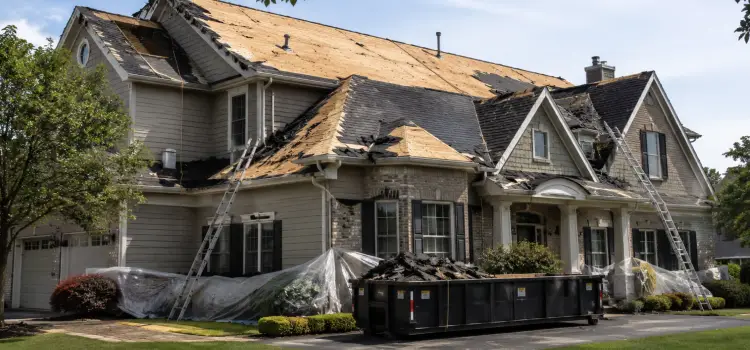
Slope has a direct impact on pricing. Steeper roofs usually require additional safety equipment and slower installation. This can increase labor even when the measured area is not especially large. A compact home with a steep roof can end up with a higher price per square foot than a larger home with a clean, open roofline.
Decking, ventilation, and flashing may also change the scope. Soft decking, poor attic airflow, worn chimney flashing, skylight leaks, and problem areas in valleys are not always fully clear until the old roofing comes off. Storm damage may require insurance documentation, especially after hail or wind events.
Local requirements vary as well. A project in Wheaton, Glen Ellyn, Naperville, Hinsdale, Chicago, or another nearby community may involve different permit expectations, inspection steps, code requirements, or documentation.
A dependable estimate should also account for gutters, siding, fascia, and windows. Gutters help move water away from roof edges. Damaged fascia may affect gutter installation. Window or wall flashing sometimes looks like a roof leak, while siding issues may contribute to moisture problems around the home.
A roof estimate should look beyond the shingles and check whether gutters, fascia, siding, or window flashing are contributing to the issue.
Roof Repair vs. Replacement: When Is Full Replacement Worth It?
Roof repair vs. replacement usually comes down to age, condition, leak history, and how widespread the problem is. A repair may be enough when the issue is small and easy to isolate. A few missing shingles, minor flashing damage, one limited leak, or localized storm damage on a relatively young roof may not justify a full replacement.
That changes when the same issue keeps coming back. Frequent repairs can become costly, especially when worn shingles, granule loss, soft decking, or repeated leaks point to a larger problem. If patching is needed every season, a new system may provide better long-term value than fixing the same weak areas again and again.
Replacing a roof in Illinois is a bigger upfront decision, but it can give homeowners more confidence in their home’s condition when the current system is near the end of its expected lifespan. Large areas of curling shingles, widespread hail impact, several leak points, or storm damage across multiple roof planes are all signs that a deeper inspection is needed.
A clear roof replacement estimate for an Illinois home should separate what can be repaired from what calls for full replacement.
| Situation | Repair May Make Sense | Full Replacement May Make Sense |
|---|---|---|
| Minor leak | Yes, if localized | No, unless leaks repeat |
| Missing shingles | Yes, if limited area | Yes, if damage is widespread |
| Curling shingles | Usually no | Yes, especially on older roofs |
| Soft decking | No | Usually yes |
| Storm damage | Yes, if limited to one area | Yes, if damage affects multiple roof planes |
| Older roof | Maybe as a short-term fix | Often better long-term |
This comparison can help homeowners understand the general direction, but it should not replace a roof inspection. Some roof problems look minor from the ground but become more serious once shingles, flashing, decking, or ventilation are checked closely. A small repair may be enough when the damage is limited, but repeated leaks, widespread shingle wear, or soft decking can make full replacement the more practical long-term choice.
How to Get a More Accurate Roof Replacement Estimate in Illinois
Online pricing can help with early planning, but it cannot give a precise answer for a specific home. The average cost of replacing a roof in Illinois depends on the actual structure, materials, labor, access, ventilation, flashing, code requirements, and hidden damage.
Before requesting an estimate, homeowners can gather a few helpful details:
- Approximate roof age
- Past repairs or warranty information
- Leak history, including attic or ceiling stains
- Recent hail, wind, or storm damage
- Insurance claim status
- Preferred material type, such as asphalt, metal, cedar, or slate
- Budget range or financing needs
- Questions about permits, cleanup, ventilation, warranties, and timing
A professional inspection should also account for related exterior components. Gutters help move water away from roof edges and fascia. Damaged siding or window flashing can sometimes be confused with a roof leak. Ventilation can affect heat, moisture, and shingle performance over time.
At Boxer Exteriors, we serve Wheaton, Glen Ellyn, Naperville, Winfield, Hinsdale, Geneva, St. Charles, and other Chicago suburbs, where roof styles, local requirements, and project conditions can vary from one home to the next.
We are licensed to handle residential and commercial roofing and exterior work, BBB-accredited since 2023, and certified by Owens Corning. We offer free inspections, flexible financing, and a 10-year workmanship warranty on full roof replacements. Homeowners can also read our more than 100 Google reviews to see how customers describe our communication, insurance support, cleanup, and quality of work.
For homeowners who want a clearer number than an online square-foot estimate, we can inspect the roof, review material options, check related exterior systems, and provide a detailed roof replacement estimate.
Frequently Asked Questions
Which roofing material affects price the most?
Material choice can significantly affect the cost of a new roof. Asphalt shingles are usually one of the most affordable options for Illinois homes. Metal roofing costs more upfront but may offer long-term durability, clean water shedding, and energy-efficiency benefits, depending on the system. Cedar shake and slate usually sit in higher price ranges because they involve specialized installation, extra upkeep, or structural review.
Why can shingle roof costs vary between similar homes?
Shingle roof costs can vary between similar homes because visible size does not tell the whole story. One property may have a clean layout and moderate slope, while another includes valleys, chimney flashing, skylights, or multiple elevations. Old layers can add labor, disposal, and cleanup time. A skilled roofing contractor should check access, decking, ventilation, and flashing before giving a dependable estimate.
How much does roof replacement cost in Chicago and nearby suburbs?
Roof replacement cost in Chicago and nearby suburbs depends on roof size, material choice, labor complexity, local code requirements, permits, and the condition of the existing roof system. Communities such as Wheaton, Naperville, Glen Ellyn, and Hinsdale may also have different inspection steps or documentation needs. A professional inspection gives homeowners a clearer estimate, especially when storm damage, soft decking, poor ventilation, or worn flashing may affect the final cost.
What are the main factors that influence roof cost before replacement?
The main factors that influence roof cost include material, labor, slope, tear-off, access, decking condition, ventilation, flashing, and local requirements. Related exterior systems can also affect the scope. Gutters, fascia, siding, and window flashing sometimes contribute to moisture problems that look like roofing issues. Before installing a new roof, homeowners should prepare details about age, leaks, storm damage, insurance status, preferred materials, and budget range.
How much does a roof replacement depend on square footage?
When homeowners compare costs by square footage, the answer starts with the measured roof area, not the size of the home. A 2,000-square-foot house does not automatically have 2,000 square feet of roof area above it. Slope, overhangs, garages, porches, and additions all change the calculation. Contractors often measure in roofing squares, where one roofing square equals 100 square feet of roof area. That helps estimate materials, labor, and installation costs more accurately.