By: Boxer Exteriors • Apr 23, 2026 • 10 min. read
Roof replacement in Illinois can feel overwhelming. This guide explains each stage, from inspection to cleanup, so homeowners know what to expect before work begins.
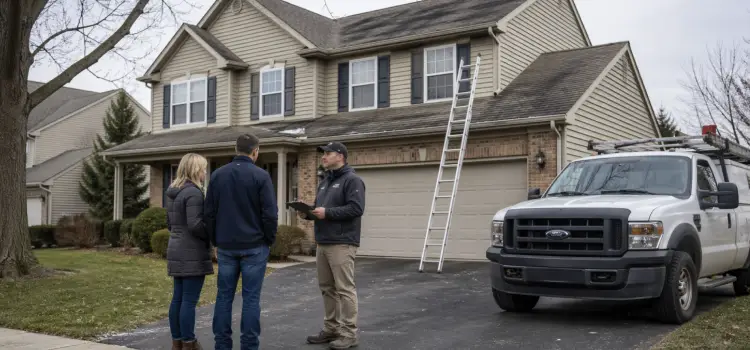
Table of Contents
- 1. Step 1: Inspection, Quote, and Project Preparation
- 2. Step 2: The Roof Tear-Off and What Homeowners Will Notice
- 3. Step 3: Installing the New Roofing System
- 4. Step 4: Cleanup, Final Inspection, and the Walk-Through
- 5. What Can Affect the Timeline and Cost of a Roof Replacement in Illinois?
- 6. Understanding the Roof Replacement Process
- 7. Frequently Asked Questions
A roof replacement can feel disruptive at first. For Illinois homeowners dealing with aging shingles, storm damage, or a leak that keeps coming back, the idea of crews, noise, and debris can feel overwhelming. That is especially true in a region where roofs face real seasonal stress. Chicago averages about 38.4 inches of snow each year and more than 121 days with lows at or below 32°F, so freeze-thaw cycles are a normal part of roof aging in many Illinois homes.
For that reason, it helps to understand the roof replacement process before work begins. When homeowners know what to expect before the first delivery, during the loudest parts of the job, and after the crew leaves, the project feels more organized and far less uncertain. A clear plan also makes the roof replacement timeline easier to follow. Working with a licensed local roofing contractor helps keep the project safer, more predictable, and easier to manage from start to finish.
Step 1: Inspection, Quote, and Project Preparation
Most jobs begin with a thorough roof inspection and a detailed roofing quote. At this stage, a contractor looks beyond the obvious. Missing shingles, soft decking, active leaks, storm damage, flashing issues, and poor ventilation can all point to a bigger issue. Homeowners can also request a roofing quote online to get an early starting point before the full inspection confirms the final scope of work. In some cases, the inspection shows that a repair is still possible. In others, it confirms that replacement is the stronger long-term choice.
This stage gives homeowners a clearer picture of the roof’s condition, the scope of work, and what the project may require. It also helps set expectations for timing, access, and cost.
Illinois homeowners should also account for local roofing permits, material lead times, and shifting weather conditions. Permits are handled locally, and requirements vary by municipality. Wheaton, for example, requires permits for roofing work. A licensed contractor familiar with the area will already know what applies and how to manage it.
To prepare for roof replacement, homeowners should move vehicles out of the driveway, protect fragile attic items, and clear outdoor access around the house. Homeowners should also expect vibration and steady noise during parts of the day. A dependable contractor will explain those details ahead of time, which makes the project feel much more manageable.
Step 2: The Roof Tear-Off and What Homeowners Will Notice
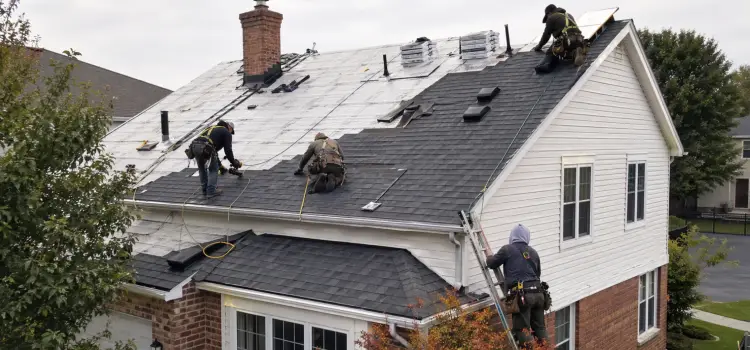
The first major on-site phase of the job is the roof tear-off. This is the removal of old roofing, including worn shingles, underlayment, flashing, and other damaged material that can no longer protect the home the way it should. For most homeowners, this is also the loudest and messiest part of the roof replacement stages.
During this step, the crew strips the old roof down to the deck so the contractor can see what is happening underneath. That is important. A roof can look only mildly worn from the ground, then reveal soft spots, trapped moisture, or storm-related damage once the surface is removed. In northern Illinois, that is not unusual. Recent storms have brought hail up to 3 inches in diameter and wind gusts near 80 mph, with Batavia seeing tennis-ball-sized hail and 80 to 85 mph winds in one 2025 event. Conditions like that can leave hidden damage behind, even when the top layer does not look disastrous at first.
Homeowners should expect pounding, scraping, foot traffic overhead, and debris moving into dumpsters throughout the day. It is busy, noisy work, but it should still feel controlled. A professional contractor protects landscaping, keeps access areas clear, manages cleanup as the job moves along, and works carefully around gutters, siding, and driveway.
If the crew finds damaged sheathing or weak spots, roof deck repair may need to happen before the next stage begins. That can affect the roofing project timeline and sometimes the overall roof replacement cost, especially when additional labor, new material, or higher disposal costs are involved. That can raise the cost unexpectedly, but it is also one of the most important reasons the tear-off is necessary. A solid replacement starts with a sound base.
Step 3: Installing the New Roofing System
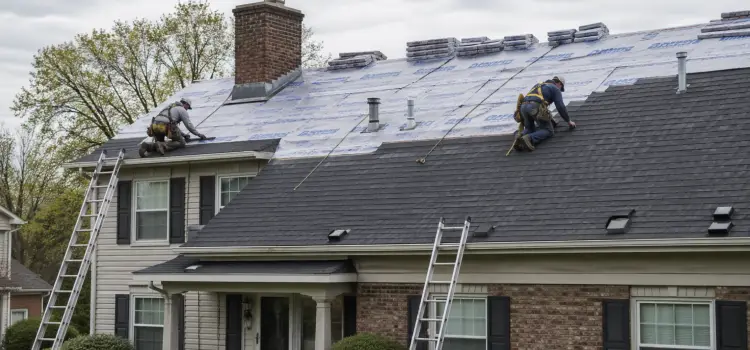
Once the deck is dry, secure, and ready, the crew can move into the roof installation process. From that point on, the project starts to look finished again, but this stage is about much more than appearance. A dependable new roof installation is built in layers, and each part plays a role in long-term protection.
The first step is usually roofing underlayment, which creates an added barrier between the deck and the outer surface. After that, the contractor installs flashing around chimneys, valleys, vents, and other openings where water can work its way in. Starter materials are placed at the eaves and edges, then the main roofing material is installed.
For many homes in Wheaton and the Chicago suburbs, that means an asphalt roof replacement or shingle roof replacement. Those are the most common residential systems, but the exact roof construction approach can vary by slope, design, and structure. A concrete tile roof replacement follows a different process than standard shingles, and spray foam roof replacement is usually tied to commercial roofing rather than a typical house.
This is also the stage where ventilation details come into play. A licensed contractor may adjust intake or exhaust vent components so the roof system can handle heat, moisture, and seasonal weather properly. That can affect roof durability, indoor comfort, and energy efficiency over time. Under the same conditions, a reflective roof surface can stay more than 50 degrees cooler, which shows how much roofing materials and proper installation can influence indoor comfort.
For homeowners, the key thing to expect is steady progress. Once the old roof is off and the deck is ready, the installation stage often feels smoother, cleaner, and less stressful than the tear-off stage.
Step 4: Cleanup, Final Inspection, and the Walk-Through
A professional roof job does not end when the last shingle is installed. The final stage should leave the property looking orderly again, not like the job was rushed at the end. That means a real cleanup process, with debris hauled away, loose material removed from the driveway and yard, and a magnet sweep used to pick up stray nails. Gutters, planting areas, and the space around entry points should also be checked so homeowners do not keep finding reminders of the job days later.
At that point, cleanup and final inspection go hand in hand. A careful roofing contractor should review flashing, vent details, finish quality, and the condition of the completed system before calling the project done. The goal is simple: make sure the roof looks clean, performs correctly, and feels dependable after the noise and disruption of the earlier replacement stages.
What Homeowners Should Ask During the Final Walk-Through
The final walk-through is one of the most valuable parts of the entire roof replacement. It gives the homeowner time to ask what was replaced, what maintenance issues are most common, and what to watch for over time. It is also the right moment to talk through the roof warranty in plain language. A good contractor should explain the warranty length, what is covered, what limitations or exclusions apply, and what the homeowner may need to do to qualify for future service. Those are the same core warranty points the FTC recommends reviewing before relying on any written coverage.
For homeowners in Wheaton and the Chicago suburbs, this last step can say a lot about the company behind the work. This is when Boxer Exteriors’ warranty coverage, cleanup standards, and communication practices become especially important, because details and follow-through matter most near the end of the project.
What Can Affect the Timeline and Cost of a Roof Replacement in Illinois?
The roof replacement timeline is not the same for every house. A smaller, less complex home may move through the project quickly, while a larger roof with multiple valleys, steep slopes, flashing details, or access limits can take longer. In other words, roof size and complexity play a role. So do material type, deck condition, permit timing, and whether the crew uncovers hidden damage after the old surface comes off. A full roof replacement usually takes longer than a small repair because the contractor has to remove old layers, inspect the structure, and install each part of the new system correctly.
Illinois climate adds another variable. Chicago’s long-term normals show about 37.86 inches of precipitation, 38.4 inches of snowfall, and 37.8 thunder days each year, which helps explain why weather conditions can shift scheduling, dry-in timing, and material handling even when the crew is ready to work. Sudden rain, wind, or freezing temperatures can change the pace of a roofing project fast.
The roof replacement cost can move for many of the same reasons. New roof cost depends on labor, chosen roofing material, tear-off needs, ventilation upgrades, and disposal costs. If the contractor finds damaged decking or moisture below the surface, the price may increase because that base has to be corrected before the next layer is installed. That added work can affect both cost and timing, but it also protects the long-term performance of the roof.
Some homeowners first contact a contractor after hail, wind damage, or an active leak. In those cases, a replacement may grow out of a roof inspection rather than an initial plan for major work. The key is not to avoid every surprise. It is to work with a dependable contractor who sets expectations early, explains changes clearly, and keeps the project moving with as little confusion as possible.
Understanding the Roof Replacement Process
A roof replacement does not have to feel chaotic when homeowners understand the stages ahead of time. In most cases, the process is steady and clear: inspection, tear-off, installation, cleanup, and final review. Once that sequence is easier to picture, the roof replacement process feels much more manageable.
Homeowners in Wheaton and the surrounding Chicago suburbs usually benefit from working with a licensed local contractor who provides inspections, clear communication, and dependable warranties. That kind of guidance makes the roof replacement timeline easier to follow and the overall experience far less stressful.
Roof Replacement Stages: What Illinois Homeowners Can Expect
For most Illinois homes, a roof replacement follows a clear sequence: inspection, tear-off, installation, cleanup, and final review. Knowing what happens at each stage makes the project much easier to manage.
| Roof Replacement Stage | What Happens | What Homeowners Should Expect |
|---|---|---|
| Inspection, Quote, and Preparation | The contractor inspects the roof, identifies visible and hidden issues, and prepares the scope of work and estimate | Discussion of roof condition, project scope, noise, access, permits, and prep steps like moving vehicles and protecting attic items |
| Tear-Off | Old shingles, underlayment, flashing, and damaged materials are removed down to the deck | Loud noise, pounding, scraping, foot traffic overhead, dumpsters, and visible debris control |
| Deck Repair and System Prep | The exposed deck is checked and repaired if needed before new materials go on | Short delay if weak spots or damaged sheathing are found, but a stronger foundation for the new roof |
| Installation of the New Roofing System | Underlayment, flashing, starter materials, shingles or other roofing materials, and ventilation components are installed | Steady visible progress, less chaos than tear-off, and a roof that starts to look finished again |
| Cleanup and Final Inspection | Debris is removed, nails are collected, gutters and surrounding areas are checked, and the completed roof is reviewed | A cleaner property, final workmanship review, and confirmation that the system looks and performs as expected |
| Final Walk-Through | The contractor explains what was replaced, reviews the warranty, and answers homeowner questions | A chance to ask about maintenance, warranty coverage, exclusions, and long-term care |
Frequently Asked Questions
What should homeowners know before replacing a roof?
Before replacing a roof, homeowners should understand the basic roofing process, the remaining lifespan of the system, and the overall condition of the home’s roof. A recurring leak, missing shingles, or storm damage may force a decision to repair or replace. In many cases, a contractor can explain whether the system still has useful life left or whether replacement is really necessary for long-term protection and peace of mind.
Why does understanding the roof replacement process make the job easier?
Understanding the process helps homeowners feel more prepared before work begins. It sets expectations for deliveries, noise, cleanup, and timing. During tear-off, families should expect a dumpster, steady foot traffic overhead, and debris being removed by the crew. Knowing those steps in advance makes the experience feel better organized and less stressful, especially when the project includes removing the old roof before the new system can be installed.
How can homeowners tell they need a new roof?
Homeowners often need a new roof when repairs stop solving the same problems. Curling or missing shingles, interior leaks, repeated storm damage, and visible wear can all point to bigger issues. An aging asphalt shingle system may simply be near the end of its useful life, while homes with metal roofing may show different problem areas. Once the surface and structure are both compromised, the roof may need replacement rather than another patch.
What are the main signs you need a new roof instead of another repair?
The clearest signs you need a new system usually come from a close evaluation, not just a view from the yard. A professional roofing contractor should perform an inspection to identify the real problem, including inspecting the roof deck for soft spots or trapped moisture. That makes a difference because a roof can fail below the surface even when the top layer looks only moderately worn. Local requirements and building codes can also affect whether repair is still a practical option.
How does the roofing material affect performance and comfort?
The chosen roofing material affects durability, ventilation, appearance, and indoor comfort. Different roofing materials can respond differently to heat, snow, and heavy storms. Some homeowners compare standard shingles with higher-end roofing products based on budget and long-term goals. Vent details also play a role. Properly placed ridge vents help airflow, while flashing and metal drip edge details help prevent water from getting in around vulnerable edges and transitions.
What should homeowners look for in a roofing contractor?
A strong roofing contractor should offer clear communication, local knowledge, and a dependable plan from inspection through closeout. Homeowners should look for a trusted roofing company with a solid reputation, documented workmanship coverage, and experienced roofing professionals who explain the schedule and scope without confusion. The right partner coordinates the roofing team, protects the property, and keeps the work organized. Those habits often make the difference between a stressful disruption and a successful roof replacement.
What happens when the old roof is removed?
Once the old roof is stripped, the contractor can see what is going on beneath the surface. This stage exposes damaged sheathing, trapped moisture, and loose roofing nails that were hidden by surface layers. It also removes worn underlayment, flashing, and other old roofing materials that can no longer protect the home. That matters because the exposed deck becomes the foundation for the new roof. If the base is sound, the crew can move forward with installing new shingles and other protective components.
Why is underlayment so important?
Underlayment acts as a protective layer between the deck and the outer surface. It helps support the system before the crew installs shingles and fastens them in place. More importantly, it gives the assembly an added layer of defense against moisture intrusion if wind-driven rain or ice works past the outer surface. A contractor will also check the condition of the roof deck first, because even the best underlayment cannot perform well if the base underneath is weak or damaged.
What usually drives roof replacement costs?
Several things affect roof replacement costs, and the final number depends on more than square footage alone. Labor, tear-off work, disposal, permit requirements, and the roofing materials used all affect the budget. The scope can also change if hidden damage is uncovered during the job. If there is rot, moisture, or ventilation trouble, the contractor may need extra repairs before moving ahead. The size and complexity of the roof replacement project also play a major role in timing, labor, and final price.
How does a roofer help keep the job running smoothly?
A good roofer keeps the project moving by coordinating labor, materials, safety, and communication from start to finish. That includes explaining what happens each day, managing cleanup, and making sure the property is left in good shape. The contractor should also schedule a final roof inspection so the homeowner can review workmanship, ask questions, and understand maintenance needs. When a skilled roofing team handles the details, the entire experience feels steadier, cleaner, and much easier to handle.



Tony and Judy Lavarda, Napervile, IL

The team worked efficiently, stayed responsive to phone calls, and were always professional, friendly, and positive. They came highly recommended and truly delivered. We continue to refer them to our friends and neighbors as well.


I highly recommend Boxer Exteriors


Great customer service. Dawn and her team went above and beyond. I highly recommend!!!!!💪🏻💪🏻