By: Boxer Exteriors • Apr 10, 2026 • 11 min. read
A roof drip edge is small metal flashing at eaves and rakes that guides runoff into gutters, protecting fascia and decking from Illinois rain and ice.
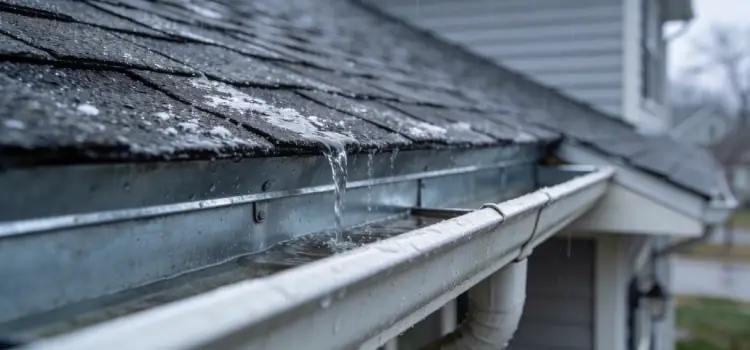
Table of Contents
- 1. What a Roof Drip Edge Is and How It Works
- 2. Why a Drip Edge Is Important for Illinois Homes
- 3. Common Types of Roof Drip Edge and Where Each One Works Best
- 4. Roof Drip Edge Installation, Replacement, and Code Basics
- 5. When to Schedule an Inspection or Repair for Drip Edge Problems
- 6. A Dependable Roof Edge Starts With the Right Details
- 7. Frequently Asked Questions
A roof drip edge is a small metal strip installed along the edge of the roof to help direct water away from vulnerable parts of the home. It’s easy to miss from the ground, but it plays an important role in roof protection. It helps protect the fascia, extends the life of other roof components, and adds another layer of protection where rain, melting snow, and ice tend to collect.
This is especially important in Wheaton and across the Chicago suburbs, where storm exposure, winter buildup, and steady moisture can wear down the outer edge of a home over time. When that edge is left exposed, water can slip behind trim, reach the fascia board, and begin causing hidden damage to the wood beneath it. A properly placed drip edge helps channel runoff away from the shingles, siding, soffit, and other vulnerable areas instead of letting moisture cling to the edge.
For homeowners planning a roof inspection, roof repair, or full roof replacement, this guide explains what this small metal detail does and why it matters.
What a Roof Drip Edge Is and How It Works
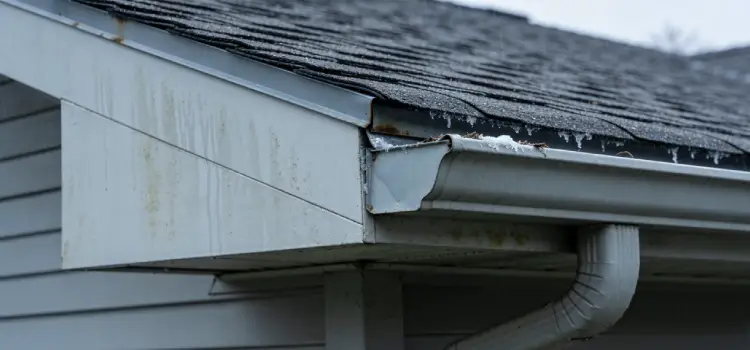
A drip edge is part of the larger roof flashing system. Its main purpose is to direct water off the shingles and away from the fascia board, the outer trim, and the wood structure beneath the roof edge. That simple change in water flow helps protect the underlayment, decking, and other roof components that can weaken when moisture becomes trapped.
In practical terms, a roof drip edge helps protect the roof deck and fascia, while also reducing the chance of moisture problems that can affect other parts of the home. When water drains off the roof edge properly, it’s less likely to run behind the gutter line, soak the trim, or seep into areas where it can cause leaks, rot, or mold problems later on.
Where a Drip Edge Sits on the Roof
This metal flashing is typically installed along the eaves and rakes, which are some of the most exposed parts of a roofline. At those points, the edge has to handle runoff, wind, and shifting temperatures. The goal is to move water downward and away before it can curl back under the shingle line.
A widely cited interpretation of the IBC and IRC codes explains that a code-compliant drip edge should extend at least 0.25 inch below the sheathing and reach at least 2 inches back over the roof deck, with fasteners spaced 12 inches apart or less. That layout helps prevent capillary action, which is important because water can otherwise wrap back under the edge instead of draining cleanly away.
Why the Roof Edge is One of the Most Vulnerable Spots
The outer edge of the roof is where water, gravity, wind, and exposed materials all meet. It is a small area, but it protects a lot. When the drip edge is missing, loose, or poorly fitted, the risk of fascia damage, wood rot, staining, and hidden moisture problems rises quickly. That’s why this small flashing detail matters so much for long-term exterior protection.
Why a Drip Edge Is Important for Illinois Homes
In Illinois, a drip edge does more than simply give the roof edge a finished look. It helps a home handle the weather conditions that return year after year across Wheaton and the wider Chicago area. Wind-driven rain, snow buildup, freeze-thaw cycles, and ice all put stress on the roof’s outer edge. Over time, that repeated exposure can wear down materials faster than most homeowners expect.
This is especially relevant in a region where long-term National Weather Service records show heavy annual precipitation and snowy winters, including multiple seasons with more than 70 inches of snow. That pattern means the roof edge often has to handle repeated wetting, refreezing, runoff, and fluctuating moisture levels all at once. A properly installed roof drip edge helps direct water away from the house before that moisture can curl back under the shingle line or soak the trim.
Rain, Snow, and Ice at the Roof Edge
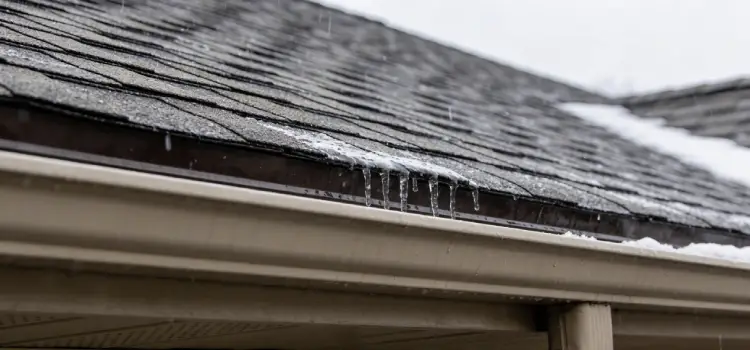
On many Illinois homes, the drip edge on an asphalt shingle roof plays a quiet but important role during storms and winter weather. When rain hits hard or snow begins to melt, the outer edge of the roof is one of the first places where runoff has to move cleanly and quickly. If that edge is poorly protected, water may slip behind the gutter, reach the fascia board, or seep into the wood around the eaves.
This is also one reason why ice dam prevention becomes more important. A drip edge does not solve every ice dam issue on its own, but it helps improve how water drains off the roof edge. It also helps protect the underlayment and roof deck while reducing the chance of repeated moisture exposure along the home’s outer edge.
How Drip Edge Helps Prevent Long-Term Exterior Damage
The benefits add up over time because a properly installed drip edge helps prevent water damage, protect the fascia, and reduce the risk of rot in areas that often stay out of sight until damage becomes obvious. ItIt can also help reduce the risk of mold by limiting damp conditions near the fascia, soffit, and outer decking. In some cases, it may even help discourage pests, since damaged or softened wood near the edge can become an easy entry point for insects.
For homeowners, the warning signs are usually practical ones: peeling fascia paint, stained trim, soft wood, warped trim, or moisture marks that keep returning after storms. A properly installed drip edge helps the roofline look neat and well maintained. It can also extend the life of the roof by protecting several parts of the roof system at once.
Common Types of Roof Drip Edge and Where Each One Works Best
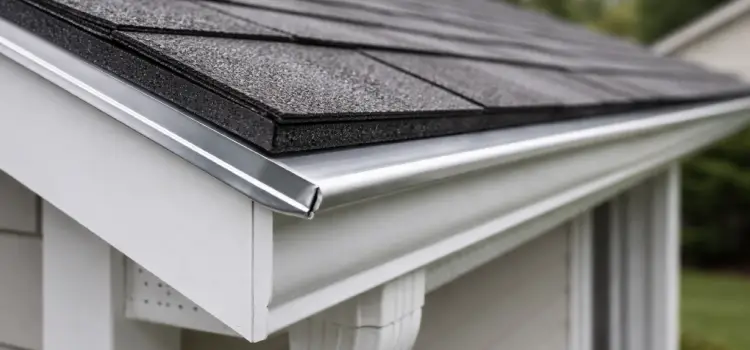
There are several types of roof drip edge, and the right profile depends on the roof design, the condition of the roof edge, and how the installer wants water to drain away from the home. To most homeowners, these pieces may all look similar from the ground. Up close, though, the shape of the metal makes a difference in how well the drip edge fits, stays in place, and directs water.
| Drip Edge Type | Basic Shape | Best Use |
|---|---|---|
| Type C | Simple L-shape | Basic roof edge applications where straightforward runoff control is enough |
| Type D | T-shaped with a kick-out | Better for directing water farther away from fascia |
| Type F | Extended flange profile | Useful for reroof projects or when covering an existing edge |
| Hemmed drip edge | Folded lower lip | Added stiffness and a cleaner finished appearance |
A Type C drip edge has a simple, straight L-shaped profile and is often used where a basic, straightforward edge detail is enough.
A Type D drip edge has a more pronounced kick at the lower leg. Many contractors prefer this profile because it directs water farther away from the fascia. It’s one of the most practical options for homes that need stronger runoff protection.
A Type F drip edge is often used on reroof projects or where the installer needs the metal to cover or extend over an existing roof edge. It can be especially helpful when the roof’s outer edge needs a little more coverage.
Homeowners may also hear simpler shape names such as L‑shaped, J‑shaped, or hemmed drip edges. A hemmed profile has a folded lower lip that adds stiffness and gives the metal a cleaner, more finished look along the edge.
Aluminum, Steel, and Copper: Which Material Makes Sense?
Material also makes a difference. Aluminum drip edge is common because it’s lightweight, affordable, and easy to install. Galvanized and other steel drip edges are valued for their strength and durability. Copper drip edge is less common on standard residential projects, but it can be a strong fit for certain high-end homes and historic styles.
Fiberglass drip edge is sometimes used in specialty applications, though it’s far less common than metal. In Midwest weather, a corrosion-resistant drip edge is often the best choice for many homeowners because it can handle rain, snow, ice, and seasonal expansion without breaking down early.
The best profile isn’t always the fanciest. It’s the one that fits the roof edge, works with the shingles and underlayment, and protects the fascia, decking, and outer structure for the long run.
Roof Drip Edge Installation, Replacement, and Code Basics
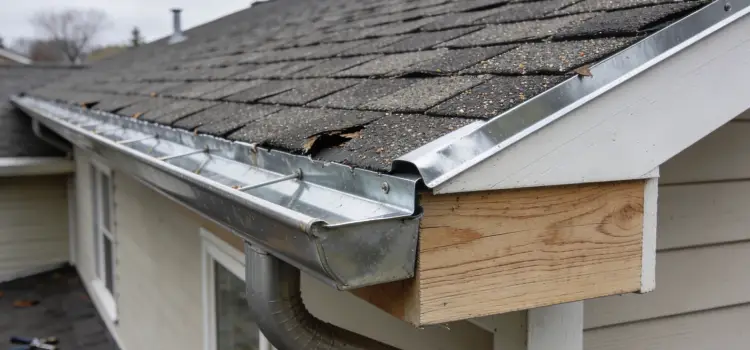
Proper roof drip edge installation isn’t just about a clean finish. It affects how water drains at the roof edge, how well the shingles shed runoff, and how much moisture reaches the fascia board, decking, and trim below. On most asphalt shingle roofs, drip edge is installed along the eaves and rakes.
Drip edge code requirements exist for good reason. They help the roof shed water the way it is meant to, not just give the edge a cleaner look. On most asphalt shingle roofs, drip edge is installed along the eaves and gables. The metal should typically overlap by at least 2 inches, extend at least 0.25 inch below the sheathing, run at least 2 inches back over the roof deck, and be fastened at intervals of 12 inches or less. Those details may seem small, but they help prevent water from curling back under the shingles, lower the chance of leaks, and give the roof deck better long-term protection.
Signs that a home may need drip edge replacement are usually visible once you know where to look. Rust, loose sections, bent metal, staining near the edge, soft wood, repeated leaks, or peeling fascia paint can all point to trouble. In many cases, problems at the roof edge become noticeable during major roof repairs or full roof replacements, often after storms.
When to Schedule an Inspection or Repair for Drip Edge Problems
Homeowners don’t need to diagnose drip edge problems on their own. A professional roof inspection can show whether the problem is isolated edge damage or part of a wider issue involving shingles, gutters, fascia, or the deck beneath the surface. It’s worth checking because a small problem with the metal edge can sometimes hide more serious moisture damage underneath.
The warning signs are usually fairly easy to spot: staining on soffit or siding, loose gutter lines, soft trim, warped fascia board, or visible storm damage from wind or hail. Ice can also become a problem. One national claims study found that ice dam losses average about $8,000 in interior damage alone, not including exterior repairs to decking, fascia, or finishes. That makes early inspection a sensible step, not an overreaction.
For homeowners across Wheaton, Glen Ellyn, Naperville, Hinsdale, St. Charles, Downers Grove, and nearby suburbs, Boxer Exteriors offers residential roofing, maintenance, repairs, full roof replacements, and emergency service. As a licensed local contractor, the company also offers storm restoration experience, free inspections, Owens Corning certification, BBB accreditation, flexible financing, and strong workmanship warranties.
A Dependable Roof Edge Starts With the Right Details
A drip edge is one of the simplest and most important parts of a roof’s edge flashing system. It improves water drainage, helps protect the fascia, and helps reduce the risk of leaks over time at one of the most exposed parts of the home.
In a region like Chicagoland, where rain, snow, and freeze–thaw cycles constantly test the roof’s outer edge, a well-installed roof drip edge is a practical preventive detail. If homeowners in Wheaton or the Chicago suburbs notice edge damage, moisture stains, or storm-related wear, scheduling a professional inspection is a smart next step.
Frequently Asked Questions
What is the purpose of a roof drip edge?
A roof drip edge helps control runoff at the most exposed part of the roofline. Its main purpose is to move water off the edge before it can soak the fascia, soffit, or decking. This metal flashing sits along the roof edge to help direct water away from vulnerable wood. Put simply, a drip edge helps direct runoff, but its value goes beyond that.
When should you install a drip edge on a roof?
The best time to install a drip edge is during a roof replacement or new roof installation, when the edge is fully exposed and easier to detail correctly. Proper installation usually includes correct overlap, precise alignment at eaves and rakes, and secure fastening. Homeowners planning to add or replace the drip edge during a larger roofing project can review roof replacement pricing to get a clearer starting point before deciding whether to handle the edge detail, shingles, and related repairs together. Most crews use roofing nails because they hold securely and help keep the drip edge in place through wind and seasonal movement. When installers use roofing nails correctly, the edge is less likely to loosen or let water slip behind it later.
What are the main types of drip edge used on homes?
The most common types of drip edge include Type C, Type D, and Type F, along with simpler names such as L-shaped and J-shaped profiles. The right choice depends on roof design, runoff needs, and edge condition. At the rake edge, wind exposure is often a bigger factor, so fit becomes especially important. A well-installed rake edge helps water run off cleanly, and that exposed section often needs to be stiffer and more securely fastened than most homeowners expect.
How does a gutter work with drip edge at the roofline?
A gutter and drip edge should work as a system. When aligned properly, the metal helps send water away from the roof and into the gutter instead of letting it slide behind the fascia. That keeps runoff moving away from the roof edge where moisture tends to collect. When installed properly, this simple detail can protect the roof, reduce staining and wood damage, and even extend the life of the roof by limiting repeat exposure to rain, snowmelt, and freeze-thaw moisture at the roofline.
When should you call a roofing contractor about drip edge damage?
Call a roofing contractor when you notice rust, bent metal, peeling fascia paint, soffit stains, soft trim, or leaks that keep coming back after storms. Those signs often point to wear that’s more than just cosmetic damage. A skilled roofing contractor can tell whether the issue is limited to the edge or tied to shingles, decking, or gutters underneath. That kind of inspection is part of good roofing work because small edge failures often hide larger moisture problems that spread before they become obvious from the ground.
Can drip edge be added to an existing roof?
Yes, drip edge can often be added to an existing roof, especially during repair work or a partial reroof. The exact method depends on the roofing material, the condition of the lower shingle course, and how tightly the roof shingles are sealed. In many cases, installers can lift the edge of the shingles and slide in the metal flashing without removing the whole system. Because drip edge is an important part of the roofing system, it’s worth addressing even when the rest of the roof still has service life left.
Is it possible to add drip edge on an existing roof without replacing everything?
In many cases, yes. Adding drip edge on an existing roof can be done without a full tear-off, but it depends on shingle condition, access, and whether hidden moisture damage is already present. Homes that have gone years without a drip edge may have soft fascia or worn decking beneath the edge. In that situation, a contractor may recommend a new drip edge only along trouble spots, or a larger repair if the water has already reached the wood beneath the outer roofline.
Why is proper roofing work at the roof edge so important?
The roof edge takes constant abuse from rain, snow, ice, and wind, making proper installation there more important than many homeowners realize. Good results depend on the right material, accurate placement, and proper fastening that meets code. In Midwest weather, a corrosion-resistant drip edge is often the better choice because it holds up better through moisture and temperature swings. Just as important, roof drip edge code requirements define overlap, extension, and fastening spacing so runoff sheds properly instead of curling back under the shingles.
How can you tell when a drip edge needs replacement?
A drip edge needs replacement when you see loose metal, rust, staining, soft wood, repeated leaks, or peeling paint near the fascia. Sometimes only one section is damaged, but even that can be enough to let moisture move behind the trim. In other cases, the problem affects a larger area and shows up across multiple edge lines. Because one damaged section can hide broader moisture issues, an inspection is the best way to confirm whether repair or full replacement makes more sense.
Why do roof drip edge code rules matter so much?
Code rules matter because drip edge is not just a finish detail. It is one part of the roofing system that has to perform under real weather stress, not just look clean from the street. When sized and fastened correctly, it supports drainage, helps preserve curb appeal, and reduces the risk of edge rot and staining over time. In practical terms, drip edge matters because the roof edge can fail faster when this small detail is missing or installed improperly.



Tony and Judy Lavarda, Napervile, IL

The team worked efficiently, stayed responsive to phone calls, and were always professional, friendly, and positive. They came highly recommended and truly delivered. We continue to refer them to our friends and neighbors as well.


I highly recommend Boxer Exteriors


Great customer service. Dawn and her team went above and beyond. I highly recommend!!!!!💪🏻💪🏻