By: Boxer Exteriors • Mar 7, 2026 • 10 min. read
Learn what a dormer roof is, how it adds light and usable space, and why proper design, flashing, and fit matter for Illinois homes.
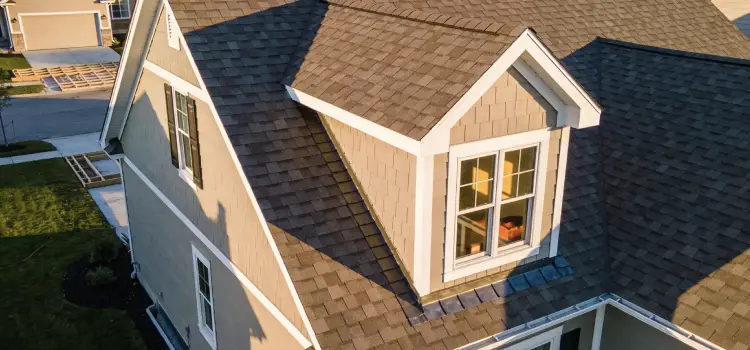
Table of Contents
- 1. Why Homeowners Add Dormers
- 2. What Dormers Do to the Outside
- 3. Dormer Types Homeowners Actually See
- 4. Shape and Detailing: The Small Features That Change Cost and Performance
- 5. Structure and Planning: What Must Be Decided Before Anyone Cuts the Roof
- 6. Water-Tightness: The Junctions Are the Job
- 7. Frequently Asked Questions
So, what is a dormer roof? The simplest answer is this: a dormer is a roofed structure that projects out from a pitched roof. It rises vertically from the slope, then carries its own small roof over the top. That projection usually includes a window on the face. In plain homeowner language, it is a bump-out with a window that extends from the roof.
That is the basic dormer definition. The dormer roof meaning is not the whole main roof of the home. It is the smaller roof that caps the projection. The dormer window is usually the main feature people notice first, because it sits on the front wall of that structure and breaks through the roof plane in a very visible way.
Visually, a dormer projects vertically from a sloped roof. One easy way to picture it is this: sloping roof + vertical wall + window. That is the anatomy in one line. It is built into a slanted roof to create a window opening where there was once only roofing material and angled ceiling space.
In most cases, a dormer includes at least one window. That is the rule homeowners should remember. A decorative version, often called a blind or false dormer, can exist without adding real interior function, but the common working version usually contains a window and usable interior benefit. That distinction matters because many people use the term to describe both the exterior roof feature and the practical interior advantage that comes with it.
Why Homeowners Add Dormers
Most homeowners do not choose a dormer just because it looks nice. They add it because it changes what the upper floor can do. A well-placed dormer can increase usable loft space, improve headroom, expand square footage, and turn an awkward upper level into something that feels solid, bright, and comfortable.
This is especially true in an attic conversion that includes a dormer. Sloped ceilings can crowd a room fast. A dormer opens up height where the roof once pushed inward, which can make an attic feel less like storage and closer to real living space. That is often what turns a space from “maybe someday” into a finished room that actually works.
Common uses are practical:
- a home office
- a reading nook
- a playroom
- an extra bedroom
- an upper-floor bathroom
A dormer also brings in something many older Illinois homes need more of: natural light and ventilation. That new window opening can pull daylight into a dark upper floor and help improve attic airflow and ventilation during hot summer months. In many Illinois homes, that added air movement helps reduce stuffy heat buildup in finished or partially finished attic areas.
There can be an efficiency benefit too, though it should be framed realistically. Better daylight, better airflow, and increased usable space can support comfort and reduce strain on heating and cooling, especially when the project also includes insulation and air sealing. In short, a dormer is not just a design feature. It is often a practical way to create extra room, introduce natural light, and make the top floor function better.
What Dormers Do to the Outside
A dormer is practical, but it is never only practical. On the outside, a well-designed one can change the entire character of a house. It adds shape, shadow, depth, and a clear focal point. Put simply, this architectural feature can make a home look more finished and intentional.
That is a big reason homeowners think about dormer curb appeal along with function. A long uninterrupted roof can feel flat or a little heavy, especially on older gable designs. A dormer can break up a plain roofline and give the upper story more rhythm. That is especially true in Illinois, where many homes have broad front-facing roof planes that benefit from added dimension.
Fit is important, though. The best dormer is not just “more.” It is a dormer that matches the scale, roof pitch, and architectural style of the home. A small cottage, a Colonial, and a Craftsman bungalow do not call for the same design. When the proportions are right, the added window and roof form look like they always belonged there.
Dormers also change views and the way a room feels in ways homeowners notice every day. A larger dormer window can frame trees, streets, or backyard views. A corner dormer or a longer shed design can bring in light from multiple directions. Inside, that often creates a comfortable top floor with stronger natural light, interesting ceiling lines, and a tucked-in, nest-like feel that still feels open.
Dormer Types Homeowners Actually See
Most homeowners do not need a long list of technical terms. They just need to recognize the main type of dormer they are seeing and understand what each one is good at.
The most common form is the gable-fronted dormer (gabled dormer). This classic style has a triangular front, a peaked roof, and a front window. It works well on traditional homes and is one of the easiest styles for homeowners to recognize.
A hip roof dormer (hipped dormer) softens the look a bit. Its small roof slopes on multiple sides instead of ending in a sharp front gable. That can feel better blended and slightly weather-softened, which some homeowners prefer in windy Illinois conditions.
The shed dormer (extended shed dormer) is one of the most useful options for gaining real upper-floor room. It uses a single-slope roof and can stretch much wider than a small gabled version. This is often the best choice when the goal is to add headroom, increase square footage, or support an attic conversion.
Other common forms include:
- flat roof dormer, often seen in modern or simple remodels
- wall dormer, which rises from the wall line and can maximize height
- eyebrow dormer, a curved decorative form with a soft profile
- blind dormer (false dormer), which looks like a dormer but does not open usable attic space
- Nantucket dormer, which combines side dormers with a central shed section
There are also specialized forms, like inset dormers, barrel dormers, mansard-specific dormers, and corner dormers with windows on two sides. Those can be beautiful, but they usually make sense only when they truly fit the house and the roof plan.
Shape and Detailing: The Small Features That Change Cost and Performance
Dormer shape is not just a style choice. The geometry changes labor, waterproofing, and how much useful interior room the homeowner actually gets.
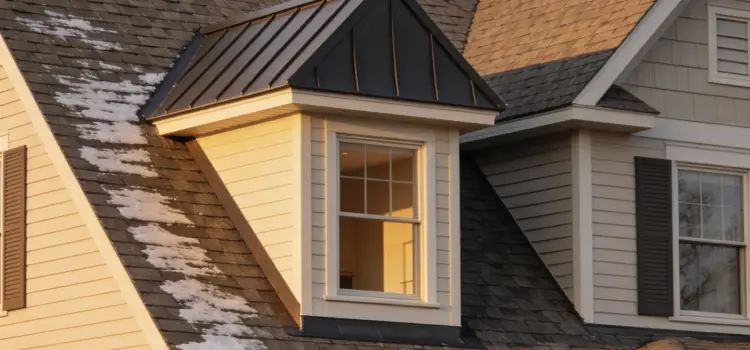
A gable dormer usually has two walls, a triangular face, and a small peaked roof that often matches the main house pitch. It is familiar, dependable, and easy to understand from the curb. A hip dormer has additional slopes and a softer outline, but that added shape can mean extra framing and roofing detail.
An eyebrow dormer is one of the most elegant forms. It has a curved roof with no obvious side walls, which gives it a graceful look. It can create a lot of visual charm, but it is usually more craft-heavy and less efficient for gaining usable space.
A shed dormer is often the best value when the homeowner wants more room inside. The single-slope roof keeps the shape simple and often creates straighter walls and higher ceilings. That makes it especially useful for a loft conversion dormer or a top-floor bedroom project.
Small details count too:
- flared gables can add charm, but also complexity
- corbels supporting an overhang create craftsmanship, but need upkeep
- larger windows bring more light, but they also affect balance and heat gain
- subtle proportions usually age better than oversized add-ons
In Illinois, those details also connect back to weather. A dormer is not just a pretty roof feature. It is a real roof structure, and every added angle, wall, and window changes how the assembly sheds rain, handles snow, and performs over time.
Structure and Planning: What Must Be Decided Before Anyone Cuts the Roof
A dormer can be a smart upgrade, but it is not a trim detail or a cosmetic weekend add-on. It changes framing, loads, layout, insulation, airflow, and the way the roof handles weather. Before anyone cuts into the main roof plane, the first step should be due diligence. That means consultation, measurements, structural review, and a clear plan for how the new dormer will tie into the existing house.
This is where homeowners move beyond what a dormer roof is and into what it takes to build one well. The big variables are fairly simple: existing roof design, dormer size, dormer shape, and the type of room the homeowner wants inside. A small dormer window used to bring in light is one thing. A larger attic conversion with a dormer that opens up headroom and increases square footage is a bigger construction project with additional framing, roofing, and risk if the details are wrong.
It is absolutely possible to build a dormer into an existing roof during a renovation or re-roofing project. In many Illinois homes, that is exactly how it happens. But this kind of retrofit depends on good sequencing and expert construction. Dormers punish sloppy carpentry and sloppy roofing. If the framing is off, the window opening can feel awkward. If the roof work is rushed, the dormer can become the weak point in an otherwise solid system.
For that reason, every dormer plan should end with the same mindset: it needs final inspection, disciplined workmanship, and warranty coverage that treats the dormer like a mini roof system, not just a decorative feature.
Water-Tightness: The Junctions Are the Job
This is the blunt truth about dormers: leak risk is highest at the transitions. A dormer may add charm, useful space, and natural light, but it also creates extra roof junctions. Those connections are where problems start if the installation is not precise.
A dormer has to join the main roof correctly on every side. That means the dormer-to-roof tie-ins, the small dormer roof planes, the sidewalls, the valley areas if they exist, and the perimeter around the window all have to work together. In Illinois, with snow, driven rain, and freeze-thaw cycles, those details are not optional.
Proper flashing to prevent water intrusion is the core of the job. Step flashing for dormers along sidewalls is especially important. Water needs a clean path down and away, not a chance to work behind siding, trim, or roofing material. A dormer sits over one of the most vulnerable openings in the roof system, and if those transitions fail, leaks where the dormer meets the main roof can stay hidden inside framing, insulation, and wall cavities long before stains appear.
That is one reason ice and water protection at dormer junctions is so important in this climate. In Illinois, dormer perimeters, eaves, and valley transitions need extra protection against backed-up meltwater and wind-driven moisture. A small dormer, a large shed form, a flat roof dormer, or even a decorative eyebrow dormer all depend on that same principle: the roof has to stay watertight before the design can mean anything.
This also affects dormer maintenance before and after storm season. Dormers should be checked for flashing movement, seal failures, and signs of water entry after major weather. A dormer can be a brilliant upgrade. But it needs to be built and maintained like a real roof system, because that is exactly what it is.
For homeowners in Illinois considering a new dormer, the smartest first step is a feasibility check that looks at structure, insulation, ventilation, and, most of all, flashing and ice and water detailing. Done right, a dormer adds real function and lasting beauty. Done casually, it can turn a good roof into a problem.
Frequently Asked Questions
Does a steep roof change what kind of dormer makes sense?
Yes, a steep roof can absolutely affect the right choice. A sharper angle changes framing, window height, and how the new addition ties into the main structure. On a steep slope, some forms feel more natural than others, especially when the projection needs to sit cleanly against the existing surface. That is why installing a dormer roof on a steep house takes careful planning. The shape of the dormer’s roof, the junction details, and the visual fit all need to respond to the original geometry.
Is an eyebrow dormer mostly decorative, or does it add useful space too?
An eyebrow dormer is usually chosen for charm rather than major floor-space gain. It’s a dormer with a curved roof, sometimes described as an arched form, and it gives a house a softer, custom look. Because the shape is low and curved, it does not usually deliver as much headroom as a larger projection. Still, this dormer allows extra daylight and visual interest. It can be beautiful, but it takes careful workmanship because curved framing and flashing are less forgiving.
What makes a gable dormer such a popular design?
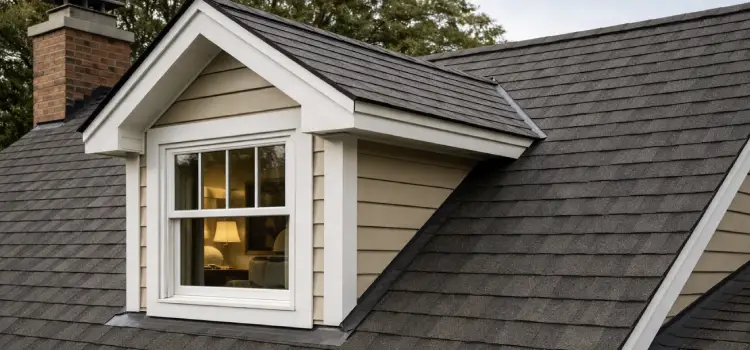
A gable dormer is the classic version many people picture first. It has a small front-facing gable roof, a vertical wall with a window, and a shape that fits many traditional homes. It is also known as a dog-house dormer because of its familiar peaked form. This dormer style works well when the new feature should match the existing roof style and preserve a clean roof line. It gives the exterior extra character without overwhelming the main mass of the house.
What structural and weather-related dormer needs should homeowners consider?
Dormer needs go beyond appearance. When you design a dormer, you must account for loads, insulation, ventilation, and how the dormer joins the main roof. Proper flashing, especially where the dormer meets the roof line, is essential. Some types of dormer roofs require a different roof covering depending on pitch and materials. A well-built dormer becomes a durable part of your roof, not a weak point.
When is a shed dormer the best option for an upper-floor remodel?
A shed dormer is usually the smartest choice when the goal is to gain real living space. It uses a single flat plane roof that extends in the same direction as the main roof, which helps open up the room below. This dormer type provides extra headroom and straighter interior walls than many other styles. That makes it especially useful for an attic conversion with dormer projects, guest rooms, offices, or bathrooms where the homeowner wants more usable square footage from part of your roof.


The team worked efficiently, stayed responsive to phone calls, and were always professional, friendly, and positive. They came highly recommended and truly delivered. We continue to refer them to our friends and neighbors as well.


I highly recommend Boxer Exteriors


Great customer service. Dawn and her team went above and beyond. I highly recommend!!!!!💪🏻💪🏻


The work to the house was handled over two days, one for the roof and another for the siding. No incidents and the end result was seamless. Really came together in the end and have gotten regular compliments on the final outcome.
Overall, couldn’t be happier with my decision to go with Boxer. Professional, trust-worthy, and just overall really good people!