By: Boxer Exteriors • Feb 19, 2026 • 11 min. read
A composition roof is the standard asphalt shingle system on most Illinois homes. Learn what it is, why insurers call it “composition,” and what drives performance.
Table of Contents
- 1. What Composition (Asphalt) Shingles Are Made Of: Layers That Do the Work
- 2. Main Shingle Types Homeowners Choose (All in the Asphalt “Composition” Family)
- 3. Three-tab shingles (3-tab shingles)
- 4. Architectural shingles (dimensional shingles / laminate shingles)
- 5. Luxury Asphalt Shingles (designer shingles)
- 6. Style and Curb Appeal: What a Composition Roof Can Look Like
- 7. Performance in Illinois: Wind, Snow, Ice, Sun, and Fire
- 8. Lifespan and Warranties: What People Can Expect
- 9. Schedule a Free Composition Roof Inspection
- 10. Frequently Asked Questions
If a homeowner asks what is a composition roof, here’s the plain answer: a composition roof is the most common U.S. sloped roof covering made from man-made material, usually asphalt-coated fiberglass shingles. To homeowners, the composition roof meaning is an asphalt shingle roof. For most buyers, composition roof vs asphalt shingles is just two names for one type of roof.
Why the confusion? The phrase “composition roofing definition” sounds broad, like it could be any composite material. In storm paperwork it becomes an insurance label. After hail, an adjuster may list “composition” as the roof surface, which is basically a composition roof insurance claim term for standard asphalt.
This composition roof type stays popular because layered material behaves predictably. When crews install material well and the owner follows maintenance, slate-type options look sharp longer.
What Composition (Asphalt) Shingles Are Made Of: Layers That Do the Work
A composition shingle is an engineered sandwich, not a single slab of material. Understanding the shingle layers helps a homeowner judge roof value, cost, and maintenance.
- Base: the fiberglass mat base layer is the backbone material. It gives each shingle strength and tear resistance, especially where wind tugs at a roof edge.
- Waterproofing body: an asphalt-saturated base plus a thick asphalt coating creates the water-shedding material. This asphalt body is why the roof resists rain when crews install it correctly.
- Surface armor: mineral granules on shingles, often called protective stone granules, shield the roof from sun and weather. Many brands use ceramic-coated granules for ceramic granules UV protection. Those granules also create style, including slate looks: a slate tone, a slate shadow line, and a slate texture that reads like natural slate from the street.
Homeowners remember it as fiberglass, tar, and granules: strength, waterproofing, and protection. What fails first is usually the armor. Granule loss on shingles exposes more asphalt, speeding heat and UV wear, leading to shingle cracking and aging. Once that starts, maintenance gets expensive fast: more patching cost, higher replacement cost, and a shorter roof life.
Bottom line: this type of composition material performs well when the crew knows how to install the full roof system and when the owner keeps up with maintenance.
Main Shingle Types Homeowners Choose (All in the Asphalt “Composition” Family)
The choice mostly comes down to type, look, wind performance, and cost, plus how the crew will install the full roof system.
Three-tab shingles (3-tab shingles)
Three-tab shingles (also called 3-tab shingles) are the straightforward, classic type. They have three cutouts and a flat, uniform pattern. The big benefit is lower upfront cost. This type can make sense on a tight budget or on smaller projects where the homeowner wants a simple roof replacement with predictable material behavior.
The drawback is performance per dollar. Because three-tab is thinner and lighter, it generally has less built-in heft, less shadow line, and often lower real-world wind durability than upgraded options. That matters in Illinois when storms find weak edges. A three-tab roof can still be reliable when crews install it correctly, but it usually demands more attention to edge details and ongoing maintenance to keep the material tight over time.
Architectural shingles (dimensional shingles / laminate shingles)
Architectural shingles, also called dimensional shingles or laminate shingles, are the common “sweet spot” for many composition roofs on Illinois homes. The idea is an extra laminated layer that creates thickness and a deeper shadow line. That added material changes the look and helps the roof resist wind uplift when the crew installs the system correctly.
Homeowners like this type because it balances curb appeal and cost. The roof gets a more premium appearance without jumping into luxury pricing. It’s also a practical match for standard decking and typical attic setups found across Wheaton and nearby suburbs. When Boxer Exteriors evaluates a roof, they look at ventilation, flashing, and underlayment choices first because even the best composition material will not perform if the system was not built to shed water and manage heat. That approach reduces surprise maintenance and controls long-term cost.
Luxury asphalt shingles (designer shingles)
Luxury asphalt shingles (often marketed as designer shingles) are the top type within the composition family. The buyer is paying for heft, design detail, and, in some product lines, better impact performance. These shingles can deliver a dramatic upgrade in roof appearance, and they can mimic more expensive materials convincingly. The trade-off is higher cost for material and labor, plus the need for a skilled crew to install details cleanly so the upgrade actually shows.
Style and Curb Appeal: What a Composition Roof Can Look Like
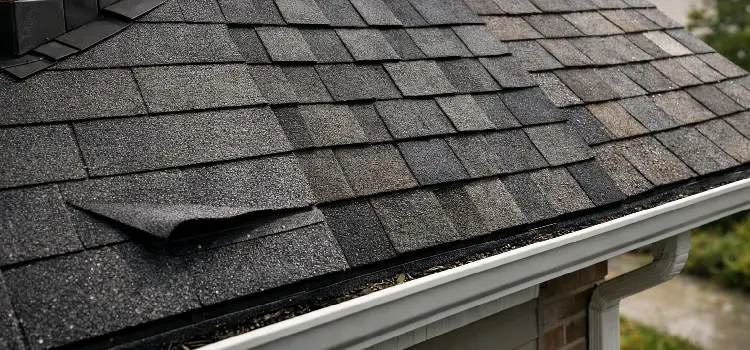
A composition roof isn’t “one look.” Today’s composition roof colors and styles are broad enough that homeowners can match a neighborhood and still stand out for the right reason. This is where the type choice becomes visible from the curb.
- 3-tab look: flat, consistent appearance. It reads clean and simple, but it doesn’t create much depth.
- Architectural look: a textured dimensional roof appearance with thicker, larger shingles. Homeowners notice the “random pattern” and the shadow lines that make the roof look richer.
Then come the mimic profiles, which are popular because they boost appeal without changing the structure or adding heavy framing.
- Shake-look shingles: a wood shake simulation that nods to a cedar style without the same upkeep burden. This type can add charm fast, especially on traditional homes.
- Slate look shingles: the slate look shingles category aims for that crisp, high end slate vibe, with slate color depth, slate shadow, and a slate inspired pattern. It’s a way to get a slate-style roof with a lighter system than real slate. (And yes, it can look sharp when crews install it with clean ridge and edge work).
- Clay tile look shingles: the clay tile look shingles option delivers a lighter-weight alternative to traditional tile aesthetics, again staying within a composition material system.
Value comes from fit. The right profile can lift a roof dramatically, keep costs reasonable, and avoid future maintenance headaches, especially when a contractor can install the full system with strong flashing, a starter strip, clean ridge detail, and proper ventilation. Boxer Exteriors, based in Wheaton, focuses on that full-system build, backed by long-term workmanship coverage, so the roof looks right and performs as it should.
Performance in Illinois: Wind, Snow, Ice, Sun, and Fire
In any Illinois composition roof guide, performance has to match real weather, not brochure talk. Illinois roof systems see temperature swings, freeze–thaw cycles, thunderstorms, hail pockets, and some years bring heavy, wet snow that sits on a roof for days. A composition asphalt shingle roof can handle those conditions, but only when the full roof system is built and the crew knows how to install each material component.
Wind without hype. Homeowners hear about an Illinois roof wind resistance rating and want one magic number. In the real world, wind is system performance. The shingle can be rated one way, but the roof fails based on fastening pattern, starter strip, edge details, ridge caps, and attic ventilation. A good contractor will install the starter course tight, lock down edges, and keep ridge work clean so the composition material behaves as designed. That matters on Illinois gusty days when a weak edge starts a chain reaction.
Snow, ice, and water control. The main enemy is water moving where it shouldn’t. A composition roof needs smart ice dam protection at the eaves and valleys, and it needs the right water intrusion resistance underlayment because underlayment is the last defense when wind-driven rain gets under a tab. This is where composition shingles layers matter. Under the granules, those asphalt-coated fiberglass shingles rely on a fiberglass mat base layer, an asphalt-saturated base, and a thick asphalt coating for water resistance. But even great material can’t save a roof if the crew doesn’t install the underlayment and flashing correctly.
Sun, aging, and biology. The sun does slow damage all year. Mineral granules on shingles and protective stone granules exist for UV defense, and many products use ceramic granules UV protection to reduce fading. When those granules wear off, granule loss on shingles exposes the underlying asphalt and speeds shingle cracking and aging. In humid stretches, algae and mold show up, and algae-resistant shingles (blue-green algae) help keep dark streaks from taking over, especially on north-facing slopes that stay damp longer.
Fire safety. A Class A fire rating shingles system matters in tight suburban neighborhoods. It’s a practical safety spec, not a gimmick, and it’s another reason the whole roof assembly and material choices matter.
Bottom line: for composition roof for Illinois homes, the proven path is a complete roof system that a skilled team can install, then protect with basic maintenance.
Lifespan and Warranties: What People Can Expect
Composition roof’s lifespan depends on product tier, attic conditions, workmanship, and maintenance. Common ranges (not guarantees) are: three-tab shingles around 15–25 years, architectural shingles (including dimensional shingles / laminate shingles) around 25–30 years, and luxury asphalt shingles / designer shingles around 25–50 years in the right conditions. The type matters, but so does how the crew will install the system and how the owner manages maintenance.
Four practical life-extenders:
- Proper installation and workmanship: correct nailing, clean flashing, and tight edges.
- Adequate attic ventilation: balanced airflow reduces heat and moisture stress on material.
- Regular roof maintenance: inspections once or twice a year, plus after major storms.
- Gutter cleaning and debris removal: wet debris holds moisture and shortens material life.
Warranty language is where homeowners get burned. A 25–30 year limited warranty often includes prorated coverage and exclusions. A “Lifetime Limited Warranty” usually means lifetime of the product line under defined conditions, not a blank check. Asphalt shingle warranty (limited vs lifetime) gets clearer when a homeowner separates the manufacturer warranty from the workmanship warranty. Both matter. Boxer Exteriors offers long-term workmanship coverage on full replacements (including a 10-year workmanship warranty), which can reduce disputes and stress when something needs attention.
Cost reality: the roof replacement cost in Illinois swings with type, tear-off, decking condition, and how complex it is to install flashing and ventilation. The cheapest bid can become the most expensive cost if the system is built wrong and maintenance turns into repair after repair.
Schedule a Free Composition Roof Inspection
For a composition roof in the Chicago suburbs, schedule a free inspection and estimate with Boxer Exteriors in Wheaton. Their team focuses on the full system, including decking, underlayment, flashing, and ventilation, so the roof is not just new material. It is built to perform in Illinois weather.
Frequently Asked Questions
What is a composition roof, and why do insurers use that label?
A composition roof is a common sloped-roof covering built from layered, manufactured components, most often asphalt-coated fiberglass. In paperwork, “composition” is often shorthand for that standard surface, especially after a storm. What matters most is the full system, not just the top layer. The same roofing material can perform very differently depending on underlayment, flashing, starter strips, ridge details, and ventilation. That’s why a composite roof is best judged as an assembly.
How do roof types compare within the composition family, and what should you pick?
Within the composition family, the biggest decision is which tier fits your goals and budget. Three-tab products lean simple and economical, architectural versions add thickness and depth, and designer lines focus on appearance and higher-end specs. The best fit depends on wind exposure, curb appeal expectations, and how long you plan to stay in the home. Ask your contractor to explain the types of composition shingles they recommend and why, based on your decking, ventilation, and neighborhood style.
What exactly is a shingle, and which layers matter most over time?
A shingle is a small, overlapping roof piece designed to shed water in courses, like scales. For composition products, the stack usually includes a fiberglass base for strength, an asphalt layer for waterproofing, and surface granules that protect against sunlight and abrasion. Pay close attention to the outer “armor,” because granule loss speeds wear and cracking. Look for clear product specs that explain materials like fiberglass mat, asphalt coating, and granule technology, not just marketing claims.
What makes an asphalt shingle the default choice in many Illinois neighborhoods?
An asphalt shingle roof is popular because it balances cost, availability, and predictable performance when installed as a full system. It works well with typical decking and attic layouts, and it comes in many styles that suit suburban homes. The real separator is workmanship: edge detailing, starter strips, flashing, and ventilation determine whether tabs stay sealed and water stays out. In tough seasons, a properly built asphalt roof handles wind events and freeze-thaw stress far better than a rushed install.
Is a composition shingle basically the same as an asphalt shingle, or is there a real difference?
In everyday use, they’re usually two names for the same category. “Composition” sounds broad, but most residential claims and estimates use it to describe standard asphalt-based products. Where differences show up is in tier, detailing, and labor quality, not the label. The big swing factors are tear-off needs, deck repairs, flashing complexity, ridge and valley work, and ventilation upgrades. Those variables drive composition roof cost more than the wording on the estimate.
As a homeowner, what maintenance actually extends roof life without wasting money?
Focus on simple routines that prevent small issues from compounding. Keep gutters clear so water does not back up at the eaves. Trim overhanging branches to reduce debris and shaded damp zones that encourage streaking. After major storms, check for lifted edges, exposed flashing, or granules collecting near downspouts. Schedule periodic inspections to catch early failures around penetrations and valleys. Consistent upkeep often delays a premature new roof, and it can also protect warranty coverage by documenting care.
What does modern composition look like today, and how do you get a higher-end style?
Modern composition products are less about a flat, repetitive pattern and more about texture, shadow lines, and convincing mimic profiles. Many lines offer shake-like or slate-like visuals without the structural demands of real wood or stone. If you want the boldest upgrade, consider designer lines that emphasize deeper dimension and refined color blends. The key is choosing a profile that matches your home’s architecture and insisting on clean ridge, hip, and edge work so luxury shingles look intentional, not busy.
What are the types of composition roof builds that hold up best against winter stress?
The strongest winter results come from treating the roof as a water-control system. That means robust ice-and-water protection at eaves and valleys, well-integrated flashing, and ventilation that reduces attic heat swings that feed ice dams. Product choice helps, but detailing matters more. Ask about eave membrane width, valley method, and intake-to-exhaust balance. If you routinely see heavy buildup, look into snow and ice performance shingles paired with the right underlayment package, not just a “better shingle.”
When does roofing composition make the most sense compared with heavier or specialty systems?
Roofing composition is often the practical choice when you want dependable performance, broad style selection, and compatibility with standard framing. It can deliver an upgraded look without the weight and structural upgrades associated with tile or natural slate. It is also easier to repair in sections if localized damage happens. For many suburban homes, it’s a flexible roofing option that lets you spend strategically on the details that matter most, like flashing, ventilation, and underlayment.
How do you judge durability without getting tricked by one headline rating?
Durability is not one number, it’s how the whole assembly performs over years of heat, wind, moisture, and maintenance. Look beyond the wrapper and ask what improves real outcomes: sealing at edges, correct nailing patterns, ridge and valley execution, and balanced attic airflow. Material tier matters, but installation quality usually decides whether problems show up early. If replacement is on the table, compare warranties, ventilation plans, and the scope of work, since composite shingles can only meet their potential on a properly built new roof.


The team worked efficiently, stayed responsive to phone calls, and were always professional, friendly, and positive. They came highly recommended and truly delivered. We continue to refer them to our friends and neighbors as well.


I highly recommend Boxer Exteriors


Great customer service. Dawn and her team went above and beyond. I highly recommend!!!!!💪🏻💪🏻


The work to the house was handled over two days, one for the roof and another for the siding. No incidents and the end result was seamless. Really came together in the end and have gotten regular compliments on the final outcome.
Overall, couldn’t be happier with my decision to go with Boxer. Professional, trust-worthy, and just overall really good people!