By: Boxer Exteriors • January 31, 2026 • 9 min. read
Understanding roofing shingle types really matters in Illinois, where wind, hail, and freeze-thaw cycles punish roofs. The wrong choice can shorten a roof’s lifespan and drive costs up.
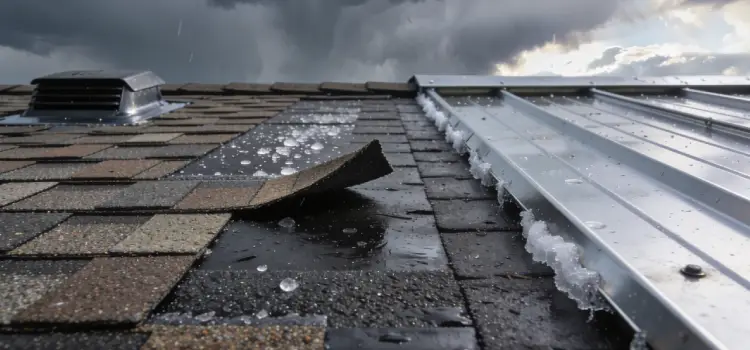
Table of Contents
- 1. Asphalt Shingles: Go-To Choice for Most Illinois Homes
- 2. Metal Roofing: Tough and Built to Last in Illinois
- 3. Tile and Slate Roofing: Heavy Duty Options That Demand Respect
- 4. Wood Shingles: Rustic Charm That’ll Cost You Sweat
- 5. Composite Shingles: Slate or Wood Look, Smarter Performance
- 6. Style, Color, and Energy: Don’t Skimp on the Details
- 7. Cost, Install, and Codes: Crunch the Real Numbers
- 8. Frequently Asked Questions
Illinois roofs get hammered by wind, hail, pounding rain, heavy snow, and those brutal freeze-thaw cycles that crack everything. That is why it is worth breaking down the main shingle types to see what fits your setup best. There is no one size fits all option here.
Every option has upsides, but watch out for a few pitfalls. Don’t expect miracles from shingles alone if your deck’s already beat up, or if you’ve skimped on ventilation or flashing. Installation’s half the battle: start with a solid deck prep, layer on quality underlayment, and lay shingles precisely. Oh, and keep an eye on the surrounding woodwork (fascia, trim, sheathing, framing) since hidden rot can wreck the whole job no matter what shingles you pick.
Asphalt Shingles: Go-To Choice for Most Illinois Homes
Asphalt shingles dominate here because they’re cheap, versatile, and come in tons of styles to match any budget or look.
Start with basic 3 tab shingles if you are pinching pennies. They are lightweight and easy to install, but they can peel off in the fierce winds or hail storms we get up north. Step up to architectural (or “dimensional”) shingles for better protection; the thicker fiberglass core and beefier sealant hold up way longer against our freeze-thaw nonsense. If you’re splurging, luxury asphalt versions pack even more weight and durability, worth it for roofs that need to shrug off decades of brutal weather.
How long do they last? Around 20 to 30 years with good attic ventilation and solid flashing. If you skim on either, you are likely to see leaks much sooner.
Metal Roofing: Tough and Built to Last in Illinois
If you’re after a roof that laughs at harsh winters and sheds heavy snow like it’s nothing, metal shingles are hard to beat.
Go for standing seam panels if you want sleek, modern lines. They lock together with raised seams that keep water out and let snow slide right off easily. Corrugated steel works great on sheds or garages, super affordable and quick to throw up.
Want that classic shingle vibe with metal’s bulletproof durability? Stone-coated versions nail the look while handling decades of wind and ice.
Steel, Galvalume, aluminium, or even copper, which develops a beautiful patina over time, give you options. The upfront cost can sting more than asphalt. With proper installation, you can often get 40 to 70 years of service life, which can pay off, especially when asphalt starts curling after around 20 years.
Tile and Slate Roofing: Heavy Duty Options That Demand Respect
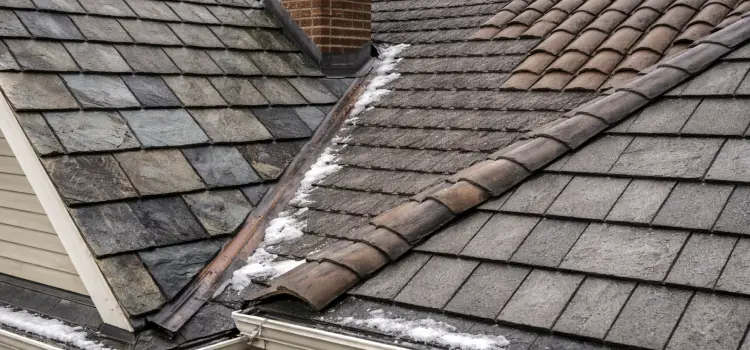
Tile roofs can work well in Illinois if you are serious about longevity, but they are not a lightweight swap for asphalt. They add real heft, and the structure needs to handle that load for decades without sagging.
Clay tiles give that timeless Mediterranean flair and hold their rich color through years of sun and snow, though they crack easy if your crew’s rough during install. Concrete tiles cost less upfront, mimic the look well, and have the density to resist impacts, but watch for water absorption in our freeze thaw winters. It can lead to cracks if the underlayment or deck prep is sloppy.
Nail the pitch, flashing, and drainage, and you’re golden with 50+ years of life. Rush it, though, and those “shingle-like” pieces shatter on-site, tanking performance no matter how pretty they look.
Slate takes it further: real quarried stone that’s damn near indestructible, shrugging off hail like pebbles. Expect 75-100 years if installed right on a beefy deck with pro fasteners, but the premium price and repair hassle mean it’s for folks chasing heirloom quality, not quick fixes.
Wood Shingles: Rustic Charm That’ll Cost You Sweat
Wood shingles pop up now and then in Illinois, mostly on older homes or cabins where that warm, shake like texture just fits. Cedar or redwood look especially good against stone or brick, which is something asphalt struggles to match.
But here’s the deal: they’re high-maintenance divas. They soak up moisture like a sponge, sprout moss in shady spots, and turn into a science project with algae after our wet springs. Windy storms drive rain right into any sloppy seams, speeding up the rot.
Some are fire treated to meet code, but you still need strong ventilation, solid flashing, and clear runoff paths to give them a fighting chance. Plan on treating and inspecting the roof every few years, or switch to architectural asphalt when hail damages it, since that is far less hassle over the long term.
Composite Shingles: Slate or Wood Look, Smarter Performance
Composite shingles are a sweet spot for people who want a premium slate or wood look without the headaches. They are often made from recycled plastics and rubber, molded into tough, lightweight shingles that can handle impacts better than the real thing.
They nail the style on historic fixes or modern builds, dodging the back-breaking weight of actual tile while flexing through Chicago hail that’d shatter brittle stuff.
Quality varies widely between brands, so dig into the warranties and do not skimp on professional installation. Underlayment, flashing, and ventilation are non negotiable, or even top tier shingles can fail.
Great middle ground: tougher than cheap asphalt in storms, no moss wars like wood, easier on the structure than stone. Perfect if your budget and Illinois weather reality align.
Style, Color, and Energy: Don’t Skimp on the Details
Shingle styles are not just for looks. They affect how well your roof handles water, wind, and Illinois wear and tear, so choose one that fits your home’s lines and roof pitch without working against it. Sleek low-profiles nail modern vibes; chunkier architectural ones cozy up to traditional setups.
Colour can be a sneaky game changer too. Go too dark and your attic can turn into a furnace, which can shorten shingle life if the ventilation is poor. Lighter shades can reflect more heat, but they still need solid airflow or it will not help much. The cool roof hype will not save a bad system, since underlayment, flashing, and ventilation make or break it. Also, test the colour against your siding and trim before committing, because clashing colours can ruin curb appeal.
HOA overlords in the Chicago burbs? Check their picky rules upfront on styles and shades to dodge fines, boost resale, and blend with the hood.
Cost, Install, and Codes: Crunch the Real Numbers
Asphalt keeps costs down, with 3 tab shingles for penny pinchers and luxury versions if you want more oomph. Metal, tile, slate, or synthetic options cost more upfront, but they can outlast asphalt by decades when installed correctly. Look at the full picture, because quick leaks from bargain shingles can erase those savings fast.
Installation is where most jobs live or die. Scrape away any soft decking, install flashing around chimneys and valleys, and clean up every stray nail. Skip those steps and your premium roof can turn into a sieve when hail season hits.
Local codes often require ice barriers and specific fastener patterns. Good crews, like Boxer Exteriors in Wheaton at 130 W Liberty Dr, follow both code and manufacturer specs so warranties stay intact.
There is no magic bullet shingle. Illinois wind, hail, and freeze cycles will narrow the winners. Match your home’s style, budget, and climate, then hire skilled installers. That is your roof.

Frequently Asked Questions
What makes asphalt roof shingles a smart choice for Illinois homeowners?
Asphalt roof shingles remain the most popular roofing choice because they balance cost, performance, and style. These roof shingles work well in a complete roofing system when paired with proper underlayment, flashing, and ventilation. For most houses, they offer predictable asphalt shingles lifespan (typically 20 to 30 years) without stressing the structure. They’re easy to repair, widely available, and familiar to local crews, which lowers install risk during a new roof or roof replacement.
How does asphalt roofing compare with other options in harsh weather?
Asphalt roofing competes well against pricier roof materials when installed correctly. Compared to wood or tile, roofing shingles for homes made from asphalt flex better during freeze-thaw cycles. They won’t last as long as slate (whose slate roof lifespan can exceed 75 years) but their shorter lifespan is offset by lower upfront cost and easier repairs. For many owners, asphalt remains a practical roofing option that delivers solid protection without premium pricing.
How should a homeowner choose the right type of roofing material?
Choosing the right type of roofing material starts with structure, budget, and climate. Heavy options like tile or slate demand a reinforced deck, while lighter shingles for your home keep costs down. A contractor should explain how shingles are made, how they vent heat, and how they shed water. The best roofing system matches roof pitch, ventilation, and flashing (not just looks) so performance lasts through storms, not just the first season.
What are the main types of asphalt shingles and how do they differ?
The types of asphalt shingles break down by thickness and design. Basic options are thin and affordable, while architectural roofing shingles (also called dimensional shingles) use layered mats for strength. These laminated shingles seal tighter and resist wind better. Each type of asphalt shingle serves a different budget and exposure level. In Illinois, thicker profiles generally outperform lighter ones because they handle ice, hail, and gusts with fewer failures.
Are metal roof shingles worth the higher upfront cost?
Metal roof shingles cost more at installation, but their long shingle roof lifespan often justifies the price. Options like steel or aluminum shingles resist rot, shed snow fast, and shrug off hail. Unlike asphalt, they don’t curl or crack. For owners planning long-term, metal can reduce future roof replacement cycles. They also integrate cleanly with modern flashing details, making them a durable roofing option for severe Midwestern weather.
How do rubber roof shingles perform compared to traditional materials?
Rubber roof shingles, often listed as synthetic roofing shingles, blend recycled polymer materials into impact-resistant panels. They mimic slate or wood shake shingles without the weight or maintenance. These shingle option products flex under hail instead of shattering, which is a big plus in storm zones. Quality varies, so homeowners should focus on warranties and installer experience to ensure these newer roofing shingles available deliver long-term value.
Is a 3-tab shingle still a good idea for budget roofs?
A 3-tab shingle remains the cheapest type of shingle and installs quickly, but it’s the weakest performer in high wind. While fine for sheds or low-exposure roofs, most houses benefit from thicker architectural shingles that seal better. Shingles come in many grades now, and stepping up slightly improves durability without a huge cost jump. For main living spaces, most pros steer owners away from basic tabs.
What should homeowners know about metal shingles before installing them?
Metal shingles combine the look of traditional roof shingles with the durability of steel or aluminum. They’re lighter than tile, resist fire, and integrate well with modern snow-shedding designs. As high-quality roofing, they demand precise fastening and flashing to prevent noise or movement. When installed correctly, they outperform asphalt in longevity and storm resistance, making them a solid long-term roofing option for Illinois homes.
Do roofing tiles or slate make sense in Illinois climates?
Roofing tiles and slate deliver exceptional durability, but weight matters. Concrete or clay tiles can exceed 50 years, while slate pushes a century if detailed properly. Compare that to asphalt’s shorter lifespan and the math can work if the structure supports it. Unlike cedar shingles or shake shingles, tile won’t rot, but poor drainage can cause freeze damage. Proper deck prep separates success from costly cracks.
How do standing seam metal roofing and luxury shingles compare for premium roofs?
Standing seam metal roofing offers sleek lines, concealed fasteners, and unmatched water control. Luxury shingles, by contrast, provide thick, textured profiles that mimic slate while keeping familiar installation methods. Both are premium roof materials with long service lives. Metal excels at snow shedding and longevity, while luxury asphalt fits traditional styles better. The right pick depends on architecture, budget, and how long the owner plans to stay put.


The team worked efficiently, stayed responsive to phone calls, and were always professional, friendly, and positive. They came highly recommended and truly delivered. We continue to refer them to our friends and neighbors as well.


I highly recommend Boxer Exteriors


Great customer service. Dawn and her team went above and beyond. I highly recommend!!!!!💪🏻💪🏻


The work to the house was handled over two days, one for the roof and another for the siding. No incidents and the end result was seamless. Really came together in the end and have gotten regular compliments on the final outcome.
Overall, couldn’t be happier with my decision to go with Boxer. Professional, trust-worthy, and just overall really good people!