By: Boxer Exteriors • May 22, 2026 • 8 min. read
Spot siding problems before they spread. Learn when cracks, warping, moisture, rot, pests, or loose panels need repair, replacement, or inspection.
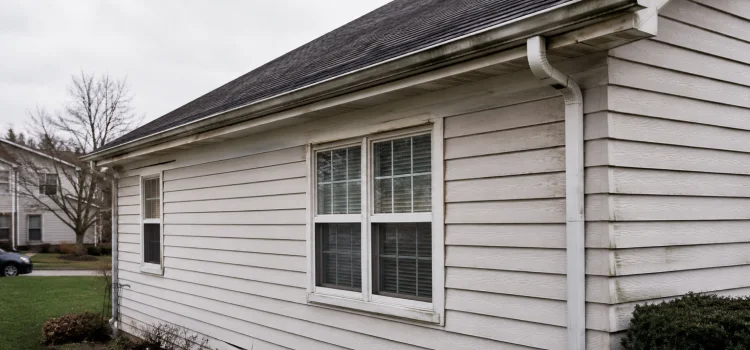
Table of Contents
- 1. Why Siding Problems Should Be Taken Seriously
- 2. Visible Signs of Siding Damage Around the Home
- 3. Moisture Problems Behind Siding
- 4. Wood Siding Problems, Rot, and Pest Damage
- 5. Installation and Flashing Issues That Lead to Siding Damage
- 6. When to Repair or Replace Siding
- 7. Frequently Asked Questions
Siding is more than the outer color or texture people notice from the curb. It works as a protective layer against rain, wind, sun, pests, and major temperature swings. When siding problems are ignored, small flaws can turn into costly exterior work. A hairline crack, loose panel, or patch of mildew may look minor at first, but it can lead to siding damage, insulation problems, or hidden moisture concerns behind the wall.
Homeowners do not need to panic over every mark or faded section. Still, learning the early signs of siding damage makes siding maintenance easier and helps them decide when to repair or replace siding before the problem spreads.
Why Siding Problems Should Be Taken Seriously
A home’s exterior works as a connected system. The roof, gutters, windows, trim, and siding all help move water away from the structure. When one part fails, another area can take the strain. That can create problems that are easy to miss from the ground.
Siding helps protect sheathing, insulation, framing, and interior walls. It also supports energy performance by helping the home stay more stable during hot summers and cold winters. If panels no longer fit tightly, drain properly, or keep the wall surface covered, water and pests may find a way behind the material.
In the Chicago metro area, weather can be rough on exterior products. Strong wind, hail, snow, ice, summer sun, and repeated freeze-thaw cycles can all become causes of siding damage. Wind damage to siding may loosen panels. Hail damage to siding can leave cracks or impact marks. Sun damage to siding may lead to fading or brittle surfaces over time. Freeze-thaw siding damage can happen when trapped water expands during winter and weakens vulnerable sections.
Not every weather-related mark requires immediate replacement. The best next step is to assess whether the issue is cosmetic, isolated, or affecting the wall system beneath it.
Siding Protects More Than Appearance
Good siding should feel solid, secure, and properly fitted. It should shed water, resist regular weather exposure, and help keep the home’s structure protected. Once gaps, cracks, or loosened panels appear, the home loses part of that defense.
Visible Signs of Siding Damage Around the Home
Many warning signs can be spotted without climbing a ladder. A careful walk around the house can reveal changes in shape, texture, color, and how the panels sit against the wall. These visible clues help homeowners know when a siding inspection makes sense.
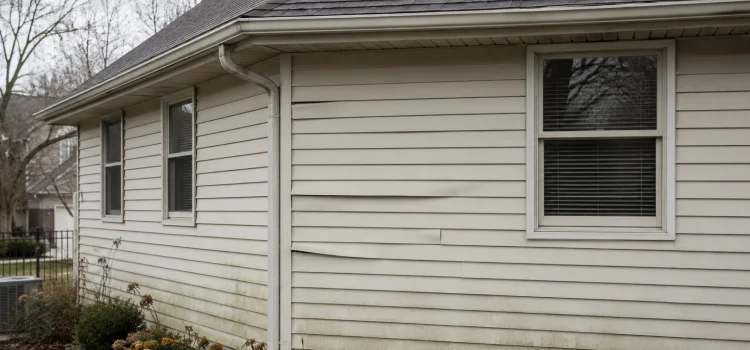
Warped siding may point to heat exposure, moisture behind the surface, or installation issues. If a panel looks wavy, bowed, or out of shape, it may no longer sit correctly against the wall. Buckling siding can suggest poor fastening, not enough expansion space, or movement from temperature changes. Since many materials expand and contract through the seasons, poor installation can make that movement more visible.
Cracked siding is another common sign. Cracks can come from impact, age, cold weather, or stress near seams and corners. A single cracked section may be repairable. Several cracks across different sides of the house may point to broader wear.
Homeowners should also look for loose siding panels. Loose pieces can rattle in the wind and may allow wind-driven rain behind the surface. Siding detachment, where panels pull away from the wall, is more serious because it can expose the layers beneath. Missing siding nails, rusted fasteners, or popped nail heads can also weaken the siding system.
Fading, discoloration, soft spots, uneven surfaces, or repeated staining should not be brushed off. These signs do not always mean full siding replacement is needed, but they deserve attention. In many cases, early siding repair can prevent a larger project later.
Moisture Problems Behind Siding
Some of the most serious siding problems are hidden from view. A wall can look normal from the street while water slips behind the siding through small gaps, failed flashing, damaged trim, poor installation, problems along the roof edge, or window openings.
Once moisture gets trapped, it can affect sheathing, insulation, framing, and interior finishes. That can create a bigger problem than a loose panel or faded color. Homeowners may notice a musty smell near an exterior wall, soft or spongy siding areas, stains below windows, peeling paint, or mildew on siding in shaded sections. Repeated staining after storms can also be a sign that the same area keeps getting wet.
Water behind siding can be easy to mistake for a roof leak, especially near upper walls, dormers, windows, or roof-to-wall intersections. In some cases, roof issues causing siding damage may start above the wall and show up farther down. A gutter that overflows, a drip edge that does not direct water away properly, or a flashing gap can send water into places it should never go.
Mold on siding does not always mean mold and rot under siding, but it deserves attention when it keeps coming back in the same spot. Water intrusion under siding can spread quietly, especially when the area cannot dry properly. A full exterior inspection can help identify the true entry point instead of fixing the most obvious surface stain and leaving the real issue unresolved.
Wood Siding Problems, Rot, and Pest Damage
Wood has a warm, classic appearance that many homeowners still prefer, especially on older homes or custom exterior projects. Cedar and other natural materials can look attractive and hold up well when maintained properly. The downside is that wood usually needs more regular care than vinyl, fiber cement, or other durable siding materials.
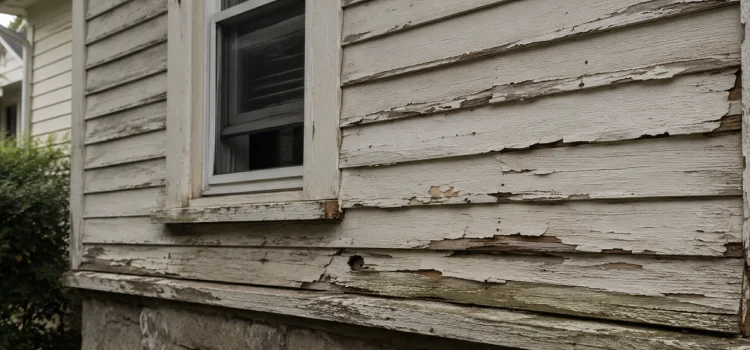
If paint, stain, or caulk starts to fail, moisture can soak into the boards. Over time, that can cause soft spots, peeling paint, blistering, swelling, or wood rot in siding. Damaged wood siding may feel spongy, crumble at the edges, or break apart when pressure is applied. Exposed sections near trim, corners, windows, and lower wall areas are especially vulnerable because they get more exposure to weather.
Pest damage to siding is another concern. Termites in siding, carpenter ants in siding, and wood-boring insects in siding often target damp or weakened material. Small holes, sawdust-like frass, tunnels, or repeated insect activity can point to a deeper problem beneath the surface.
Routine wood siding maintenance helps prevent these problems. Regular inspections, clear drainage paths, fresh paint or stain, and tight caulk lines can keep the exterior protected longer. When rot or pest activity is already spreading, a contractor may need to assess whether a partial repair is enough or whether replacement will be the better long-term choice.
Installation and Flashing Issues That Lead to Siding Damage
Some siding problems are not caused by age, storms, or poor maintenance. The original installation can create long-term performance issues if the system was not built to move, drain, and shed water correctly.
Siding installation problems often start with small details. If panels are fastened too tightly, they may not have enough room for siding expansion and contraction during temperature swings. That can lead to buckling, warping, or stress near seams and corners. Poor fastening can also leave panels loose enough for wind to lift them during heavy weather.
Flashing is another key part of the system. Siding flashing problems around windows, doors, trim, and roof-to-wall transitions can allow water intrusion under siding. Over time, that may affect sheathing, insulation, framing, or interior finishes. Window moisture intrusion is especially easy to miss because stains may appear indoors before the exterior problem looks obvious.
A proper installation should let the exterior shed rain while still giving materials room to move. That balance affects durability, comfort, and repair costs over time. Even durable siding materials can fail early when they are installed without proper gaps, flashing, drainage, or fastening.
When to Repair or Replace Siding
The right fix depends on how much damage there is, where it appears, and what caused it. A small, isolated issue may be simple to address. Widespread wear, moisture problems, repeated storm damage, or aging materials can point toward a larger project.
Repair may work when damage is limited to one section, a few panels are loose, flashing needs correction, or a small area was affected by wind or hail. This can be the more practical choice when the rest of the exterior is still in good condition and the repaired area can blend cleanly.
Replacement may make more sense when panels are widely cracked, rotted, buckled, pulling away, or no longer protecting the wall system. If a homeowner keeps seeing the same signs of siding damage after storms or seasonal temperature changes, patching may only delay the real fix.
A siding inspection can help homeowners decide whether to repair or replace siding without guessing. Boxer Exteriors is a licensed residential and commercial roofing and exterior contractor based in Wheaton, Illinois, serving the wider Chicago metro area. Boxer Exteriors provides free inspections and helps with siding and fascia, roofing, storm damage, gutters, and windows throughout the Chicago metro area.
That broader exterior experience is useful because siding problems are often connected to the rest of the exterior. Roof issues causing siding damage, clogged gutters, aging fascia, window leaks, and weather damage to siding can all overlap. A full inspection helps identify the real source instead of treating only the visible surface problem.
Siding Problems Are Usually Easier to Fix Early
The siding problems homeowners should watch for include warping, cracking, loose panels, moisture stains, mold, rot, pest damage, and recurring leaks near exterior walls. Early attention can help prevent larger repairs and protect the structure beneath the exterior surface.
Siding damage does not always require full siding replacement. In many cases, timely siding repair and a clear siding inspection can keep the home protected and in good condition. Boxer Exteriors serves Wheaton and the wider Chicago metro area with roofing, siding, fascia, gutters, windows, storm restoration, and free inspections.
Frequently Asked Questions
What are the most common causes of siding damage?
Common causes of siding damage include wind, hail, sun exposure, freeze-thaw cycles, poor installation, clogged gutters, and failed flashing. Small gaps or loose panels can let moisture reach the wall system, leading to moisture damage to siding over time. Impact from storms can also cause damage to the siding, especially near corners, seams, and lower wall areas. A siding contractor can inspect the exterior and tell whether the issue is cosmetic or a sign of deeper damage.
What are the most common problems with vinyl siding?
Problems with vinyl siding often include warping, cracking, fading, loose panels, buckling, and gaps around trim or windows. Vinyl siding can perform well, but heat, wind, poor fastening, and storm impact may cause damage if the material cannot move properly. These common issues do not always mean full replacement is needed. If the affected area is small, repair may be enough. If panels are widely distorted or pulling away, replacement may be the better choice.
When should a homeowner repair damaged siding?
A homeowner may choose repair when damaged siding is limited to one section, a few panels are loose, or flashing needs correction. Repair can also work after minor hail or wind damage if the rest of the exterior is still solid. The key is checking for signs of damage beyond the surface. If water infiltration, soft spots, or repeated staining are present, the problem may be larger than it looks from the ground.
What major problems can happen if siding issues are ignored?
Major problems can include moisture trapped behind panels, mold growth, rot, pest entry, insulation problems, and weakened structural integrity. Compromised siding may also allow water infiltration near windows, roof edges, or wall openings. Over time, siding failures can affect sheathing, framing, and interior finishes. Early inspection helps protect the home because it identifies whether the concern is only surface-level or already affecting the layers underneath.
What signs of water infiltration behind siding should you watch for?
Signs of water infiltration behind siding include musty smells, stains near exterior walls, peeling paint, soft siding areas, mildew in shaded areas, and repeated staining after storms. Water behind siding can look like a roof leak, especially near upper walls or roof-to-wall intersections. Mold or recurring damp spots may point to deeper siding issues. A full exterior inspection can help identify whether the problem starts with the siding, roof, gutters, flashing, or windows.



Tony and Judy Lavarda, Napervile, IL

The team worked efficiently, stayed responsive to phone calls, and were always professional, friendly, and positive. They came highly recommended and truly delivered. We continue to refer them to our friends and neighbors as well.


I highly recommend Boxer Exteriors


Great customer service. Dawn and her team went above and beyond. I highly recommend!!!!!💪🏻💪🏻