By: Boxer Exteriors • Mar 12, 2026 • 10 min. read
Use this roof maintenance checklist to catch small problems early, track changes season by season, and protect Illinois homes from costly leaks and storm damage.
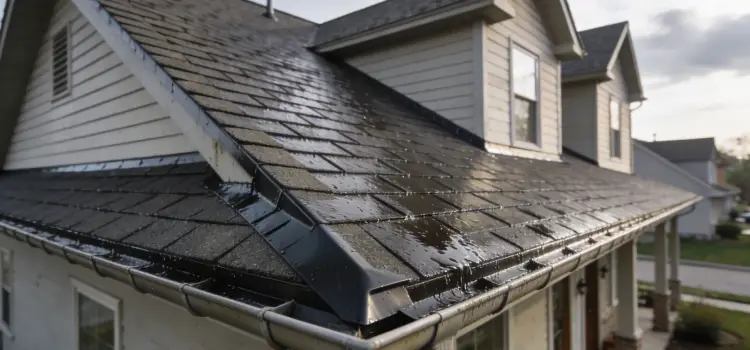
Table of Contents
- 1. Safety and Access Control: Don’t Wreck the Roof
- 2. Know the Roof Type Before You Start: Asphalt vs Flat/Low-Slope vs Metal/Tile
- 3. Surface Cleaning and Vegetation Management: Moisture Starts with Mess
- 4. Drainage System: Gutters, Downspouts, Drains, Scuppers
- 5. Flashing, Penetrations, Sealants: Where Most Leaks Begin
- 6. Water Intrusion Indicators: Spot Trouble Before It Becomes Replacement
- 7. Frequently Asked Questions
A roof maintenance checklist does one simple thing really well. It helps homeowners build a clear inspection routine that does not miss the small problem areas where leaks often begin before they turn into expensive trouble later. In Illinois, where snow, wind, hail, and hard rain can all hit the same home in a single year, that kind of structure helps. A good list turns “the roof probably looks fine” into “here is what changed, when it changed, and what needs attention next.”
For most homes, the easiest plan is a seasonal roof maintenance schedule built around twice-yearly roof inspections. Spring and fall make the most sense. Spring helps catch winter wear, ice-related stress, and drainage issues. Fall helps prepare the building for snow, freeze-thaw cycles, and cold-weather water problems. That gives homeowners a dependable rhythm without making maintenance feel like a full-time job.
There is another layer to it, too. A checklist should not only follow the calendar. It should also trigger an inspection after severe weather events. In Illinois, that means hailstorm damage, straight-line winds, tornado activity, and heavy thunderstorms. Fast-moving storms can loosen shingles, shift flashing, and push water into places a homeowner never sees from the driveway. A quick post-storm check can catch damage before it spreads deeper into the roof system or the rest of the building.
The main benefit is clarity. A checklist helps prevent overlooked items. It also helps homeowners compare one inspection to the next. That is where documentation becomes just as important as the visual check itself.
A smart system should include:
- keep a roof maintenance log
- document every inspection and repair
- create a simple historical file for the roof
- save dates, locations, and scope of work
- keep photo documentation for roof inspections
- store before-and-after images when repairs are made
That record can be incredibly useful later. If a leak develops, or a warranty question comes up, a written history helps show what was checked, what changed, and what action was taken. Completed logs, photos, and a clear checklist can also support insurance conversations after storm damage. In many cases, that paper trail makes the difference between a vague claim and a well-supported one.
Safety and Access Control: Don’t Wreck the Roof
Roof work safety guidelines are mostly about limits. Homeowners do not need to prove anything on a ladder. A safe DIY check usually means binoculars from the ground, a perimeter walk, and an attic look for stains, damp spots, or daylight where it should not be. That is usually the safest limit for a DIY inspection. Walking the roof, handling repairs, or climbing around penetrations is where it makes sense to hire a professional roofing contractor.
That boundary protects both the person and the roof. Too much foot traffic can cause damage, especially on aging shingles or low-slope materials. Walking in the wrong place can loosen granules, crack components, or create punctures. If anyone must access the roof, traffic should stay controlled and limited to necessary areas only.
High-risk spots deserve extra attention:
- access points
- work zones
- areas around mechanical equipment
- sections where other trades have already been
Satellite installers, HVAC crews, and other contractors can cause accidental roof damage without realizing it. That is one reason many buildings benefit from basic access rules, designated walk paths, or protective pads in the right areas. The goal is simple: protect a solid, dependable roof from avoidable wear.
Know the Roof Type Before You Start: Asphalt vs Flat/Low-Slope vs Metal/Tile
A smart roof maintenance checklist starts with one basic question: what kind of roof is on the home or building? That sounds obvious, but it changes almost every part of the check. Good maintenance is not one generic list. It is a roof-specific plan.
For most homes in Illinois, the first category is asphalt. Asphalt shingle roof maintenance should focus on tabs, flashing, valleys, and ventilation. Homeowners should inspect shingles for curling and missing tabs, watch for shingle granule loss and UV damage, and pay attention to valleys where runoff concentrates. A dependable roof also needs airflow, so balanced attic ventilation should stay on the checklist. That helps with heat buildup in summer and supports ice dam prevention in winter.
Tile and shake roofs need a different mindset. The biggest warning here is simple: do not step where materials can crack or shift. Loose pieces, missing sections, and impact damage can get worse fast under foot traffic. A quick visual inspection from the ground or from safe access points is fine. Anything beyond that should go to a pro.
Flat and low-slope systems need even more targeted checks. The major concern is flat roof standing water risk. If the surface holds water, that is not a small issue. It is a warning sign. Add ponding water after 48 hours to the list of red flags, along with blisters, tears, holes, deep scratches, and cracked membrane areas. A low-slope roof should also be checked for low spots that collect moisture and wear faster than the surrounding field.
Gravel-top systems need their own visual pass. Uniform coverage is important. Bare areas can expose the membrane to sun and temperature swings, which speeds deterioration. A solid checklist should note uneven gravel, exposed material, and edge wear.
Metal systems call for a different routine again. Metal roof corrosion inspection should include seams, fasteners, oxidation, and any loose or damaged panels. Rust at joints or movement at attachment points can let water in before the problem becomes obvious indoors.
For any system, this part of the roof maintenance checklist works best when homeowners keep a roof maintenance log and note what type of roof they have, what weak spots they see, and what has changed since the last inspection. That record becomes even more useful after an inspection after severe weather events.
Surface Cleaning and Vegetation Management: Moisture Starts with Mess
A lot of costly roof problems start with simple debris buildup. Leaves, branches, dirt, and residue trap water and hold moisture against materials longer than they should. For that reason, every seasonal roof maintenance schedule should include surface cleaning.
The key step is easy to remember: remove roof debris before it turns into rot, mold, staining, or drainage trouble. Focus first on valleys, roof-to-wall transitions, behind chimneys, and near dormers. Those are the places where wet buildup tends to settle.
Tree care belongs here too. Homeowners should trim overhanging tree branches near roof lines, ideally keeping branches about six feet away. In Illinois, heavy wind and storm movement make nearby limbs a real risk. Branches scrape shingles, knock granules loose, and drop debris into gutters. That can create hidden damage quickly.
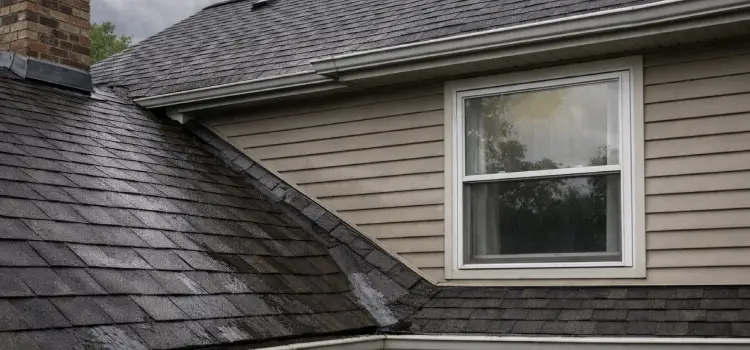
Organic growth deserves attention too. Moss and algae removal on roof surfaces helps protect shingle edges and reduce moisture retention. Moss can lift materials and keep them wet. Dark algae streaks are not always a structural emergency, but they can signal a surface that stays damp too long. Gentle treatment is important here. Homeowners should avoid pressure washing shingles, because pressure can strip granules and shorten the life of the system.
Drainage System: Gutters, Downspouts, Drains, Scuppers
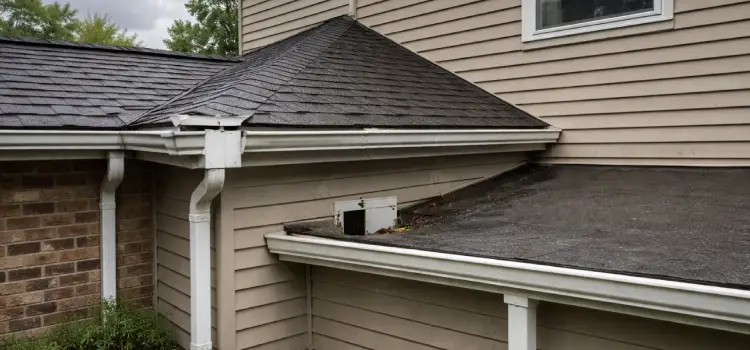
Drainage is where a lot of “minor” roof problems become interior water problems. The must-do item is clear: clean gutters twice per year. In most of Illinois, that means once in spring and once in fall, with extra attention after heavy storms or when trees drop fast.
The reason is simple. Clogged gutters cause backup. Backup pushes water under shingles, over fascia, and toward the building envelope. During freeze-thaw weather, that problem gets worse. A good checklist should also confirm downspout discharge away from foundation, because runoff that dumps too close to the home can affect the whole structure.
Low-slope systems need similar attention. Roof drain and scupper cleaning should stay on the list, along with checks for slow drainage, moss, stains, and backed-up water. Corners and edges often collect debris first, so those areas deserve an extra pass.
Optional upgrades like guards can help, but they are not magic. They reduce some clogging, but they do not replace regular inspection. The goal is steady flow, less backup, fewer leaks, and less expensive damage later.
Flashing, Penetrations, Sealants: Where Most Leaks Begin
A solid roof maintenance checklist should treat flashing and penetrations as priority items, not side notes. Most roof leaks do not begin in the middle of a field of shingles. They begin where materials change direction, where metal meets masonry, or where something passes through the roof. Because of that, every inspection should include roof flashing around chimneys, vent pipes, valleys, and skylights.
Start with the obvious. Look for rusted flashing, dented metal, loose edges, missing fasteners, and failing sealant. A careful skylight flashing inspection should also watch for metal pulling away, gaps at corners, and signs that previous caulk repairs were only surface fixes. Those gaps are important. They can point to membrane leaks, hidden water entry, and more serious damage inside the roof assembly or the building below.
Penetrations deserve the same level of attention. Vent boots, soil stacks, pipe gaskets, and sealed joints age faster than many homeowners expect in Illinois weather. Sun, snow, and freeze-thaw cycles wear them down. A smart checklist should seal roof penetrations when appropriate, but it should also warn against sloppy patchwork. If caulk is cracked, pulling, or separating, the answer is not always “add more.” The better move is to find the cause first.
This part of the roof maintenance checklist should include:
- inspect flashing around chimneys, vents, and valleys
- note cracked sealant, punctures, and localized leaks
- check skylights for loose edges and gap formation
- document missing fasteners and rust
- add photos to the file and keep a roof maintenance log
That kind of detail helps later. It supports photo documentation for roof inspections, warranty conversations, and insurance claims after an inspection after severe weather events.
Water Intrusion Indicators: Spot Trouble Before It Becomes Replacement
A dependable seasonal roof maintenance schedule should never stop at the exterior. Some of the most important clues show up inside the home or building first. The early signs are often subtle: ceiling stains, peeling paint, damp attic insulation, mold smell, or small drips during a hard rain. Those are the early signs of roof leaks homeowners should take seriously.
One reality check is important here: stain location does not always match the leak entry point. Water can travel sideways along decking, framing, or insulation before it appears indoors. For that reason, a ceiling mark should trigger a full inspection, not a guess.
Low-slope roofs add another layer of concern. Watch for bubbling membrane areas, discoloration, and ponding water after 48 hours. Those conditions can point to trapped moisture, insulation saturation, and long-term deck problems. The same is true of soft spots and signs of roof deck water damage. If a surface feels uneven or weak underfoot, stop walking it and call for help.
The practical decision often comes down to timing. Catching these warning signs early can mean repair instead of replacement. Letting them sit through another Illinois storm season can turn a manageable issue into structural damage.
Homeowners should use this roof maintenance checklist during twice-yearly roof inspections, after major storms, and anytime interior water shows up where it should not. Keep a photo-based log. Track what changed. And when flashing gaps, ponding, soft spots, or interior stains appear, hire a professional roofing contractor for a closer look. In Illinois, small mistakes rarely stay small for long.
Frequently Asked Questions
What basic roof care steps prevent the most trouble?
The most effective roof care is usually simple and consistent. Start by removing buildup before it traps moisture. That means clearing organic debris such as leaves and twigs from valleys, behind chimneys, and near roof transitions. It also helps to remove nearby tree branches that scrape surfaces and drop more debris into the drainage system. Homeowners should also limit moss and algae growth, because moss damage, including raised shingle edges and trapped moisture, can shorten the life of the system and create a damp surface that never fully dries out.
Is it a good idea to wash your roof yourself?
In most cases, homeowners should not aggressively wash their roofs, especially with pressure equipment. Strong spray can damage shingles, remove protective granules, and shorten the life of the surface. Gentle cleaning methods are safer. For light algae staining or dark streaks, a diluted bleach-and-water solution may sometimes be used carefully, with landscaping protected and runoff managed. On asphalt systems, it is smart to avoid tools that dislodge granules. If growth is heavy or footing is unsafe, call a roofer or roofing company for professional roof inspections and cleaning guidance.
How does roof upkeep help protect your investment?
To protect your investment, the biggest advantage is catching smaller issues before they turn into major repairs or a full replacement. A documented service history helps owners understand roof repair vs. replacement warning signs, and it can support warranty or insurance discussions later. If the system is older, it makes sense to schedule a contractor inspection for an aging roof rather than guessing. That kind of professional review can help a homeowner decide whether to patch, monitor, or plan for roof replacement instead of dealing with an emergency.
What are the most common signs of roof damage homeowners miss at first?
The most overlooked signs of roof damage are often subtle. Homeowners may notice a ceiling stain, peeling paint, a damp attic area, or a faint musty smell before they ever see an obvious leak. Those clues fit the broader category of roof repair vs replacement warning signs. Outside, watch for lifted flashing, missing tabs, exposed fasteners, and soft spots or uneven sections. When those patterns show up together, the roof may already be letting in moisture even if the main entry point is still hidden.
How should a commercial and industrial building handle long-term roof upkeep?
A commercial and industrial building should treat roof upkeep as part of facility planning, not just emergency response. The right system includes scheduled reviews, repair logs, drainage checks, and clear responsibility for access control. Owners should also stay aware of roof warranty maintenance requirements, because missed inspections or poor records can create avoidable warranty disputes later. On aging systems, a contractor inspection for aging roof conditions is often the smartest move. It gives owners a clearer timeline for repair, budgeting, or a future replacement plan.


The team worked efficiently, stayed responsive to phone calls, and were always professional, friendly, and positive. They came highly recommended and truly delivered. We continue to refer them to our friends and neighbors as well.


I highly recommend Boxer Exteriors


Great customer service. Dawn and her team went above and beyond. I highly recommend!!!!!💪🏻💪🏻


The work to the house was handled over two days, one for the roof and another for the siding. No incidents and the end result was seamless. Really came together in the end and have gotten regular compliments on the final outcome.
Overall, couldn’t be happier with my decision to go with Boxer. Professional, trust-worthy, and just overall really good people!