By: Boxer Exteriors • September 10, 2026 • 7 min. read
A roof inspection in Batavia can uncover storm damage, aging, leaks, flashing issues, and drainage problems before they lead to costly repairs.
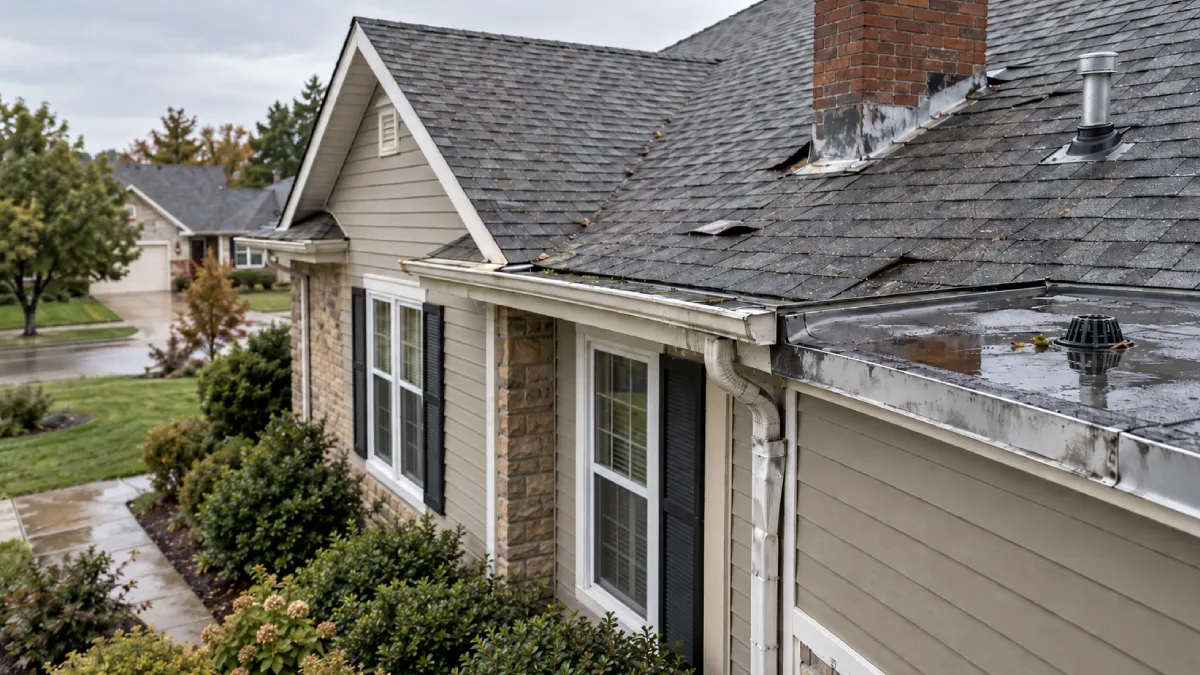
Table of Contents
- 1. What a Professional Roof Inspection Covers
- 2. Check the Gutters, Siding, Windows, and Attic Too
- 3. Storm Damage vs. Normal Roof Aging
- 4. When an Inspection Leads to Repair or Roof Replacement
- 5. What to Ask Before Scheduling Work
- 6. Frequently Asked Questions
Batavia roofs face rough weather year-round. Spring hail can damage shingles in seconds. Later in the year, wind catches loose or lifted shingle edges, while winter snow and ice hold moisture against the surface. Repeated freezing and thawing gradually widen gaps that once looked harmless. Heavy rain then finds those gaps.
Most of that damage is easy to miss from the driveway. During roof inspections in Batavia, we check for lifted shingle edges, failed flashing, and small openings that could let water inside. We also check gutters, siding, and window trim for dents, loose connections, and gaps caused by the same storm.
What a Professional Roof Inspection Covers
A professional roof inspection starts with a view of the roofline from the ground. A sag, wave, or uneven section calls for a closer assessment of the decking and supports below. Where roof access is safe, the inspector also checks for soft spots or movement underfoot.
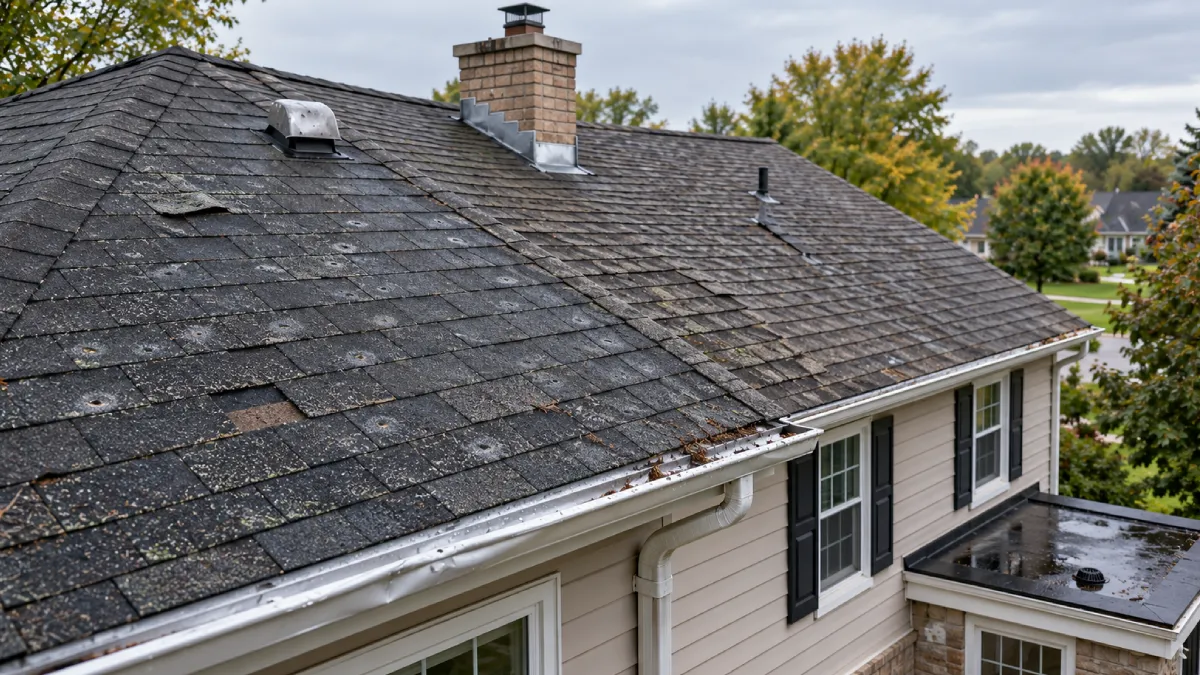
- Asphalt shingles. Missing tabs, lifted edges, cracks, curling, and exposed fasteners are among the visible signs of trouble. Ridge caps and seal strips also receive attention for signs of wind damage. Granules gathered near a downspout require context. A noticeable accumulation after a storm tells a different story from the loose granules sometimes found on a recently installed roof.
- Flashing and roof openings. Chimneys, walls, vents, and skylights create transitions where water can enter. The inspector checks these areas for gaps, corrosion, failed sealant, and signs of earlier repairs. Nearby shingles may look intact even when the flashing is allowing water through.
- Flat roofing. On flat sections, the inspection covers seams, edges, drains, wall transitions, and low areas that hold water. Punctures, blisters, surface cracks, and loose perimeter material all warrant attention. A dry surface alone does not confirm that the area beneath the membrane is free of moisture.
- Previous repairs. An old patch or heavy bead of sealant deserves another look. Its edges and the surrounding roofing help the inspector assess whether the repair is holding. Nearby staining or softness warrants further investigation, even if the patch itself appears intact.
The inspection report connects each finding to a specific location, with an overview photo and a close-up for context. Homeowners can see which area is affected and what the inspector found, rather than receiving a general note such as “roof damage.”
Check the Gutters, Siding, Windows, and Attic Too
Attic first. A ceiling stain shows where the water ended up, not necessarily where it entered. Damp insulation and darkened decking help trace the path back. A musty odor warrants a closer check for moisture beyond the visibly stained area. Daylight visible through the decking indicates a direct opening. Condensation around a vent usually points to an airflow or air-sealing problem rather than a roof leak.
Then outside. A gutter pulling away from the fascia may spill water behind the siding instead of carrying it to the downspout. Overflow marks reveal where the gutter system stopped directing water properly. Hail dents on the same side of the home provide another clue about the source and extent of the damage.
Window and siding problems are often mistaken for roof leaks. Cracked vinyl siding is only part of the picture because the house wrap and flashing behind it serve as the primary water-control layer. On cedar siding, peeling paint or softened wood points to prolonged moisture exposure. An open joint around window trim gives rain and outside air a path indoors. Interior condensation points to a different problem. Air leakage around the frame is common, although poor insulation and high indoor humidity can produce similar symptoms.
Our work covers roofing, siding, fascia, gutters, and windows, so we look beyond the roof when the source of a leak is unclear. If water is entering around window trim or behind a loose gutter, replacing shingles will not solve the problem.
Storm Damage vs. Normal Roof Aging
The slope facing the storm may show hail bruises while the opposite slope looks untouched. Granules collect at one downspout. Similar dents on a vent or gutter provide supporting evidence. Wind can be just as selective. One edge lifts. A broken seal strip leaves the tab loose. Sometimes a single tab disappears while nearby rows stay put.
Similar granule loss across several slopes suggests gradual wear, especially when shingles also show brittleness or curling. Old sealant dries out, and earlier patches may begin to fail. On flat roofs, recurring seam failures warrant a closer look at material condition, previous repairs, and movement in the underlying deck. Where an attic is present, poor ventilation can contribute to heat and moisture buildup that affects the roofing system.
A thorough storm damage inspection in Batavia includes this type of slope-to-slope comparison. Ground-level photos taken soon after the storm help homeowners document visible changes, especially when they show both exposed and sheltered sides of the home. A roofing professional then assesses areas that require roof access.
At Boxer Exteriors, we handle storm restoration and document affected areas with photos and written findings that homeowners can submit with an insurance claim. Coverage decisions remain with the insurer. Our report records the location and extent of each finding and distinguishes storm-related damage from normal wear.
When an Inspection Leads to Repair or Roof Replacement
One failed flashing detail beside a chimney is often repairable when the surrounding deck is dry. A small puncture on a flat roof gets a closer look because moisture sometimes travels beneath the membrane. If trapped moisture is suspected, the inspector explains whether additional testing or a limited opening is necessary and agrees on the scope with the homeowner before proceeding. When storm damage is limited to a few shingles and the decking remains sound, repairs are usually sufficient.
When a stain returns after earlier work and similar wear appears on another slope, another localized repair may not resolve the underlying problem. Soft decking shows that the problem has moved below the surface. Storm damage does not always follow one continuous path; separate sections may be affected. On an aging flat roof, one seam gets repaired and another opens the following season. Once failures begin appearing in different areas of the roof, comparing the expected cost of continued repairs with replacement helps homeowners weigh that expense against the system’s remaining service life.
Roof size, pitch, and accessibility determine the baseline cost. Decking is the uncertain part because its full condition often remains hidden until the old roofing material is removed. Including an allowance or unit price for replacement decking sheets helps homeowners account for that potential expense. Disposal costs should be included in the initial quote, with ventilation corrections and required permit fees listed separately. Naming the exact asphalt shingle or flat-roof system and specifying the workmanship warranty makes estimates easier to compare.
What to Ask Before Scheduling Work
Homeowners can use this checklist to discuss the inspection findings with their contractor and ask for photos, repair options, an estimate of the remaining service life, and warranty details before agreeing to the work.
Based in Wheaton, we are a licensed roofing contractor serving homeowners in Batavia and throughout the greater Chicago area. We handle roof repairs, full replacements, and storm restoration. Our Boxer Roof Care Plan covers ongoing maintenance, and flexible financing is available for larger projects. We are an Owens Corning Certified Contractor and offer a 10-year workmanship warranty on full roof replacements.
Homeowners can schedule a free roof inspection in Batavia to discuss the condition of their roof and available options.
Frequently Asked Questions
What does a professional roof inspection cover?
A professional inspection goes beyond counting missing shingles. We look at how the roof is wearing, paying close attention to edges, flashing, ridge caps, and earlier repairs. Openings around vents, chimneys, and skylights are checked for gaps that allow water to enter. Flat roofs require a different approach, with attention to seams, wall transitions, drains, and areas that stay wet after rain. Inside the attic, staining and damp insulation help trace the path of moisture back to its source.
How do drainage problems affect the roof and exterior?
Poor drainage leaves evidence. On a flat section, dirt rings or standing water mark low areas where the surface stays wet after rain. Clogged gutters create overflow marks and sometimes pull away from the fascia under added weight. Water can then spill onto the siding, window trim, or roof edge instead of draining safely through the downspout. Clearing the obstruction solves only part of the problem if seams, fasteners, or exterior materials have already deteriorated.
When should homeowners call a professional after hail damage?
Homeowners should arrange a hail damage inspection in Batavia when a storm leaves fresh granules near a downspout, dents on metal vents or gutters, or unexplained marks on the shingles. Hail does not always leave holes or remove material. It can bruise a shingle below the surface and shorten its service life. Ground-level photos taken soon after the storm help document the visible damage and identify the affected sides of the home without requiring anyone to climb onto the roof.
What does an exterior roof inspection reveal after high winds?
An exterior roof inspection often finds wind damage along eaves, rakes, ridges, and other exposed edges. A lifted tab sometimes settles back into place after the weather passes, but the adhesive seal may remain broken. That leaves the shingle vulnerable during the next storm. A wind damage inspection in Batavia compares the exposed slopes with sheltered areas and checks nearby flashing and ridge caps. The pattern matters because normal aging tends to appear more evenly across the roof.
Why can a roof leak when the shingles still look intact?
Shingles are only part of the roof’s protection against water. Flashing and seals around chimneys, vents, and other roof penetrations also help keep moisture out. A contractor will inspect these connections because small issues, such as a cracked pipe boot or loose flashing, can let water beneath otherwise intact roofing material. Finding the source early helps limit water damage and determine whether a targeted repair is appropriate.



Tony and Judy Lavarda, Napervile, IL

The team worked efficiently, stayed responsive to phone calls, and were always professional, friendly, and positive. They came highly recommended and truly delivered. We continue to refer them to our friends and neighbors as well.


I highly recommend Boxer Exteriors


Great customer service. Dawn and her team went above and beyond. I highly recommend!!!!!💪🏻💪🏻