By: Boxer Exteriors • January 29, 2026 • 10 min. read
Measure the roof in square metres to order the right materials, price the job accurately, and avoid delays or disputes when insurers verify roof area.
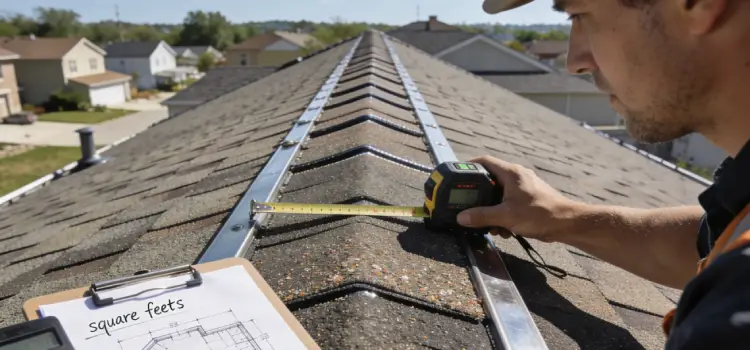
Table of Contents
- 1. Roofing Basics Every Homeowner Should Know
- 2. Measuring Roof Planes Right
- 3. Roof Slope, Pitch, and Adjusted Square Footage
- 4. Roof Complexity: The Detail That Changes Everything
- 5. Tools Pros Use to Measure Roof Area Accurately
- 6. From Measurements to Materials and Waste
- 7. Using Measurements for Cost, Planning, and Insurance
- 8. Measure Smart Before You Replace a Roof
- 9. Frequently Asked Questions
When a homeowner plans work, the cost of a new roof depends on roof area and measurement accuracy. Wrong roof numbers affect material ordering and the estimate. They can complicate roof damage assessment and roofing insurance claims when an adjuster checks the measurement on the roof. The industry shortcut is the roofing square. Homeowners can follow this, even if they never climb a ladder.
Roofing Basics Every Homeowner Should Know
What is a roofing square? It’s a unit contractors use to calculate labor. Standard roofing measurement starts by adding roof area, then converting to square count. To calculate roofing squares, total the square foot surface and divide by 100. To calculate square meters, multiply square feet by 0.092903. Keep square foot notes beside square meter notes. This measurement also helps calculate a material estimate for each square and each perimeter foot of drip edge.
Home size and roof size usually track, but they’re not identical. Garages, porches, and a roof overhang add area. Roofing shingles per square are sold by coverage; many asphalt shingles use about three bundle per square, while thicker styles raise the bundle count. That bundle math helps calculate material: count square, multiply by bundle, then calculate waste. Use it to calculate a material bundle estimate. It’s the start of a roof estimate and an estimate check before any material purchase.
Measuring Roof Planes Right
Roofs are not just one flat slab. They are made up of separate planes, with each section sharing the same angle. Pros tackle each one individually: measure it out, figure the area, jot down the square footage. Add ’em all up, and you’ve got your total roof size. For squares, multiply length by width for each plane, and treat them as rectangles or triangles depending on the shape.
On the roof, a good tape measure and level keep the work accurate. Check the run and the rise, then secure the edges. From the ground, homeowners miss dormers, mess up valley lines, or skip overhangs every time, and suddenly your measurements is off, materials are wrong, and notes are useless. Here in Illinois, houses often have multiple gables and hips, so missing one plane ruins your square count, bundle order, and the whole estimate.
Roof Slope, Pitch, and Adjusted Square Footage
Roof slope and pitch sound like the same term, but they’re used a little differently. Roof slope is the angle of the surface. Pitch is the standard rise-over-run description contractors use to calculate work. A common example is 6/12: the surface rises 6 inches for every 12 inches of horizontal run. Once a homeowner can calculate pitch, they can calculate why the real surface area is larger than the “flat” footprint.
Here’s the simple method pros use. First, measure a 12-inch run with a measuring tape and level. Next, measure the rise at that point. That rise number is the pitch. From there, a contractor uses a pitch factor to calculate adjusted square footage. The adjusted square footage is the plan area in square foot multiplied by the pitch factor. In plain language: as the slope gets steeper, the surface stretches, so the square foot total and roofing square count go up.
Why does this matter? Because labor and safety change fast on a steep roof. A steep roof slows movement, requires extra safety steps, and often requires more staging. That affects the cost of a new roof, and it affects the estimate range and the estimate schedule. In Illinois, snow, ice, and wind also punish a steep edge and valley. That’s why Boxer Exteriors, based in Wheaton, verifies pitch on-site before they lock the final measurement and estimate for clients across the Chicago suburbs.
Roof Complexity: The Detail That Changes Everything
Two houses can look identical on paper (same footprint, same roof square footage) and still turn into completely different jobs once you’re up on the roof. The difference? Roof complexity. That means dormers, hips, valleys, gables, and all the small planes that break the surface into more pieces than you would expect. More planes mean more seams, more edges, more cuts, and more chances for waste and extra labor.
Most contractors find the basic square footage first, then apply a roof‑complexity multiplier. It’s not guesswork; it’s how they account for the extra detail. More valleys? That’s more cut shingles and more overlapping underlayment. More hips? More ridge‑cap pieces and more hand‑nailing. A wide overhang adds square footage that’s easy to overlook if you’re measuring from the ground instead of the actual roof line.
A seasoned pro measures each dormer face, tracks the length of every valley, and figures out how those intersections eat up extra square. They also measure the actual edge‑to‑edge distance and check the overhang width in feet and inches, not just rough math from a floor plan. At that point, measuring roof squares stops being pure arithmetic and starts feeling more like reading the roof’s personality. Miss one small facet, and suddenly your bundle count, your material order, and your estimate can be off enough to sting mid‑job.
Tools Pros Use to Measure Roof Area Accurately
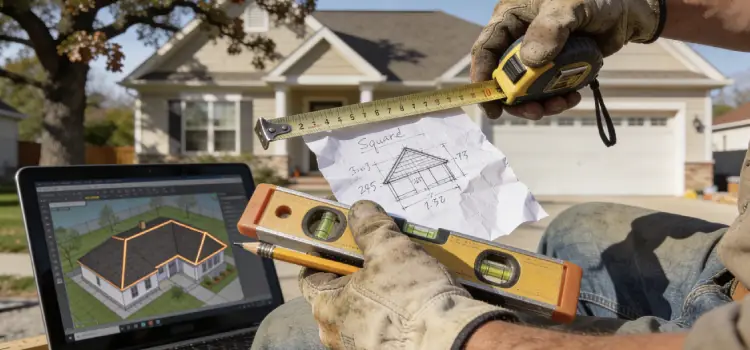
Good pros still know how to use tape, but modern roofing measurement tools can speed up the process and improve accuracy. Manual work starts with a measuring tape and level, a pen, and a sketch. Then the team can calculate plane area in square foot, add totals, convert to roofing square, and convert to square meters for a planning sheet. A roof measurement report should list the square feet totals, the square count, and the bundle count used to build the estimate. It should also note material bundle options and any detail that changes labor.
Digital options help when a structure is complex or tall. Roofing software can build a model from aerial data and calculate surface area, ridge length, hip length, and valley length. It can also calculate a rough roof estimate for roofing material quantities, including bundle count per square, extra bundle for waste, and roofing underlayment rolls. But satellite data has limits in Illinois suburbs: trees, shadows, and tight spacing can hide an edge line or a dormer.
That’s why a contractor still verifies. Boxer Exteriors uses tools, then confirms the measurement with on-site checks, after storms that drive roof damage assessment and roofing insurance claims. The goal is simple: calculate the right square total, order the right material, and deliver roofing estimates that match the actual surface. If the bundle count looks low, the estimate will be low, so a final roof measurement check matters.
From Measurements to Materials and Waste
Once the roof area is known in square meters, pros still measure it in square foot. Contractors use the roofing square. To calculate roofing material quantities, they convert total surface area to square count, then calculate how many bundle are needed. Many asphalt shingles need about three bundle per square, but coverage can change by style, so they measure coverage and adjust the bundle.
A quick routine keeps the math honest: measure the main planes, add the square feet totals, divide by 100 for the square, and calculate bundle totals. Then calculate starter, ridge, and flashing per square, and calculate the roof edge length in foot for drip lines. That turns a rough measurement into a rough material list and an early estimate.
Roofing underlayment follows the same logic. Crews calculate how many rolls cover one square after overlap, then calculate total rolls from the square count. In Illinois, valleys and eaves often get extra protection, so roof complexity and roof slope can increase underlayment area and shift the estimate.
Roofing material waste is not “sloppy work.” It’s geometry. Hips, ridges, and valley cuts create off-cuts, and a steep roof increases cut loss. The waste factor in roofing for many Illinois homes starts near 10%, but it rises with dormers, multiple roof facets, and wide roof overhangs. More detail means more cuts, more waste, and more bundle.
Using Measurements for Cost, Planning, and Insurance
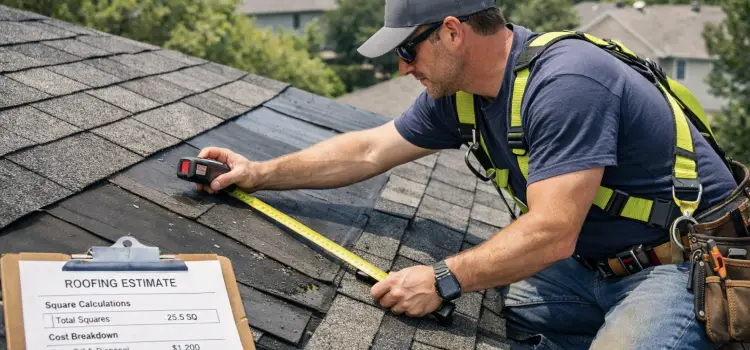
Accurate measurement drives roofing estimates, and every solid estimate starts with a clean roof area. A contractor will calculate square count and roofing square feet costs, then separate roofing labor costs from roofing material costs. Labor changes with roof slope, foot height, safety steps, and complexity. Material costs track the square, the bundle, underlayment, and accessories. A good estimate includes a waste factor so the material order matches the actual roof.
For roofing project planning and roofing job forecasting, numbers must match. If the square total is off, the material arrives short, the schedule slips, and the cost of a new roof climbs. After hail or wind, clear roof square measurement backs roof damage assessment and roofing insurance claims, because an adjuster may compare the reported square, square foot, and area to the actual roof surface. Pros still measure key edges and re-measure one plane to confirm the report and the estimate.
Measure Smart Before You Replace a Roof
DIY can measure and calculate a basic roof area for early planning and a first estimate on a simple layout, then calculate again. When pitch, dormers, or complex planes show up, professional measurement protects the budget. Square-meter accuracy reduces waste and surprises.
Homeowners near Wheaton can call Boxer Exteriors for a free inspection and a professional roof measurement for planning or insurance.
Frequently Asked Questions
What is a roof square and why do contractors use it?
A roof square is a unit of measurement in the roofing industry that simplifies estimating. One roofing square is equal to 100 square feet of roof surface. Instead of juggling large numbers, contractors convert the total square footage into the number of roofing squares. That standard makes it easier to calculate labor, bundles, and waste. When someone hears “many squares,” they’re really hearing how large the roof is in a format crews, suppliers, and estimators all understand.
How does a homeowner measure a roof without climbing up there?
The safest approach is measuring from the ground or attic and working from dimensions. Start by sketching the roof shape and measure the length and width of each section using exterior walls and overhangs. This helps measure your roof in a basic way and estimate square feet of roof. It’s a planning step, not a final number. A roofing professional will still verify everything on-site before materials are ordered.
How do you calculate roofing squares from basic measurements?
First, find the total square footage by multiplying length and width for each roof plane and adding them together. Next, divide that number by 100 square feet. The result is the number of roofing squares needed. This method works because one roofing square always represents the same coverage. Contractors rely on this math to estimate the amount of roofing materials before adjusting for pitch, waste, and roof complexity.
Why does roof pitch change the real roof area?
Roof pitch describes how steep the surface is, and it directly increases surface area. A steep roof pitch stretches the roof beyond its flat footprint, raising the square feet of roof and the number of roofing squares. That’s why pros measure pitch before final numbers. Steeper roofs require more material, more time, and more safety steps. Ignoring pitch leads to shortages and cost surprises during a roof replacement.
How do roofing shingles affect square calculations?
Shingles don’t change the square count, but they change ordering. Most asphalt roofing shingles cover one roofing square with about three bundles, though heavier styles use more. Once the number of roofing squares is known, contractors calculate bundles and add waste. This keeps the amount of roofing materials realistic. Shingle coverage standards are consistent across the roofing industry, which is why square-based math works so well.
Why isn’t roof size always the same as house size?
A home’s footprint ignores slope, overhangs, garages, and porches. True roof size includes every plane and edge. When pros measure, they calculate square feet of roof, not floor area. That difference explains why the number of roof squares can surprise homeowners. Roof geometry adds surface area fast, especially with hips and dormers. Understanding that gap prevents underestimating both materials and labor.
How do contractors know how much roofing material you need?
They start with the number of roofing squares needed, then calculate bundles, underlayment, starter strips, and ridge materials. Each square represents 100 square feet, making it a clean unit of measurement. After that, they add waste based on roof shape and pitch. The final list reflects the true amount of roofing materials, not guesswork. This process keeps deliveries accurate and jobs on schedule.
What makes an accurate roof measurement so important?
An accurate roof measurement protects the budget. If the square footage to determine is wrong, material orders come up short or excessive. That affects labor timing, pricing, and insurance paperwork. Pros double-check planes, pitch, and overhangs to confirm the number of roofing squares. Accuracy isn’t about perfection—it’s about matching the real surface so the estimate holds up once work begins.
How do roofing squares influence roofing costs?
Most roofing costs start with the square count. Labor is priced per square, and materials are ordered per square. As the number of roofing squares rises, so do shingles, underlayment, and labor hours. Steep pitch and complex layouts increase costs further. Clear square math lets homeowners see where money goes and compare bids fairly, instead of guessing why numbers differ.
When planning a roof replacement, who should determine the final measurements?
Homeowners can estimate, but a roofing professional should always determine roof measurements before contracts are signed. Pros verify pitch, edges, and details that affect the number of roofing squares needed. That final check ensures the square feet of roof match the material order and insurance documents. It’s the difference between a smooth project and mid-job corrections that cost time and money.


The team worked efficiently, stayed responsive to phone calls, and were always professional, friendly, and positive. They came highly recommended and truly delivered. We continue to refer them to our friends and neighbors as well.


I highly recommend Boxer Exteriors


Great customer service. Dawn and her team went above and beyond. I highly recommend!!!!!💪🏻💪🏻


The work to the house was handled over two days, one for the roof and another for the siding. No incidents and the end result was seamless. Really came together in the end and have gotten regular compliments on the final outcome.
Overall, couldn’t be happier with my decision to go with Boxer. Professional, trust-worthy, and just overall really good people!