By: Boxer Exteriors • July 8, 2026 • 8 min. read
Find a roofing company in St. Charles after storm damage by checking roof issues, documenting damage, verifying credentials, and comparing repair vs. replacement.
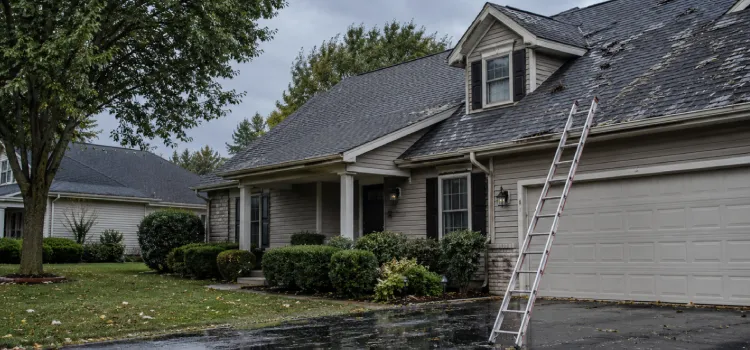
Table of Contents
- 1. Start by Checking for Storm Damage Safely
- 2. Document the Damage Before Repairs Begin
- 3. Choose a Local, Licensed, and Insured Roofing Contractor
- 4. Compare Storm Damage Roof Repair vs Replacement
- 5. Watch for Storm Chaser Roofing Scams and Red Flags
- 6. Choose a Roofing Company That Can Protect the Entire Exterior
- 7. Frequently Asked Questions
Knowing how to find a roofing company in St. Charles after storm damage starts with two things. Homeowners need to spot possible damage early and choose a contractor who is local, licensed, insured, and clear about the process.
After hail, heavy wind, or driving rain moves through St. Charles, a roof may look fine from the driveway. That first look does not tell the whole story. Lifted shingles, bent flashing, loose trim, or a slow attic leak often become larger roof problems if left unchecked. The wrong company can make the situation worse with poor repairs, weak communication, or confusing insurance paperwork.
At Boxer Exteriors, we provide licensed residential and commercial roofing and exterior services from our nearby Wheaton office, serving St. Charles and the wider Chicago metro area.
Start by Checking for Storm Damage Safely
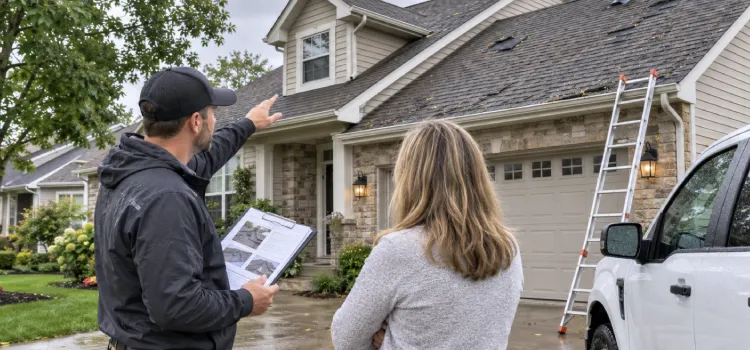
Before calling a roofing company after storm damage, start with a careful ground-level review. Stay off the roof. The yard, driveway, attic, and upper windows usually provide enough visibility to spot early warning signs.
A good first check begins with the shingles. Look for missing, lifted, curled, or creased areas. Check gutters and downspouts for dark granule buildup, especially after hail or hard rain. Around chimneys, vents, valleys, and skylights, bent flashing or open seams deserve attention because these weak points are common places where water gets in.
Inside the home, ceiling stains, damp attic decking, musty air, or daylight showing through the roof decking are more serious warning signs. These issues point to possible water intrusion, not just surface wear.
The rest of the exterior also needs a look. Loose siding, dented gutters, damaged fascia, cracked window trim, and branch impact marks often show the direction and force of the storm. A roof inspection that ignores those areas misses part of the story.
A proper storm-damage roof inspection should look at the full pattern of damage, including shingles, flashing, gutters, fascia, siding, windows, the attic, and interior water marks. That gives the contractor a clearer basis for repair recommendations and helps the homeowner understand whether the issue is isolated or part of a wider exterior problem.
| Area to Check | What Homeowners May Notice | What It Could Mean |
|---|---|---|
| Shingles | Missing, lifted, curled, creased, or bruised shingles | Wind or hail damage may have weakened the roof surface |
| Gutters and Downspouts | Dents, loose sections, poor drainage, or dark granule buildup | Hail impact, shingle granule loss, or drainage problems |
| Flashing, Chimneys, Vents, Valleys, and Skylights | Bent flashing, open seams, gaps, or loose metal | Common water-entry points after wind or heavy rain |
| Attic | Damp decking, musty smell, daylight through roof boards | Possible water intrusion or roof deck exposure |
| Ceilings and Interior Walls | Stains, bubbling paint, or damp spots | Water may already be entering the home |
| Siding, Fascia, and Window Trim | Loose siding, dented fascia, cracked trim, branch marks | Storm damage may affect the wider exterior, not only the roof |
| Emergency Signs | Active leak, exposed decking, large missing shingle areas, fallen limb damage | Immediate protection may be needed before permanent repair |
Call for emergency roof repair when water is entering the attic, roof decking is exposed, large shingle sections are missing, or a fallen limb has punctured the surface. Active leaks call for a faster response than cosmetic concerns.
A dependable local company should be able to inspect the roof, gutters, fascia, siding, and windows together. That full-system view helps separate minor storm damage roof repair from problems that may affect warranty protection, long-term durability, and insurance documentation.
Document the Damage Before Repairs Begin
Before any roof work starts, get a record of the house as it looked right after the storm. A phone camera is enough. Wide shots, close shots, a few short videos, and one saved folder with the storm date will usually give the contractor a much better starting point.
To document storm roof damage, start outside from the ground. Take photos of missing shingles, dented gutters, loose siding, bent fascia, cracked window trim, downspout problems, and debris marks from hail or branches. Then check inside for attic stains, damp decking, ceiling spots, or signs of an active leak.
The roof is usually the obvious concern, but it rarely tells the whole story by itself. Wind pulls at siding. Hail marks gutters and fascia. Water slips behind trim and shows up later as a stain indoors. A wider photo set connects those pieces before repairs begin.
Also write down the storm date, approximate time, hail size if known, wind conditions, and when the damage was first noticed. Keep receipts for tarping, temporary leak protection, or emergency repairs in the same place.
Good documentation helps during insurance conversations, but it does not decide coverage, but it does not decide coverage. A roofing contractor can document roof conditions, explain inspection findings, and prepare a roofing estimate after storm damage. The insurance carrier makes the coverage decision.
Choose a Local, Licensed, and Insured Roofing Contractor
After a major storm, St. Charles homeowners may see two very different types of roofing help. One is a nearby company with a real address, local reviews, and a track record in the western suburbs. The other is a temporary crew following storm-related work from town to town.
A local roofing company in St. Charles or nearby Wheaton, Geneva, Naperville, Batavia, or Glen Ellyn is usually easier to verify and easier to reach later. That follow-up matters when a roof needs a warranty question answered, a gutter checked, or a small issue reviewed after the first heavy rain.
Regional experience also helps during the inspection. Roof systems in this part of Illinois deal with hail, wind-driven rain, freeze-thaw cycles, attic ventilation issues, ice and water protection, and flashing weak points around chimneys, skylights, and valleys. A roofer who works here regularly is less likely to treat every roof like the same standard job.
Before scheduling work, check the basics. Look for license and insurance information, residential and commercial roof experience, a written inspection process, a written estimate, warranty terms, local references, manufacturer certifications, cleanup standards, and financing options if budget timing is tight.
We are based at 130 W Liberty Dr, Suite 200, Wheaton, IL 60187, and provide roofing and exterior services for St. Charles and the wider Chicago metro area. We have been BBB accredited since 2023, are an Owens Corning certified contractor, and have 100+ positive Google reviews. We also offer free inspections and flexible financing.
A dependable contractor earns trust with clear paperwork, steady communication, and a roof plan based on the inspection, not a quick promise after a storm.
Compare Storm Damage Roof Repair vs Replacement
Choosing between repair and replacement is not just a price question. The right choice depends on roof age, impact pattern, decking condition, ventilation, workmanship coverage, and budget.
Repair is usually the cleaner path when the problem is isolated. A few missing shingles, a small flashing gap, one minor leak, or limited gutter and fascia issues often point to a focused roof repair. On a newer roof, that approach protects the home without turning a manageable issue into a full project. Emergency roof repairs make sense when a temporary patch, tarp, or leak stop is needed before permanent work begins.
Replacement is worth discussing when the storm left widespread bruising or repeated weak points. Large areas of lifted shingles, hail marks across multiple slopes, soft decking, poor attic airflow, or trouble around flashing and underlayment point beyond a small fix. When gutters, fascia, and siding were hit at the same time, the exterior system deserves a closer look.
A repair costs less upfront, which makes it attractive when the problem looks limited. The trade-off comes later if an older or poorly ventilated roof keeps getting patched. Those smaller fixes can turn into a cycle of short-term spending.
A replacement costs more, but it gives the house a fresh system with new flashing, updated underlayment, better ventilation, cleaner edges, and stronger long-term protection.
After storm damage, a roofing estimate should explain both options. We offer a 10-year workmanship warranty on full roofs, which gives homeowners another point to consider when comparing repair cost against long-term value. For some homes, the smaller fix is enough. For others, replacement is the more dependable decision.
Watch for Storm Chaser Roofing Scams and Red Flags
After hail, wind, or hard rain, St. Charles homeowners often hear the doorbell before they have time to inspect the house. Some crews are local. Others are temporary crews moving from neighborhood to neighborhood after major weather events. Storm chaser roofing scams become a real concern in those moments.
The biggest red flags after a storm are pressure tactics, missing proof of insurance, vague estimates, no local address, weak warranty terms, and promises that sound too easy.
Watch for these warning signs:
- Door-to-door pressure right after the event
- “Today only” pricing
- No local address
- No proof of license or insurance
- A vague or verbal estimate
- Large upfront payment request
- No written workmanship terms
- A promise to “cover” or “waive” the deductible
- No clear timeline
- Poor cleanup plan
- No explanation of materials, ventilation, flashing, or permits
A dependable, licensed, and insured roofing contractor should put the details in writing. A clear estimate lists inspection findings, repair or replacement scope, materials, flashing, underlayment, ventilation, decking notes, cleanup, payment terms, timeline, and roofing warranty after storm repair.
It also covers gutter, siding, fascia, or window-related issues when those areas were hit. Weather rarely follows neat service categories. Hail dents metal. Wind pulls at siding. Water enters through weak trim, valleys, or flashing. A company that looks only at shingles risks missing the larger exterior problem.
If insurance documentation is part of the project, the paperwork keeps the facts organized without making it sound like the contractor decides coverage.
A local company is easier to find again after the work is complete. That follow-up has value if the first heavy rain raises a question, a gutter starts draining poorly, or the homeowner wants a follow-up later.
Choose a Roofing Company That Can Protect the Entire Exterior
Exterior problems after severe weather are often bigger than one missing shingle. The right company understands roofing, gutters, siding, fascia, windows, ventilation, property protection, and workmanship details as parts of one connected exterior system.
For homeowners in St. Charles, we provide roof inspections, storm damage repairs, roof replacement, emergency roof repairs, roof ventilation, gutter services, siding and fascia work, and window services from our nearby Wheaton office.
Scheduling a free inspection helps homeowners find a clear path before choosing repair, replacement, or the next step with insurance.
Frequently Asked Questions
What should a roofing contractor check after storm damage?
A good roof inspection looks beyond the shingles. A proper damage assessment includes shingles, flashing, gutters, fascia, siding, windows, attic decking, and interior water stains. Homeowners who want to know how to spot roof damage after a storm can start from the ground by checking for lifted shingles, granules near downspouts, bent flashing, stains, and debris marks. A local roofer then confirms whether the issue calls for storm damage repairs or a larger exterior review.
What should homeowners document before filing an insurance claim?
Before filing an insurance claim, homeowners should take wide photos, close-up photos, and short videos of the roof and surrounding exterior. Include gutters, siding, fascia, windows, downspouts, attic stains, and ceiling marks. Write down the storm date, approximate time, hail size if known, and when the issue first appeared. Good documentation helps support the roof damage record, but the insurance company still decides coverage. The claim process also depends on the homeowner’s specific insurance policy.
How can hail damage affect more than shingles?
Hail damage commonly appears as shingle bruising, granule loss, dented gutters, dented or marked fascia, or small impact damage around trim and vents. The type of damage depends on hail size, roof age, roof slope, and the existing roofing materials. Asphalt shingles may lose protective granules, while metal roofing may show dents or finish marks. Even when the roof looks intact from the driveway, hidden damage can lead to water intrusion later.
What wind damage is easy to miss?
Wind damage is not always dramatic. Wind damage may show up as lifted shingles, loosened flashing, open seams, pulled siding, displaced trim, or small gaps around valleys and skylights. Wind-driven rain can enter through those weak points before a homeowner notices a leak. The roof’s size and complexity also affect how much area needs to be checked, especially on homes with multiple slopes, chimneys, dormers, or connected gutter sections.
How do homeowners choose a contractor after a storm?
Immediately after a storm, choosing a roofer starts with verification, not speed. Look for a real local address, proof of license and insurance, clear estimates, written warranty terms, and steady communication. Temporary crews often move through neighborhoods during storm season, so local accountability becomes important. The right professional explains the inspection, cleanup, payment terms, materials, and timeline without pressure. A smoother storm-repair process starts with clear paperwork, not a rushed promise at the door.



Tony and Judy Lavarda, Napervile, IL

The team worked efficiently, stayed responsive to phone calls, and were always professional, friendly, and positive. They came highly recommended and truly delivered. We continue to refer them to our friends and neighbors as well.


I highly recommend Boxer Exteriors


Great customer service. Dawn and her team went above and beyond. I highly recommend!!!!!💪🏻💪🏻