By: Boxer Exteriors • February 3, 2026 • 11 min. read
Roof types decide how well your home sheds snow, resists wind, and avoids ice-dam leaks in Illinois. Pick the wrong design and costs and repairs jump fast year after year.
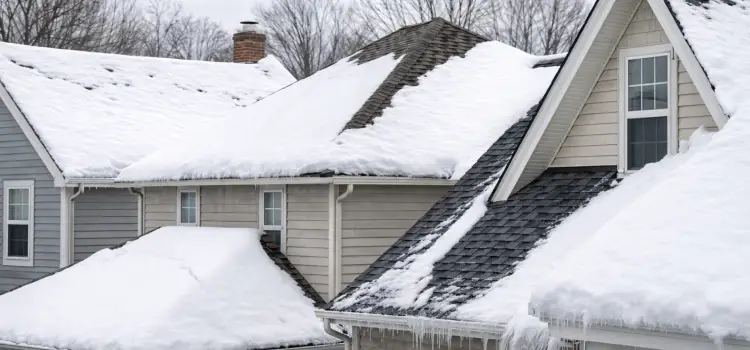
Table of Contents
- 1. How Roof Shape Affects Performance and Longevity
- 2. The Most Popular Roof Shapes for Residential Homes
- 3. Complex Roof Designs and Their Tradeoffs
- 4. Flat and Single-Plane Roofs: When They Work and When They Don’t
- 5. Matching Roofing Materials to Roof Type
- 6. Roof Aesthetics, Color, and Architectural Fit
- 7. Choosing the Right Roof Type for an Illinois Home
- 8. The Best Roof Type Is the One That Works Where You Live
- 9. Frequently Asked Questions
When homeowners understand roof types, each type choice becomes a performance choice and a design choice, not just a style choice. Type-by-type, design-by-design, style-by-style keeps costs honest.
Common roof designs are gable, hip, and hybrid type shapes. Each type changes shape, roof drainage, and material design cost, and each type limits shingle and material options.
How Roof Shape Affects Performance and Longevity
Roof shapes and styles control shedding. A steep slope roof sheds fast; a low-slope roof holds water, so design details must be tighter. Roof slope ratio is “rise over run.” A 6:12 slope ratio means 6 inches up for every 12 inches across. That slope guides shingle layout, shingle edge design, shingle underlayment choices, and the material design.
Roof planes drive leaks. Every plane change (valley, dormer, chimney, or side wall) adds joints and cuts. More planes mean more flashing and maintenance on each side. Ice can push water to the wrong side of a joint, and a complex type plus a busy shape change (any shape change) raises risk. A simpler type with fewer planes often delivers longer roof lifespan in Illinois because drainage stays clear and each material transition stays tight.
The Most Popular Roof Shapes for Residential Homes
In many neighborhoods, the most popular roof shapes are gable variations because the shape is efficient and the style is easy to repair. A gable roof has two planes meeting at a ridge, draining to each side. Gable roof pros and cons are predictable: this type is affordable to frame, takes a standard shingle pattern, and supports material upgrades; this type can struggle in high wind on the gable end and street side.
A jerkinhead roof is a clipped gable style; this type lowers wind load but adds cuts and design-by-design cost. A Dutch gable roof (Dutch roof) blends hip and gable; the hybrid type keeps a familiar shape and slope while adding attic appeal. An inverted gable roof is a bold style, yet this type can trap water if the drainage design is weak. A saltbox roof extends one side, giving strong shedding on the long plane and a clean style with material and solid shingle performance.
Complex Roof Designs and Their Tradeoffs
Roof complexity isn’t a vibe. It’s math. The more valleys, dormers, intersecting planes, and tricky transitions a roof design has, the more cuts the crew makes, and the more flashing points must stay perfect. That’s why roof complexity raises leak risk and labor cost. A complex roof type can look great from the street, but the roof performance and design impact usually shows up later in maintenance and repairs.
Multiple slopes also change roof drainage. Water always looks for the fastest path downhill, and snow melt loves to creep under a shingle edge when it refreezes. Each slope change creates a slow spot, and each slow spot becomes a “watch this” area in Illinois winters. Those are the real-world roof design advantages and disadvantages: a complex architectural roof design can add character and living space, but it demands better installation and ongoing care.
Gambrel roof benefits are real. This barn-style type creates usable attic room and more headroom without adding a full second floor. On the right house, the shape is a smart option. The tradeoff is that the lower slope sections and the transition points add complexity. That means more flashing detail, more shingle cuts, and more spots where wind-driven rain can find a path.
Mansard roof challenges are even sharper in a snow climate. This French-style type uses a steep lower side and a flatter upper roof plane. That upper plane can hold snow and water, and freeze-thaw cycles punish any weak drainage design. It can work, but it’s not forgiving. When homeowners compare pros and cons of roof types, mansard style often lands in the “high maintenance unless everything is built right” category.
Flat and Single-Plane Roofs: When They Work and When They Don’t
Flat roof construction is common on commercial buildings, and it shows up on some modern homes and additions. The trick is that “flat” roofs are never truly flat. Every flat roof type needs slope (often small, but present) so water moves to a drain, scupper, or gutter. Without that slope ratio built into the structure, roof drainage fails, and standing water turns into leaks.
Illinois freeze-thaw cycles are hard on this roof style. Water finds tiny openings, freezes, expands, and opens them more. Then spring rain arrives. That’s why maintenance matters: keep drains clear, watch seams, and repair small damage before it becomes a full replacement. A flat roof can be durable, but it demands attention and the right material system.
Shed roof and shed roofs are popular for modern additions because the single-plane shape is simple and affordable to frame. The style also fits many suburban homes when the design is proportional. A single-plane roof has fewer transitions, fewer valleys, and fewer tricky planes, so leak risk can drop. But that doesn’t mean “no worries.” The slope still has to be adequate for the chosen shingle or metal system, and the side wall connection has to be flashed correctly.
Matching Roofing Materials to Roof Type
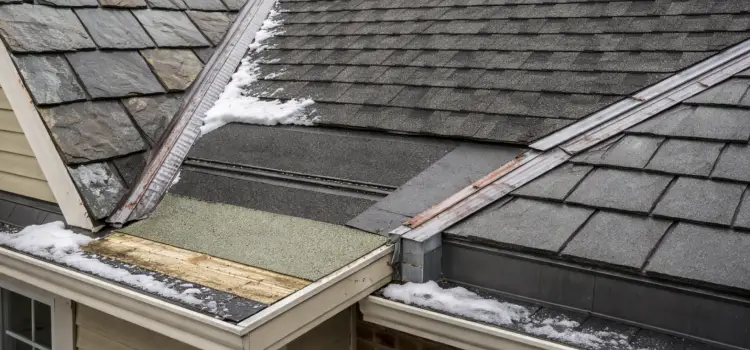
Choosing roofing materials is never separate from roof shape. Roofing materials by roof type comes down to slope, drainage speed, and complexity. A simple gable roof with a steady slope gives more material options than a chopped-up design with multiple planes and valleys.
Asphalt roofing shingles slope requirements matter. Asphalt shingle systems need enough slope to shed water fast; the lower the slope, the more the installation details and underlayment matter. That’s why a low-slope roof type often pushes the conversation toward alternative systems or upgraded layers under the shingle.
Wood shingles still make sense on certain homes, especially when the architectural style calls for that classic look. The roof type should be simple, the slope should be steeper, and ventilation should be correct so the material can dry. Wood is not a “set it and forget it” shingle choice, but it can be durable in the right design.
Slate roof benefits show up on steep slope roof shapes with clean planes. Slate is heavy, durable, and can deliver an impressive roof lifespan when the structure can handle the weight and the design stays simple. Complex roofs drive up slate labor fast, because every cut is costly.
Metal shingles can work well on complex roofs or on a roof type where wind and snow shedding are priorities. Metal is lightweight and effective, and it often handles tricky roof planes with fewer failure points than some shingle layouts if it is installed correctly.
Terra-cotta roofing is structurally realistic only when the framing is designed for the weight. It’s an ancient material with appeal, but in the Chicago area it has to match the roof design, slope, and structure. That’s where Boxer Exteriors’ free inspection helps: the contractor can review the roof type, the slope, and the material choice, then back the work with a long-term workmanship warranty.
Roof Aesthetics, Color, and Architectural Fit
Roof aesthetics matter, but only after the roof type works. A smart architectural roof design can lift resale value because buyers read the roof line as “this house was cared for.” The catch is that roof design aesthetics must stay tied to durability. Illinois wind and snow don’t care about style, and a roof shape that looks great but drains poorly will age fast.
Historic homes usually want a traditional roof style that matches the original architecture. A simple gable roof, a clipped jerkinhead roof, or a clean Dutch gable roof (Dutch roof) often fits better than a modern inverted gable roof shape. Modern homes can handle a bolder roof type, but the roof performance and design impact still comes down to slope, planes, and drainage.
Selecting shingle colors for roof design is more than taste. Color affects heat absorption and aging. Dark shingle color can run warmer in summer sun, and that can add stress to the shingle and the materials under it. Lighter color can reduce heat buildup, but it still has to match the house and the neighborhood. Many homeowners also have HOA rules, so a roof type and a shingle style choice may need to stay within a specific range. Consistency matters on the street side, especially in tight suburban neighborhoods where the most popular roof shapes repeat block after block.
Choosing the Right Roof Type for an Illinois Home
Choosing the right roof type starts with climate. Snow load, ice dams, and wind narrow the smartest roof types fast. A steep slope roof usually sheds snow better than a low-slope roof, and a clean slope ratio helps roof drainage. Fewer roof planes also reduce leak risk, because each plane intersection is a maintenance spot.
When homeowners compare the pros and cons of roof types, they should weigh roof complexity against repair reality. A simple gable roof is popular because the shape is affordable, the design is familiar, and repairs are straightforward. Gable roof pros and cons are known: great drainage and simple planes, but wind can hit the gable end hard. Saltbox roof and shed roof shapes can work well for drainage, but the style must fit the house and the side wall flashing must be perfect. Complex roof designs can add attic space (gambrel roof benefits show up there) but mansard roof challenges and other complex types often mean higher long-term maintenance.
Roofing materials by roof type matters as much as the shape. Asphalt roofing shingles slope requirements can limit low-slope choices. Slate roof benefits show up on steep, simple shapes with strong structure. Metal shingles can handle wind and shedding well on many shapes. Wood shingles and terra-cotta roofing can be great, but the roof type, structure, and installation have to match the material.
Professional evaluation matters before committing. Boxer Exteriors offers free inspections across Wheaton and nearby suburbs, and their approach is practical: check the roof type, slope, planes, drainage, and material condition, then recommend a design that fits the house and the climate. Their long-term workmanship warranty makes that decision easier to live with.
The Best Roof Type Is the One That Works Where You Live
There is no single best roof type, only informed choices. The right roof design fits Illinois weather, matches slope and drainage needs, and supports the material system. Homeowners should think long-term, not just about roof aesthetics. A clear inspection and a realistic plan beat guessing every time.
Frequently Asked Questions
How does the type of roof affect performance in Illinois weather?
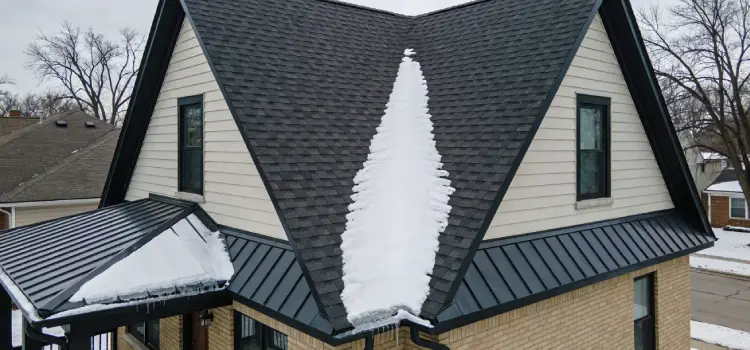
In Illinois, the type of roof is less about looks and more about survival. Snow load, ice dams, and freeze-thaw cycles punish weak designs. A well-built roofing system with proper slope sheds water before it refreezes. For many homes, a hip roof or hipped roof handles wind better than exposed gable ends. The right choice balances drainage, structure, and repair access. Pick wrong, and even good materials struggle. Pick right, and maintenance stays predictable for decades.
Why do roof shapes matter more than most homeowners think?
Roof shapes control how water, snow, and ice move. That movement decides whether a roof ages gracefully or leaks early. Simple shapes drain faster and stay cleaner. Complicated designs introduce valleys that slow water and invite ice buildup. A hip roof distributes load evenly, while sharp transitions or a decorative curve can trap debris if not detailed correctly. In practice, fewer planes mean fewer failure points. Shape is not style fluff. It is physics working overhead.
What are the real tradeoffs between common types of roof designs?
Types of roof designs all trade beauty for complexity. Straightforward designs shed water efficiently and cost less to maintain. Hybrid layouts add visual interest but increase flashing and labor. A hipped roof improves resistance to strong wind, but costs more to frame. Designs with dramatic slope changes or decorative features need precision. If the roofing system isn’t installed perfectly, small mistakes show up years later as leaks. Complexity demands commitment, not shortcuts.
When does a gable roof make sense and when does it fail?
A gable roof works best when simplicity is the goal. It drains well, uses standard materials, and repairs are straightforward. Problems show up in areas with strong wind hitting the gable end, especially on wide street-facing homes. Compared to a hip roof, gables have more exposed edges. That does not make them bad. It just means the type of roof must match the site conditions. Proper bracing and installation matter more than the shape alone.
How should homeowners evaluate roof style versus durability?
Roof style should follow performance, not the other way around. Flashy designs age fast if drainage is weak. A practical roofing system supports long-term durability while still fitting the home’s architecture. Curves and dramatic lines look good on paper, but every extra angle adds maintenance. In cold climates, proven styles like a hipped roof outperform trend-driven layouts. Smart homeowners choose a style that drains cleanly and stays repair-friendly over its full lifespan.
How does shingle choice depend on roof slope and design?
A shingle works only within its design limits. Low slopes demand extra underlayment, while steep slopes shed water naturally. Asphalt shingles need enough pitch to drain quickly. On complex designs, installers must cut and seal carefully to protect the roofing system. Metal shingles handle transitions better, especially in snow zones. The type of roof decides which shingle lasts longest. Materials do not fail randomly. They fail when they are used where they do not belong.
Is a flat roof a smart option for residential homes?
A flat roof can work, but only with discipline. “Flat” still needs slope to move water. Drains must stay clear, and seams require regular inspection. In Illinois, freeze-thaw cycles stress every joint. Compared to a pitched type of roof, maintenance demands are higher. The upside is clean lines, modern design, and potential environmentally friendly upgrades like solar or reflective coatings. Flat roofs reward attention and punish neglect. There is no middle ground.
What should homeowners know before choosing a mansard roof?
A mansard roof adds space but tests patience. The steep lower section sheds water well, but the upper plane often holds snow. That creates ice risk unless drainage is flawless. This type of roof demands excellent detailing and frequent checks. It’s not forgiving. If built perfectly, it performs. If corners are cut, problems follow fast. Mansards look elegant, but they’re maintenance-heavy compared to simpler alternatives in harsh winter climates.
Why do some homeowners choose a gambrel roof?
A gambrel roof delivers space efficiently. This barn-inspired design creates headroom without a full second story. It’s popular for homes needing usable attic space. The tradeoff is complexity at slope transitions. More joints mean more flashing. Wind-driven rain can exploit weak spots if installation is sloppy. Structurally, it’s sound when engineered correctly. The design works best when owners accept that added space comes with higher inspection and maintenance responsibility.
Are slate roof systems worth the investment?
A slate roof can outlast generations when installed on the right structure. Slate needs steep slopes, strong framing, and a simple layout. On complex roofs, labor costs rise fast. The payoff is durability, fire resistance, and timeless appearance. Slate works best as part of a complete roofing system, not a cosmetic upgrade. It’s not environmentally friendly by trend standards, but longevity reduces replacement waste. For the right home, slate is hard to beat.


The team worked efficiently, stayed responsive to phone calls, and were always professional, friendly, and positive. They came highly recommended and truly delivered. We continue to refer them to our friends and neighbors as well.


I highly recommend Boxer Exteriors


Great customer service. Dawn and her team went above and beyond. I highly recommend!!!!!💪🏻💪🏻


The work to the house was handled over two days, one for the roof and another for the siding. No incidents and the end result was seamless. Really came together in the end and have gotten regular compliments on the final outcome.
Overall, couldn’t be happier with my decision to go with Boxer. Professional, trust-worthy, and just overall really good people!