By: Boxer Exteriors • Mar 2, 2026 • 10 min. read
A roof is a layered system. Learn the key parts: deck, underlayment, flashing, ventilation, and drainage. That keep Illinois homes dry in harsh weather.
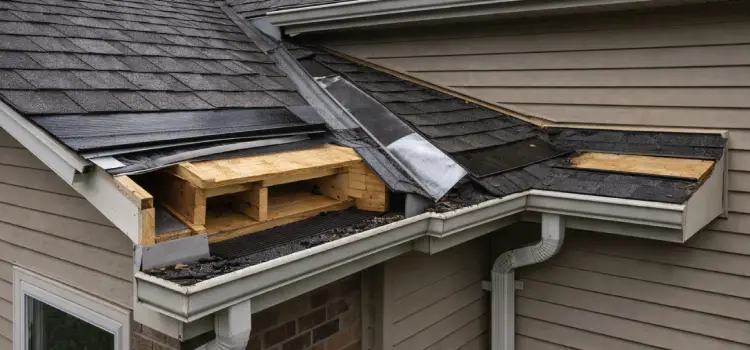
Table of Contents
- 1. Roof Geometry: Ridges, Hips, Valleys, and Where Water Tries to Win
- 2. Structural Framework: The Load-Bearing Bones Under the Roof
- 3. Decking and Sheathing: The Base Layer That Holds Everything
- 4. Underlayment and Secondary Water Barriers: The Roof’s Backup Plan
- 5. The Roof Covering: The Outer Layer You Actually See
- 6. Frequently Asked Questions
The easiest way to understand a roof is to see it as a system, not a pile of parts. A pitched roof is a set of layers and details with one job: keep water out.
In simple terms, think of the roof as a stack. The visible outer layer is the roof covering: shingles, tile, metal, or slate. In Illinois, asphalt is most common, including architectural shingles. Shingles are important, but they’re not the whole roof. Under them is the underlayment, a backup layer that protects the deck when wind-driven rain gets past the shingles. Many crews use synthetic underlayment today because it’s tougher and safer to walk on. In Illinois, ice and water shield is especially important at eaves and valleys.
Below that is the structure. Homeowners often mix up structure with waterproofing. The framing comes first, then the roof deck (plywood or OSB). If the deck is soft, nails can loosen and flashing can’t hold the way it should.
Leaks usually start at transitions and edges. That’s where fascia, soffit, and drip edge flashing matter. Flashing also includes step flashing at walls and valley flashing where water concentrates. Ventilation is part of the system too: soffit intake and ridge exhaust. One blocked vent can trap moisture, stress the attic, and shorten shingle life. Finally, water has to leave the roof quickly through gutters and downspouts.
Illinois weather exposes weak roofs fast. Freeze-thaw cycles, snow load, wind-driven rain, ice dams, and big temperature swings punish sloppy installation and cheap materials.
Roof Geometry: Ridges, Hips, Valleys, and Where Water Tries to Win
Start at the ridge, the horizontal peak where the roof planes meet. It’s capped with ridge cap shingles and it sets the “high line” of the roof.
Next are the outside corners. Hips are the angled intersections that wrap outward. A hip roof has more edges than a simple gable, which means more seams to protect and more spots where flashing and underlayment have to be right.
Inside corners are the real danger zone. Valleys are the inward channels where roof planes meet, and they collect water, slush, and debris. That’s why valley flashing and ice and water shield matter so much.
End walls matter too. On a gable roof, the gable end creates that triangular wall section. Even though it looks simple, the edge still needs drip edge flashing, solid underlayment coverage, and clean shingle lines.
Then there are roof-to-wall transitions, often called abutments. This is where step flashing problems start. Add a dormer or skylight and the flashing details matter even more, along with clean shingle cuts and balanced venting.
Structural Framework: The Load-Bearing Bones Under the Roof
A roof only controls water as well as the structure holding it up. When homeowners hear “new roof,” they usually think shingles and underlayment. Those layers matter, but they’re not the skeleton. The framing is the backbone. If it’s weak, everything above it works harder, and small issues show up fast at ridges, valleys, and edges.
Most homes in Illinois use one of two framing systems: rafters or trusses. Either way, the job is the same: carry the load, keep the roof planes straight, and hold the deck flat so shingles, underlayment, and flashing can do their job.
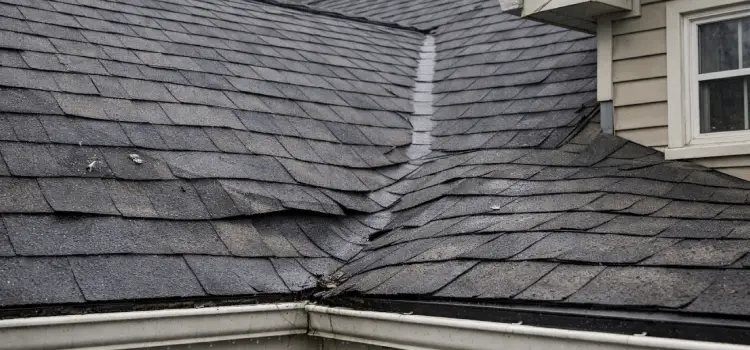
Rafters are the older approach. They run from the ridge down to the eaves or wall plate. When rafters are straight and properly spaced, the deck stays flat, shingle lines look clean, and details like drip edge sit tight. When rafters are over-spanned, twisted, or spaced inconsistently, the roof surface can turn wavy. Homeowners may notice uneven lines at the ridge or a dip near a valley. That’s a structural clue, not just “ugly shingles.”
Trusses are the modern option: prefabricated triangular frames that install quickly and carry loads well. A truss roof can be very consistent when it’s set plumb and braced correctly. The downside is flexibility. Trusses are not meant to be cut or altered. Changing a member can affect load paths and show up later as ridge sag, drywall cracks, or movement near gable areas. The parts you can’t see still affect the parts you can.
Then there are the tie-ins, like ceiling joists and other ties that resist outward push at the exterior walls. If those connections are missing or poorly done, the roof can try to “flatten.” That movement can show up at wall joints, step flashing, and even valleys where water concentrates.
Wide spans sometimes need beams or interior bearing lines, especially in open floor plans. If that support is missing or undersized, the deck can sag in the middle, and the first thing a homeowner sees is the shingles reacting to it.
One more thing: a ridge board mostly aligns rafters. It isn’t automatically a load-bearing ridge beam. If the ridge is sagging, the fix usually isn’t “better ridge cap shingles.” It’s figuring out what’s supporting that ridge and whether it was built to carry the load.
Illinois weather makes this practical, not theoretical. Heavy, wet snow exposes weak framing. A roof that’s barely adequate on paper can start to show stress after years of snow, ice, and big temperature swings. That’s why a good inspection looks at structure, not just shingle wear.
Decking and Sheathing: The Base Layer That Holds Everything
Move up one layer to the base layer. The roof deck (also called sheathing) is the structural layer that everything fastens to. It’s usually plywood or OSB. Shingles, underlayment, and flashing all rely on it. If the deck is soft, fasteners don’t hold and problems start cascading.
Deck damage usually comes from long-term leaks or trapped moisture. Water that sneaks past flashing at a wall, valley, dormer, skylight, or gable detail can soak the sheathing over time. The result is rot, warping, and weak holding power. Nails that once grabbed solid wood start to loosen. Shingles lift, ridge caps crack, and the roof can look worn out before its time.
Homeowners can spot clues without climbing on the roof. Inside, look for stains that track downhill from a ridge or valley. Outside, look for sagging or “dished” shingle lines, popped nails, and uneven roof planes. A spongy feel underfoot is the classic sign, but by then the deck is already compromised.
This is where structure and waterproofing meet. Underlayment and ice and water shield are important backup layers, but they can’t fix bad decking. If the sheathing is damaged, the right repair is to replace the weak sections, restore a solid base, and rebuild the roof the right way.
Boxer Exteriors in Wheaton handles the full system, from deck evaluation to shingles, flashing, ventilation balance, and gutters and downspouts. That whole-picture approach matters in the Chicago suburbs because the weather punishes weak spots fast.
Underlayment and Secondary Water Barriers: The Roof’s Backup Plan
One of the most important parts of a roof is also the one you never see. Underlayment sits on top of the roof deck and acts as a secondary water barrier. If wind-driven rain gets under shingles, or a storm damages the ridge, underlayment helps keep water out long enough to prevent interior damage and give you time to fix the roof.
Most roofs use one of two types. The traditional option is felt. It’s familiar and inexpensive, and it can work, but it can also wrinkle when wet, tear under foot traffic, and break down faster over time. Those wrinkles are not just cosmetic. They can telegraph through the shingles and change how water sheds across the roof.
The newer option is synthetic underlayment. It’s tougher, safer to walk on, and more tear-resistant. Contractors like it because it stays flatter during installation and performs better when the roof covering is temporarily compromised. The goal is simple: reliable backup protection over the deck.
You may also hear terms like WRB (water-resistive barrier). Do not overthink it. Underlayment is the backup layer. It is not a substitute for proper flashing, ventilation, or solid decking.
In Illinois, one upgrade is close to non-negotiable: ice and water shield. It is a self-sealing membrane installed in high-risk areas, especially along the eaves and in valleys, where ice dams, slush, and wind-driven rain expose weak details. When water backs up, it’s often the last line of defense before the deck.
Some insurance programs also recognize a “secondary water barrier” and may offer a credit. When that applies, it only counts if the system is installed continuously and correctly, not as a few isolated patches.
The Roof Covering: The Outer Layer You Actually See
The roof covering, whether shingles, tile, metal, or slate, is the layer exposed to sun, hail, wind, and big temperature swings. It’s also what most homeowners think of when they hear “roof replacement.” That makes sense, but it’s only the top layer, not the whole system.
On most homes, the default is asphalt shingles. Three-tab shingles are the basic option: uniform, affordable, and common, but thinner and less forgiving in rough weather. Architectural shingles are the most popular upgrade. They’re thicker, create deeper shadow lines, and usually hold up better. Above that are designer or luxury shingles that mimic slate or cedar shake. They can add curb appeal, but the layers underneath still determine how the roof performs.
There are other options too. Tile can be clay or concrete. Metal panels can last a long time and may help with energy performance. Slate is extremely durable, but it demands the right structure. And on low-slope sections, you’ll often see membranes like TPO or EPDM even when the rest of the roof is pitched.
In Illinois, the covering takes the beating, but underlayment, flashing, decking, ventilation, and drainage determine whether the house stays dry at ridges, valleys, and edges.
Boxer Exteriors offers free inspections in Wheaton and the Chicago suburbs, with a focus on common failure zones like valleys, penetrations, eaves, and ventilation balance. You will get a clear explanation of what is being replaced across the full system, not just “new shingles.”

Frequently Asked Questions
How does roof anatomy help with understanding the anatomy of a leak-prone roof?
A good overview starts with the anatomy of a pitched roof: the outer covering, the backup barrier beneath it, and the base layers that support everything. When you see the roof as roof layers and components, it is easier to spot why problems show up at edges, transitions, and high-flow zones. This approach also clarifies the common parts of a roof that work together, rather than treating shingles as the entire solution.
Which roof parts are considered the core components of a roof on Illinois homes?
Most homeowners notice shingles first, but the different parts of a roof include the deck, protective membranes, metal details, and airflow paths. Each roof component has a specific job, and failures usually happen where those jobs overlap. Think in terms of roof system components: covering, underlayment, ice barrier, flashing, ventilation, and drainage. When those pieces match and connect correctly, performance improves across the whole roof.
What is a roof system, and why is it more than shingles?
A roof works best when the covering and the hidden layers are designed as a complete roofing system. The visible surface is just one roofing material choice, and that choice should fit the home’s slope, exposure, and goals. The right type of roof setup also depends on how water moves off the planes and where backup protection is needed. That is why good planning focuses on details, not just the top layer.
Why is a valley one of the highest-risk spots for water problems?
This area concentrates runoff, slush, and debris, so the roof valley needs extra protection compared to open roof fields. Most chronic roof leaks start when the metal detail or membrane coverage is incomplete, shifted, or nailed poorly. A properly built roof flashing system routes water onto the shingle surface and away from seams, while ice barrier protection keeps backup water from reaching wood when winter conditions force water uphill.
What should homeowners know about roof structure before starting work?
Even the best surface materials rely on a stable frame, whether the home uses rafters or a roof truss layout. If support is undersized or altered, you can see distortion near the peak of the roof and along major lines where planes meet. That is why any roofing project should include a framing and support check, especially in snow-heavy regions where long-term loading can reveal weaknesses over time.
What is the roof deck, and what happens when it gets soft?
The deck is the base that fasteners grip, and it is often plywood or OSB roof sheathing. When moisture has been present for a while, the wood can lose holding power, which leads to lifted shingles and loose metal details. At that point, a surface patch rarely solves the cause. Targeted roof repair typically means removing the affected area, replacing weakened wood, and rebuilding the protective layers above it so fasteners can bite into solid material again.
What should a roof inspection include in a climate like Illinois?
A solid inspection looks beyond the surface and checks for early warning signs that point to bigger issues. A qualified roofing contractor will evaluate drainage, ventilation balance, decking condition, and key transition details, not just shingle wear. The goal is to separate cosmetic aging from active risk so you can plan timing and scope. Done well, it guides whether you need localized work or a full roof replacement based on system condition.
How is a flat roof different from a steep-slope roof in planning and cost?
Low-slope areas often rely on membranes rather than shingles, and drainage design becomes the priority. Even when a home has shingles elsewhere, a low-slope section may call for a different approach, including compatible metal transitions or a metal roof detail at critical junctions. Measuring and estimating also changes when slope varies. Understanding roof pitch and roofing square helps set expectations for material quantity, labor, and how water will behave on each section.
What does flash mean in roofing, and what problems does it prevent?
In roofing talk, “flash” points to metal details that seal transitions and steer water away from seams. These parts protect the roof edge and keep water from working behind the visible surface. They also connect to trim and intake areas like fascia and soffit, where airflow and water control meet. When those details are missing or loosely installed, water can wick into wood, stain finishes, and set up slow damage that is easy to miss early.
What is the most overlooked part of a roof that affects long-term performance?
Airflow is easy to ignore because you cannot “see” it from the street, but balanced roof ventilation protects the attic and reduces moisture stress on materials. Poor airflow can shorten shingle life and worsen winter backup issues by warming the roof surface unevenly. Small defects also show up first at roof edges, where pressure, temperature swings, and water flow all collide. A roof lasts longer when intake and exhaust are sized and kept clear.


The team worked efficiently, stayed responsive to phone calls, and were always professional, friendly, and positive. They came highly recommended and truly delivered. We continue to refer them to our friends and neighbors as well.


I highly recommend Boxer Exteriors


Great customer service. Dawn and her team went above and beyond. I highly recommend!!!!!💪🏻💪🏻


The work to the house was handled over two days, one for the roof and another for the siding. No incidents and the end result was seamless. Really came together in the end and have gotten regular compliments on the final outcome.
Overall, couldn’t be happier with my decision to go with Boxer. Professional, trust-worthy, and just overall really good people!