By: Boxer Exteriors • August 24, 2026 • 7 min. read
Keep your roof in better condition with scheduled inspections, preventive maintenance, storm checks, documentation, and earlier detection of developing problems.
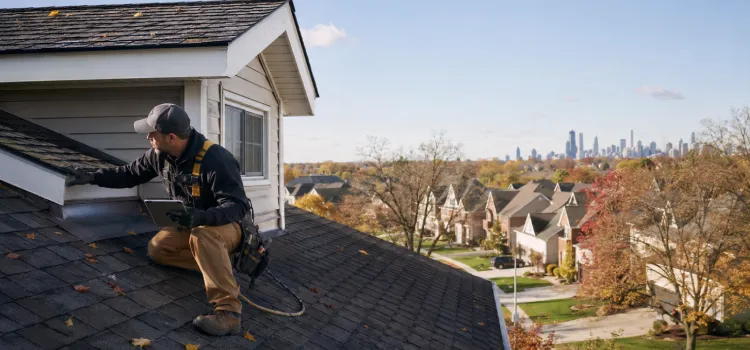
Table of Contents
- 1. What Is an Annual Roof Maintenance Plan?
- 2. Why Chicago Weather Makes Seasonal Roof Maintenance Worthwhile
- 3. What Does Boxer Exteriors’ $529 Roof Care Plan Include?
- 4. Annual Roof Maintenance Plan vs. Reactive Repairs: Is It Worth the Cost?
- 5. Who Benefits Most from a Roof Maintenance Plan?
- 6. A Practical Approach to Long-Term Roof Care
- 7. Frequently Asked Questions
Chicago roofs face demanding conditions throughout the year, including high winds, summer heat, leaves and other debris, freezing temperatures, snow, ice, and occasional hail. Damage caused by these conditions is not always visible from the ground and may worsen before a leak appears.
An annual roof maintenance plan gives a contractor scheduled opportunities to inspect the roof, document changes, perform minor preventive work, and address developing problems before they cause interior damage. For homeowners, this provides a more predictable approach than waiting for an urgent repair.
What Is an Annual Roof Maintenance Plan?
A roof maintenance plan is a recurring service program that combines professional inspections, minor maintenance, condition tracking, and a consistent roof maintenance schedule. Its benefits come from continuity. A contractor is not looking at the roof as a snapshot in time, but as a system whose condition changes through storms, heat, snow, and normal aging.
The program is different from a one-time roof inspection, an emergency repair, a roof warranty, homeowners insurance, or complete replacement. Each serves a different purpose. Preventive roof maintenance centers on routine checks and small preventive tasks that help identify developing issues earlier.
A Maintenance Plan vs. a One-Time Inspection
A one-time inspection shows the roof’s condition on one day. An ongoing plan creates a record across seasons and repeated checkpoints. That history helps a contractor notice a loose seal, cracked roofing material, or another small change before water enters the home. Preventive care does not prevent every failure, but it helps contractors find minor problems sooner.
Why Chicago Weather Makes Seasonal Roof Maintenance Worthwhile
Chicago roofing systems face different stresses in every season. Spring brings hail, heavy rain, and high winds that can lift shingles, loosen flashing, or open small gaps around penetrations. Summer heat and UV exposure dry out sealants and accelerate surface wear. Fall leaves collect near gutters and drains. Winter adds snow, freezing temperatures, repeated freeze-thaw cycles, and ice buildup along vulnerable edges.
Seasonal maintenance does not stop a hailstorm or keep an aging system from eventually requiring replacement. Its benefits come from earlier detection. During each visit, a contractor checks for loose materials, failing seals, drainage problems, or signs of moisture before water damages the insulation, roof decking, or interior living spaces.
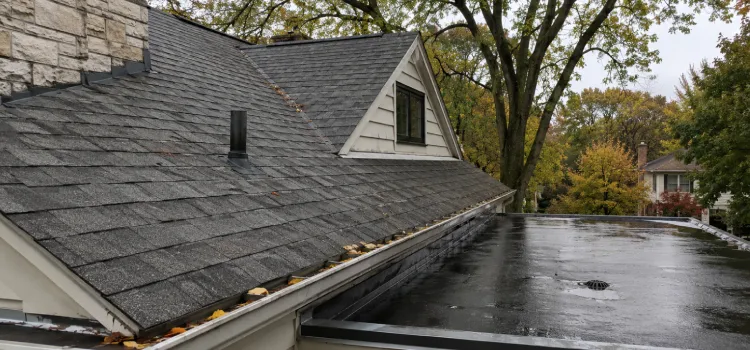
Asphalt shingle roof maintenance typically includes checking for lifted, cracked, missing, or worn shingles, exposed nails, granule loss, flashing problems, penetrations, and deteriorated sealant. Flat roof maintenance places greater emphasis on membrane seams, flashing, penetrations, drains, trapped debris, and standing water. Because low-slope systems depend heavily on controlled water movement, blocked drainage deserves close attention.
Gutter and roof drainage maintenance helps prevent roof leaks and ice dams by directing rainwater and melting snow away from the roof. The benefits also extend to moisture control and energy efficiency when inspections catch roofing or ventilation defects.
What Does Boxer Exteriors’ $529 Roof Care Plan Include?
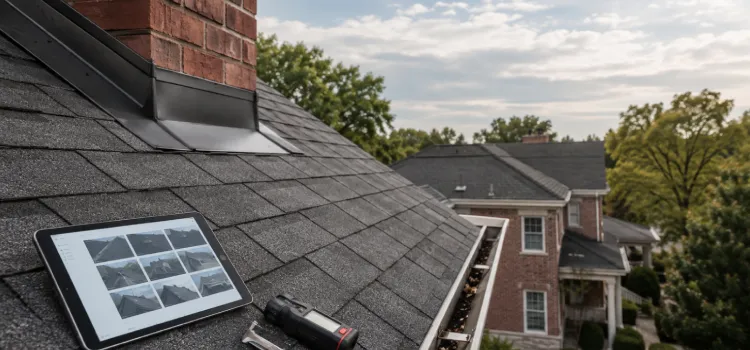
The Boxer Roof Care Plan provides a useful Chicago-area example of a structured maintenance program. The $529 annual plan includes two professional roof inspections, sealant touch-ups, flashing and gutter checks, exposed-nail sealing, debris removal, photo documentation, and an Annual Roof Health Report. Members also receive priority scheduling after storms and for emergency calls.
What the Inspections Look For
In practice, the service functions like a roof maintenance checklist. A contractor can check flashing at transitions, inspect sealant for cracking or separation, seal exposed nails, remove rooftop debris, and review gutter and drainage points. These are common points of water entry. Problems in these areas may first become visible as damage inside or around the home.
The program centers on preventive roof maintenance and minor preventive work rather than major repairs. A gutter inspection, for example, does not automatically include full gutter cleaning or repairs. Larger roofing work falls outside the minor preventive maintenance included in the plan.
Why Documentation Has Long-Term Value
Dated photographs and annual reports create a record of the roof’s condition that homeowners can use when comparing changes after storms or discussing repairs. Those records also support discussions about warranty coverage or insurance claims.
Documentation does not guarantee warranty coverage or claim approval. Its value is continuity. Each inspection adds another reference point, so a contractor has something concrete to compare instead of relying on memory after damage appears. For homeowners, the plan provides regular checkpoints that reduce the time small problems remain undetected.
Annual Roof Maintenance Plan vs. Reactive Repairs: Is It Worth the Cost?
For Chicago homeowners, the real comparison is between a predictable annual maintenance expense and the uncertainty of finding a problem after a leak or interior damage appears. Boxer Exteriors’ $529 annual membership provides scheduled inspections, minor maintenance, records, and priority service. Major repairs are not included.
| Option | Main Advantage | Trade-Off |
|---|---|---|
| Annual maintenance plan | Predictable inspections, minor maintenance, records, and priority service | Recurring annual expense. Major repairs are separate |
| One-time inspection | Current condition assessment | No ongoing monitoring or membership benefits |
| DIY maintenance | Low upfront cost for basic ground-level tasks | Hidden defects are easily missed. Roof access creates safety risks |
| Reactive repairs | No membership expense | Problems may be discovered after leaks or interior damage appear |
For a serviceable roof, the main benefits are regular inspections and earlier detection of minor problems. Preventive care can reduce avoidable deterioration and help maintain warranty coverage when documented upkeep is required.
It does not extend an aging roof’s life indefinitely or eliminate the eventual cost of replacement. A program may also provide limited value if the roof is already scheduled for replacement or another agreement includes equivalent documented maintenance. For homeowners comparing a maintenance plan with reactive repairs, timing is the key difference: a maintenance plan identifies developing problems, while reactive repair typically begins after a problem becomes visible.
Who Benefits Most from a Roof Maintenance Plan?
A regular maintenance program is particularly useful for homes near mature trees, aging roofs, properties with a history of storm damage or leaks, and homes with recurring gutter or ice-dam problems. Aging but serviceable asphalt shingle roofs also benefit from regular inspections. Flat roof maintenance deserves particular attention because drainage conditions can change and standing water can develop between inspections.
Homeowners who value written records or priority storm response may also benefit from a plan that provides written documentation and priority service after storms.
What Homeowners Should Check Before Enrolling
Before choosing a plan, homeowners should check the number and timing of visits, the minor services included, repair exclusions, emergency-response terms, inspection reports, photographs, and manufacturer warranty requirements. Homeowners should also review the contractor’s licensing, local experience, and workmanship warranty coverage.
Boxer Exteriors is a licensed and certified by Owens Corning contractor based in Wheaton and serving communities throughout the Chicago suburbs. A free roof inspection can establish the roof’s current condition before a homeowner decides whether to enroll in an ongoing maintenance plan.
A Practical Approach to Long-Term Roof Care
An annual roof maintenance plan cannot guarantee a repair-free roof. Its benefits come from scheduled inspections, records of the roof’s condition, and earlier detection of minor problems before they cause more extensive damage.
After major storms, homeowners should also inspect gutters, siding, and windows because exterior damage may extend beyond the roofline. Chicago-area homeowners can review the Boxer Roof Care Plan or schedule a free inspection to decide whether ongoing maintenance fits their home’s needs.
Frequently Asked Questions About Roof Financing
What does an annual roof maintenance plan include?
An annual roof maintenance plan typically combines scheduled inspections, minor preventive work, condition tracking, and written documentation. Depending on the provider, the plan may include flashing checks, sealing exposed nails, sealant touch-ups, debris removal, gutter inspections, and photographs of potential problems. Although the plan cannot eliminate every future repair, it creates regular opportunities to identify small defects before they spread and gives homeowners a clearer record of how the roof’s condition changes from year to year.
How does a roof maintenance program differ from reactive repairs?
A preventive roof maintenance program is designed around routine inspections and minor preventive maintenance before a visible leak or major failure develops. Reactive repair starts after a specific problem has already appeared. The difference is largely timing. Regular service gives a contractor the opportunity to spot loose materials, deteriorated sealant, drainage issues, or early signs of water intrusion. Reactive work avoids recurring membership fees, but the total repair costs are less predictable when problems are discovered during storms or after interior damage has occurred.
What is included in annual maintenance for a Chicago-area home?
Roof maintenance needs in the Chicago area change with the seasons. Seasonal maintenance may include checking for storm damage in spring, inspecting heat-related wear in summer, removing leaves and clearing drainage areas in fall, and assessing ice or freeze-thaw damage in winter. Asphalt shingle roofs should be checked for cracked, lifted, or missing shingles, as well as damaged flashing and exposed fasteners. Inspections of low-slope roofs should focus more heavily on seams, drains, and standing water. These regular observations help homeowners track developing issues without treating routine care as protection against every weather-related problem.
How often should a roof inspection be scheduled?
Inspection frequency depends on roof age, material, past storm exposure, surrounding trees, drainage conditions, and warranty requirements. Some service plans include two professional visits per year, providing opportunities to compare conditions before and after demanding weather periods. An additional evaluation is appropriate after a hailstorm or high winds, or whenever signs of a leak appear. Regular inspections support roof leak prevention by identifying gaps in flashing, failing seals, exposed nails, or drainage problems before water reaches the decking, insulation, or interior finishes.
What should homeowners look for in a roofing contractor?
Homeowners should review a contractor’s licensing, local experience, workmanship warranty coverage, inspection and reporting practices, repair exclusions, and familiarity with manufacturer requirements. Before enrolling, they should also review the cost of the maintenance plan and confirm which minor services are included and which are billed separately. A dependable roofing contractor clearly explains the scope without presenting routine maintenance as a guarantee against leaks, storm damage, or insurance claim issues. A contractor familiar with how Chicago-area hail, high winds, ice buildup, and drainage problems affect asphalt shingle and low-slope roofing systems is better equipped to evaluate long-term maintenance options.



Tony and Judy Lavarda, Napervile, IL

The team worked efficiently, stayed responsive to phone calls, and were always professional, friendly, and positive. They came highly recommended and truly delivered. We continue to refer them to our friends and neighbors as well.


I highly recommend Boxer Exteriors


Great customer service. Dawn and her team went above and beyond. I highly recommend!!!!!💪🏻💪🏻