By: Boxer Exteriors • May 28, 2026 • 9 min. read
Learn how to estimate roof age using records, visible wear, lifespan clues, and inspection tips before planning repairs, resale, or replacement.
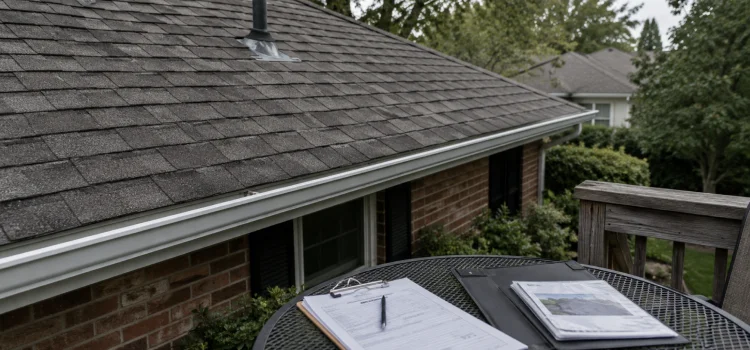
Table of Contents
- 1. Why Roof Age Is Important for Homeowners
- 2. How to Find Out When a Roof Was Replaced
- 3. How to Estimate Roof Age Without Records
- 4. Typical Roof Lifespan by Shingle Type
- 5. Signs Your Roof May Be Older Than You Think
- 6. When to Schedule a Professional Roof Inspection
- 7. Frequently Asked Questions
How old is your roof? It sounds like a simple question, but many homeowners do not know the exact roof installation date, especially if they bought the home after the current roof was installed. That missing detail can affect how homeowners plan maintenance, handle repairs, discuss insurance, prepare for resale, and time a replacement. The best place to start is with records. From there, visible signs and a professional inspection can help confirm what the paperwork does not show. A five-year-old roof with storm damage may need attention, while an older roof that was installed well and maintained properly may still have years of useful life left.
Why Roof Age Is Important for Homeowners
Knowing the age of a roof gives homeowners a better starting point for planning. It can help with budgeting, especially when the roof is getting closer to the end of its expected lifespan. It can also help after a hailstorm or wind event, when insurance questions often depend on the roof replacement date, past damage, and current performance.
Age also plays a role during a home sale. Prospective buyers may ask for roof age documentation, warranty paperwork, or a recent inspection report before closing. A clear history can make the home feel like a safer purchase because it removes guesswork.
Still, age alone does not tell the full story. A newer roof can lose shingles or develop flashing problems after severe weather. An older one may still shed water properly if the material was installed well, ventilated correctly, and maintained over the years.
Roof Age vs. Roof Condition
The best approach is to compare the paperwork with what the roof is actually showing. A roof condition assessment can show whether repair or replacement makes more sense. For example, a single leak near a vent may be a repair issue, while repeated leaks, brittle shingle edges, and widespread wear may point to a larger decision. The clearest answer usually comes from combining documentation with inspection findings, not relying on one clue by itself.
How to Find Out When a Roof Was Replaced
Homeowners can often find the answer before calling a contractor. The purpose is to gather enough information to narrow the date and understand what type of work was done.
- Check home improvement records
Start with old home files, email receipts, bank records, or project folders. A roofing invoice, contractor receipt, or payment record may list the roof installation date, material type, scope of work, and warranty information. Even one bill can help establish the timeline. - Review warranty paperwork
Roof warranty documents may include the installation date, manufacturer, shingle line, contractor name, and coverage terms. This paperwork can also show whether the warranty was transferable at the time of sale, which may affect value for a current or future buyer. - Check permit records
A roof replacement permit or other local permit records may show when the work was approved or completed. In many Chicago-area suburbs, permit records are kept by the city, village, or county building department. The permit may not include every detail, but it can be a useful source for roof replacement records. - Review real estate documents
Closing paperwork, seller disclosures, and old inspection reports can include an approximate date. A roof age note in a home inspection report may say the roof appeared to be a certain number of years old at the time of purchase. A roof age entry in a seller disclosure can also help, although it should be treated as an estimate unless backed by documents. - Ask previous owners or the original contractor
Records from a previous homeowner can fill in gaps when paperwork is missing. If the contractor name is known, roofing contractor records may confirm the project date, material used, and whether any later repair work was completed.
Ways to Determine Roof Age: What Each Source Can Tell You
| Source or Method | What It Can Tell You | How Reliable It Is |
|---|---|---|
| Roofing invoice or receipt | Installation date, contractor name, material type, project scope | High |
| Warranty paperwork | Installation date, shingle brand, coverage terms, transfer details | High |
| Permit records | Approval or completion date for roof work | Medium to high |
| Seller disclosure or inspection report | Approximate roof age at the time of sale | Medium |
| Previous owner or contractor | Project date, repair history, material details | Medium |
| Old listing photos | Visible roof color, texture, or material changes | Medium |
| Satellite imagery | Possible year when the roof surface changed | Low to medium |
| Shingle condition | Granule loss, curling, cracking, brittleness, uneven wear | Medium |
| Professional inspection | Surface condition, flashing, attic ventilation, storm damage, remaining life | High |
For homeowners in Wheaton and the wider Chicago metro area, Boxer Exteriors can use this information during a free inspection to create a clearer picture of remaining roof life, weather exposure, and next steps.
How to Estimate Roof Age Without Records
When paperwork is missing, homeowners can still estimate roof age by looking for visual clues. These clues can help create a reasonable timeframe, but they are not proof. Insurance companies, buyers, and lenders may still prefer actual roof age documentation.
A good first step is to compare old listing photos with current photos. If the roof color appears different, the surface may have been changed between sales. A visible change in photos can narrow the likely year, especially when paired with closing paperwork or neighborhood records.
Historical satellite images can also help show when the roof may have been replaced. Online map tools may show when a darker, cleaner, or more uniform surface first appeared. Image quality may vary, but a visible change can give homeowners a useful clue.
Neighbors can be another source. In many subdivisions, several homes were built around the same time and may have had similar storm exposure. If nearby owners replaced their roofs after a hailstorm, it may help explain the timing.
Shingle style can offer clues, too. An older 3-tab design may suggest a different installation period than thicker architectural material. Still, visual clues only go so far. A professional roof inspection can usually estimate roof age more accurately by checking shingle wear, flashing condition, attic details, and installation quality.
Why an Estimate Is Not the Same as Proof
An estimate is useful for planning, but it should not be treated like a receipt, permit, or warranty document. A home may look well maintained while still having hidden wear near vents, valleys, or attic spaces. When the date is unclear, an inspection is often the best next step.
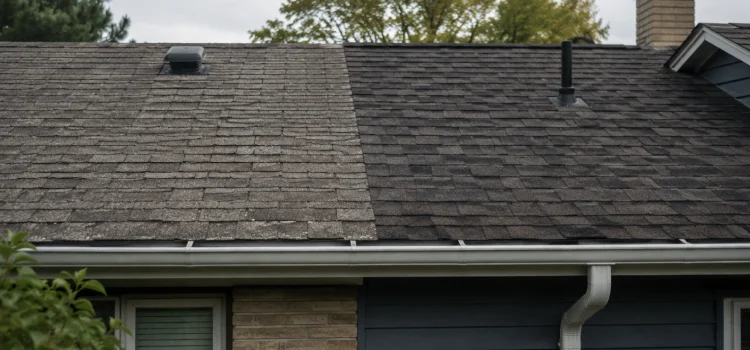
Typical Roof Lifespan by Shingle Type
Roof lifespan depends on more than the shingle label. Material quality, installation method, attic ventilation, maintenance, sun exposure, and storm history all play a role. In the Chicago metro area, wind, hail, snow, ice, and freeze-thaw cycles can reduce remaining roof life, especially when small issues are left unaddressed.
3-tab shingles usually do not last as long as heavier architectural options. They are simpler, flatter, and usually less durable. They can still perform when installed well, but they may show wear sooner in harsh weather.
Architectural shingles are thicker and usually better suited for long-term performance. They often last longer because they are thicker, more durable, and generally more resistant to routine roof wear and tear. For many homeowners, the extra cost can make sense when durability and curb appeal are priorities.
Older asphalt shingles may show granule loss, curling, cracking, brittleness, or uneven color. The age of an asphalt shingle roof is not always obvious from the ground, but widespread wear often means the surface deserves attention.
For homeowners weighing repair against replacement, Boxer Exteriors can review the material, ventilation, and weather exposure during a free inspection. That gives homeowners a clearer picture before making a budget decision.
Signs Your Roof May Be Older Than You Think
Some signs of roof aging are easy to miss until water finds a weak spot. A roof surface can still look acceptable from the driveway while the edges, valleys, flashing, or attic tell a different story.
Exterior Signs of Roof Aging
Start with the gutters and downspouts. Shingle granule loss often shows up there first, especially after heavy rain or repeated freeze-thaw cycles. A few granules are normal, but heavy buildup can mean the protective surface is wearing thin.
Look for curling shingles, lifted edges, cracked shingles, or missing shingles. These can allow wind-driven rain to reach areas that should stay protected. Dark streaks, soft green patches, or moss or algae growth on the roof surface are also worth checking, especially on shaded sides of the home where moisture lingers longer.
Damaged flashing is another important clue. Flashing around chimneys, vents, skylights, and roof edges helps direct water away from vulnerable seams. If it is rusted, loose, bent, or pulling away, the issue may go beyond surface wear. It may also create a path for water to enter.
Interior Signs of Roof Trouble
Inside the home or attic, warning signs can appear as ceiling stains after heavy rain or snowmelt, damp insulation, dark attic streaks, or a musty smell. Roof leaks do not always drip dramatically. Sometimes they show up as slow attic moisture damage that affects wood, insulation, and ventilation over time.
These signs do not always mean full replacement is required. A small flashing issue may be repairable. A few damaged shingles after a storm may call for targeted repair. However, widespread roof wear and tear, repeated leaks, and interior moisture concerns should trigger a closer inspection, especially when the roof age is unknown.
When to Schedule a Professional Roof Inspection
Homeowners should schedule an inspection when records are missing, the roof is older, recent storm damage is possible, or shingle wear has become visible. An inspection also makes sense before selling a home, buying a home, filing an insurance claim, or deciding whether roof repair or replacement is the better choice.
A professional roof inspection can check the surface, flashing, attic ventilation, storm damage, leak risks, and how much useful life the roof may have left. It can also create a roof inspection report that gives homeowners a clearer starting point for budgeting and planning. This provides more reliable information than photos can offer on their own.
For homeowners in Wheaton and the wider Chicago metro area, Boxer Exteriors offers free inspections for roofing, storm damage, siding, gutters, and other exterior concerns.
If roof replacement records are missing, a professional can complete a roof condition assessment and explain whether the issue looks like normal aging, storm damage, poor installation, ventilation problems, or a repairable weak point. Boxer Exteriors also supports its work with long-term warranties, including a 10-year workmanship warranty on full roofs.
Frequently Asked Questions
How old is my roof if I do not have the original paperwork?
Homeowners can often find out how old the roof is by checking old invoices, warranty documents, seller disclosures, inspection reports, and permit records. If you purchased your home after the roof was installed, the exact date may not be obvious. In that case, compare records with the condition of the roof. A contractor can also look for signs of age, installation details, and weather-related wear during an inspection.
Why is the age of the roof important before selling or buying a home?
The age of the roof can affect resale value, insurance questions, buyer confidence, and future maintenance costs. A newer roof may be a selling point, while an aging roof may raise questions about leaks, ventilation, or whether it is nearing the end of its useful life. Buyers often want documentation that shows the roof installation date, warranty terms, and whether a new roof may be needed soon.
When does roof replacement make more sense than repair?
Replacement may make more sense when the roof has widespread signs of wear, repeated leaks, brittle shingles, major granule loss, or damaged areas across several sections. A small leak near a vent may only need repair, but a roof close to the end of its lifespan often points to a larger decision. A professional can check whether the problem is isolated or part of a larger pattern before recommending the next step.
What are simple ways to determine roof age without records?
Some simple ways to determine roof age include checking old real estate photos, comparing color changes, asking neighbors about storm-related replacements, and reviewing historical satellite imagery that may show roof changes. These clues can help estimate the age, but they are not proof. A professional can also inspect shingle wear, flashing, attic ventilation, and installation details to determine roof age more accurately when documents are missing.
Should a roofing contractor inspect an existing roof before major decisions?
In most cases, yes. A roofing contractor can inspect an existing roof before homeowners decide whether to repair the roof, replace it, file an insurance claim, or prepare the home for resale. An inspection can identify leak risks, attic moisture, damaged roof flashing, weak ventilation, and moss and algae on the roof surface. Boxer Exteriors offers free roof inspections, which can help homeowners understand the current condition before budgeting for repairs or deciding on storm restoration.



Tony and Judy Lavarda, Napervile, IL

The team worked efficiently, stayed responsive to phone calls, and were always professional, friendly, and positive. They came highly recommended and truly delivered. We continue to refer them to our friends and neighbors as well.


I highly recommend Boxer Exteriors


Great customer service. Dawn and her team went above and beyond. I highly recommend!!!!!💪🏻💪🏻