By: Boxer Exteriors • May 25, 2026 • 9 min. read
Learn how to clean vinyl siding safely with mild soap, a soft brush, careful rinsing, and simple tips for dirt, mildew, stains, and upkeep.
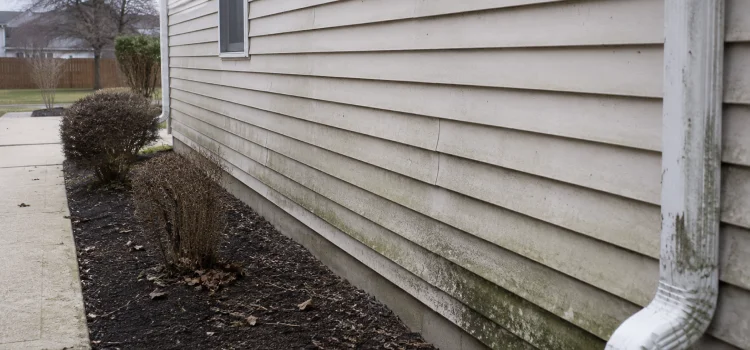
Table of Contents
- 1. Why Vinyl Siding Gets Dirty Over Time
- 2. How Often Should You Clean Vinyl Siding?
- 3. What to Use for Safe Vinyl Siding Cleaning
- 4. How to Clean Vinyl Siding Step by Step
- 5. Should You Pressure Wash Vinyl Siding?
- 6. When Cleaning Is Not Enough: Signs Your Siding Needs Professional Attention
- 7. Frequently Asked Questions
Learning how to clean vinyl siding helps homeowners keep a durable, low-maintenance exterior looking fresh without causing avoidable wear. Cleaning vinyl siding is usually simple, but the right routine helps remove pollen, grime, outdoor grime, algae, and mildew before the surface starts to look dull.
For Chicago-area homes, local weather can make the buildup worse. Spring pollen, wind-blown debris, summer humidity, winter residue, and freeze-thaw cycles can all leave siding looking dull or streaked. A safe approach starts with patience, light pressure, and a careful rinse. With steady vinyl siding maintenance, homeowners can protect curb appeal and reduce the chance of small exterior issues being missed. Cleaning also gives homeowners a closer look at how the exterior is holding up season after season.
Why Vinyl Siding Gets Dirty Over Time
Most buildup comes from normal exposure. Rain, wind, dust, tree cover, nearby soil, and roof runoff can all leave dirt on vinyl siding over time. In spring, pollen buildup on siding can create a yellowish film that clings to textured panels. After storms, leaves, small branches, and grit may collect along seams, corners, and lower sections of the wall.
Shaded sides of the home often require extra attention. Less sunlight means damp areas dry more slowly, which can lead to mold, mildew, or algae on vinyl siding. These stains often appear as green, gray, or black patches, especially near landscaping, downspouts, or areas with limited airflow.
Other marks are more random but still common. Bird droppings on siding, insect residue, splashback from mulch, and general grime can make even a well-built exterior look neglected. The good news: dull or dirty vinyl siding does not automatically mean the material is failing.
Still, repeated stains deserve a closer look. Vinyl siding discoloration, soft spots, loose panels, or growth that keeps returning in the same area may point to trapped moisture, poor drainage, or a spot where water may be getting behind the wall system. That is when homeowners should slow down, inspect carefully, and avoid treating every stain as only a surface problem.
How Often Should You Clean Vinyl Siding?
For most homes, annual vinyl siding cleaning is a dependable routine. Once a year is usually enough to remove surface buildup, check for early wear, and prevent stains from becoming harder to handle. Many homeowners prefer spring siding cleaning because it clears away winter grime and gives the exterior a brighter, cleaner look before warmer weather arrives.
Homes near trees, busy roads, open fields, or shaded lots may require more frequent attention. Heavy pollen seasons, long dry spells, or strong storms can leave residue sooner than expected. Homeowners wondering how often to clean vinyl siding should use the home’s exposure as the best indicator, not only the calendar.
A good routine also includes inspection. While using a hose, homeowners should look for cracked sections, loose panels, gaps around trim, damaged caulk, or any sign of water behind siding. It helps to clean siding in small sections so each area can be checked before moving on. That simple habit can prevent small maintenance problems from turning into larger exterior repairs.
What to Use for Safe Vinyl Siding Cleaning
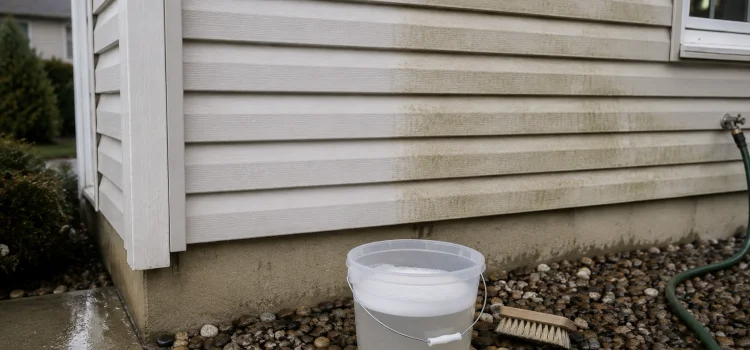
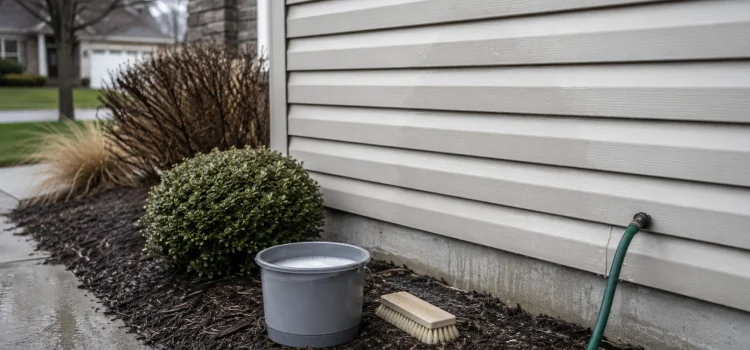
The safest setup is simple: a garden hose, a bucket of warm water, mild soap, and a soft brush. For most homeowners, a garden hose is usually enough to loosen dust, pollen, spiderwebs, and light surface buildup before any scrubbing starts. A soft-bristled brush for vinyl siding is a better choice than abrasive pads, metal tools, or stiff bristles that can scratch the finish or leave dull spots.
There is no single best vinyl siding cleaner for every home. The right cleaner depends on the type of stain, the age of the material, and how long the buildup has remained on the surface.
For light dirt and everyday grime, soapy water for vinyl siding is usually the most dependable starting point. Dish soap works well for normal siding maintenance because it cuts through film without being overly harsh. For larger wall sections, a mild mix using laundry detergent for siding can help cover more surface area, as long as it is diluted and rinsed well.
A white vinegar solution can be useful for light organic stains. A basic vinegar-and-water solution is often chosen by homeowners who want a more natural DIY vinyl siding cleaner for small spots. For heavier mildew, a carefully diluted bleach solution for vinyl siding may be appropriate, but it should be used with caution around plants, trim, and painted surfaces.
A mildew cleaner made for vinyl siding can help with stubborn growth. A trisodium phosphate cleaner should be reserved for tougher jobs and used only according to the product label. Stronger is not automatically better. Safe vinyl siding cleaning means using the mildest effective solution first.
How to Clean Vinyl Siding Step by Step
A good process makes the job easier and helps protect the exterior from accidental damage. Homeowners learning how to clean vinyl siding should work slowly, use gentle pressure, and keep each section manageable.
- Inspect the siding first
Before cleaning vinyl siding, homeowners should walk around the home and check for loose panels, cracks, open seams, caulk failure, or gaps near windows and trim. Any area where water may enter should be handled carefully. If a panel already looks loose, aggressive scrubbing can make the problem worse. - Rinse loose dirt with a garden hose
Start with a gentle rinse from the hose. This removes dust, pollen, spiderwebs, and surface debris before soap is applied. It also helps reveal stains that require extra attention. The goal is to remove dirt from vinyl siding without blasting the surface. - Apply the cleaning solution in small sections
Work from the bottom of the wall upward, then rinse from the top down. This helps control streaks. Cleaning siding in small sections helps prevent the cleaner from drying before rinsing. On sunny or windy days, smaller sections are especially important. - Scrub gently with a soft brush
Use steady, light pressure. The brush should loosen buildup, not scrape the surface. Around corners, seams, fixtures, and trim, a lighter touch helps prevent damage. - Rinse thoroughly with clean water
Always rinse siding with clean water before moving to the next section. Thorough rinsing helps prevent streaking on siding, soap film, and dull residue. - Spot-treat stubborn stains
Some marks respond better to a targeted cleaner. To remove mildew from siding, treat the affected area, allow the product to sit only as directed, then rinse fully. Stubborn siding stains, oil and grease stains on siding, algae, and discoloration may require more than basic soap. If stains keep returning in the same spot, the issue may be deeper than surface cleaning and worth a closer exterior inspection.
Should You Pressure Wash Vinyl Siding?
Pressure washing vinyl siding can be effective when the surface has heavy buildup, but it comes with real trade-offs. Used carefully, a pressure washer can remove stuck-on grime faster than a brush and hose. Used the wrong way, it can create problems that are harder to fix than the original stain.
Many homeowners should avoid power washing vinyl siding at high pressure, especially when aiming the spray upward. The biggest risk is forcing water behind siding panels. Once moisture gets behind the exterior surface, it can affect sheathing, insulation, trim, and nearby wall openings. Loose or cracked panels can also get worse under pressure.
There is also a risk of siding damage from a power washer. Too much force can dull the finish, open gaps, or damage a weak area that already needed repair.
For routine care, cleaning vinyl siding without a pressure washer is often the safer choice. A mild solution, soft brush, and careful rinse can handle most normal buildup. If pressure washing is used, it should be done at low pressure, with a wide-angle nozzle aimed straight at the surface or downward rather than upward. The goal is to clean the surface, not blast it.
When Cleaning Is Not Enough: Signs Your Siding Needs Professional Attention
Some stains are only cosmetic. A little pollen, dust, or dirt can usually be handled with safe vinyl siding cleaning and regular vinyl siding maintenance. But recurring stains can tell a different story.
Homeowners should take a closer look when mildew on vinyl siding keeps returning in the same spot, especially near roof edges, shaded walls, gutters, or windows. The same goes for vinyl siding discoloration, warped panels, soft sections, gaps, loose trim, or signs of water behind siding. These can point to drainage issues, failed caulk, hidden moisture, or panels that are no longer sitting correctly.
At that point, a full exterior review becomes helpful. Boxer Exteriors serves homeowners in Wheaton and the wider Chicago metro area with siding and fascia services, roofing, gutters, and windows. These exterior components work together as one system. Overflowing gutters, a roof edge that does not shed water properly, or a window trim gap can all leave one wall section damp again and again.
Boxer Exteriors can inspect whether the issue is simple surface buildup or a larger moisture problem. Services may include repair or replacement, fascia work, gutter evaluation, and window-related exterior checks. The company also offers free inspections, giving homeowners a practical next step before a small exterior concern becomes a larger repair.
Final Vinyl Siding Cleaning Tips for Long-Term Exterior Care
Most homeowners can learn how to clean vinyl siding safely with mild soap, a soft brush, light rinsing, and a careful routine. The best vinyl siding cleaning tips are simple: avoid harsh scrubbing, use the mildest effective solution, rinse well, and be careful with pressure washing.
Steady vinyl siding maintenance helps prevent stains from becoming harder to remove. It also gives homeowners a chance to catch loose panels, gaps, and recurring moisture signs early. If stains keep coming back or water may be getting behind the wall, Boxer Exteriors, a Wheaton-based roofing and exterior contractor, can help Chicago-area homeowners inspect the exterior and choose the right next step.
Frequently Asked Questions
What is the safest way to clean vinyl siding?
The safest way to clean vinyl siding is to start with mild soap, warm water, and gentle pressure. Use a garden hose to loosen dirt and debris before scrubbing. For most homes, a sponge or a soft-bristled brush is enough to clean the surface of the siding without scratching it. Avoid harsh tools or overly strong cleaners because they can damage the siding. Work in small sections, then rinse the siding thoroughly before the cleaner dries.
How do I keep vinyl siding looking fresh?
The best way to clean vinyl siding and keep it looking fresh is to wash it regularly before stains settle in. Annual cleaning is usually enough for most homes, but shaded areas or homes near trees may call for extra attention. Use mild soap, rinse well, and inspect the siding on your home while you clean. This routine can keep your siding looking better and help you notice loose panels, gaps, or early moisture problems before they become larger repairs.
What are the best tips for cleaning vinyl siding?
The most useful tips for cleaning vinyl siding are simple: start gently, use the mildest effective cleaner, and avoid rushing. Rinse first with a hose, scrub with light pressure, and clean one section at a time. Using a soft brush is usually safer than abrasive pads or stiff bristles. The best way to remove dirt is to loosen surface buildup first, then apply soap or a mild cleaning mix only where needed. Always rinse fully to prevent streaks.
How can I remove mold and mildew from vinyl siding?
To remove mold from vinyl siding, start with a mild cleaner and treat only the stained area. For heavier growth, some house-washing solutions use sodium hypochlorite, which must be diluted carefully and rinsed thoroughly. Protect nearby plants, painted trim, and surrounding surfaces. A mildew cleaner can also work when used according to the label. If mold or mildew keeps returning in the same spot, the issue may involve trapped moisture, poor drainage, or a problem behind the exterior siding.
What type of cleaner should I use on vinyl siding?
There is no single cleaner that works for every stain. For everyday grime, soapy water is often the best way to clean vinyl surfaces safely. Dish soap can help with light film, while diluted laundry detergent may work for larger sections. A vinegar-based mix can work well for small organic stains. Stronger products should be used only when needed, because overly harsh chemicals can dull the finish or damage the siding if they are not rinsed properly.



Tony and Judy Lavarda, Napervile, IL

The team worked efficiently, stayed responsive to phone calls, and were always professional, friendly, and positive. They came highly recommended and truly delivered. We continue to refer them to our friends and neighbors as well.


I highly recommend Boxer Exteriors


Great customer service. Dawn and her team went above and beyond. I highly recommend!!!!!💪🏻💪🏻