By: Boxer Exteriors • Apr 30, 2026 • 10 min. read
Roof flashing helps protect the most leak-prone parts of a roof. This guide explains what it does, common types, and when Chicago-area homeowners should repair it.
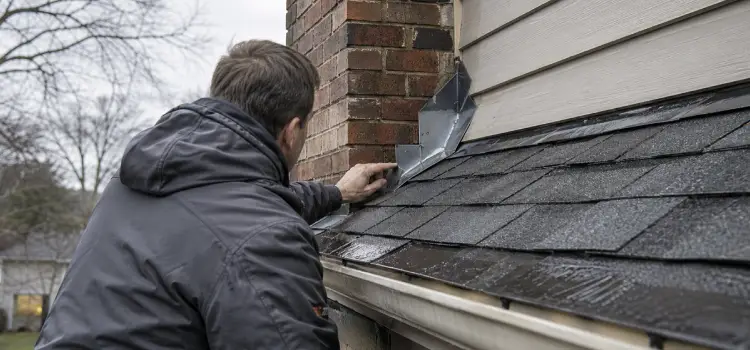
Table of Contents
- 1. Types of Roof Flashing Homeowners Should Know
- 2. Roof Flashing Materials, Sizes, and Installation Basics
- 3. Common Roof Flashing Problems and Signs It May Need Repair
- 4. Roof Repair Tips for Chicago-Area Homeowners
- 5. How Regular Roof Maintenance Helps Extend Roof Life
- 6. Frequently Asked Questions
What is roof flashing? In simple terms, roof flashing is a thin piece of shaped metal installed where the roof meets a wall, opening, joint, edge, or other transition. Its job is to direct water away from vulnerable areas before it can seep under shingles, behind walls, or into the attic.
Think of flashing as a small but critical water-control detail. It is commonly placed around chimneys, skylights, vent pipes, valleys, walls, dormers, and roof edges. These are the places where a roofing system has gaps, bends, or intersections, so they need more protection than shingles alone can provide.
For Chicago-area homes, that protection is especially important. NOAA’s Chicago O’Hare climate normals show about 37.86 inches of annual precipitation, 38.4 inches of annual snowfall, and an average January temperature of 25.2°F. That means roof transitions deal with rain, snow, ice, wind-driven moisture, and regular freeze-thaw pressure.
Well-installed roof flashing helps prevent leaks by keeping water moving down and off the roof instead of letting it pool, slide behind siding, or enter near a penetration or transition. Proper installation also supports water damage prevention and helps the overall system meet local building codes. When installed correctly, flashing does its job quietly: homeowners rarely notice it, which is exactly the point.
Types of Roof Flashing Homeowners Should Know
There are several types of roof flashing homeowners may hear about during a professional inspection or repair. Each type is shaped and placed to protect a specific high-risk area.
Step flashing is installed where a sloped roof meets a vertical wall, often along siding, brick, or a dormer. It is made from small bent metal pieces layered with shingles so water flows down the roof plane instead of behind the wall. If step flashing is missing or improperly installed, leaks can appear inside walls or ceilings.
Counter flashing is commonly used with masonry, especially around a chimney. It covers the top edge of base flashing and helps keep rain from entering the joint between the chimney and roof. A professional roofer checks this area carefully because a loose or poorly sealed section can lead to hidden water damage.
Chimney flashing protects the area where the chimney passes through the roof. It often includes step, counter, cap, or apron pieces. If the material rusts, separates, or pulls away from the brick, water can seep into the attic or living space.
Skylight flashing is installed around the curb or frame of a skylight. It redirects water around the opening and helps protect insulation, drywall, and wood framing below.
Valley flashing sits in the valley where two roof slopes meet. This area carries a heavy flow of rain and melting snow, so the flashing material must be durable, correctly sized, and properly placed.
Drip edge flashing is installed along eaves and rake edges. It helps direct water into the gutter and away from the roof deck, fascia, and siding.
Kickout flashing is placed where a roof edge meets a wall and gutter. It pushes water away from the wall, helping avoid costly exterior damage.
Vent pipe flashing seals around plumbing vents and other pipe penetrations. A cracked rubber boot, loose metal base, or deteriorated seal can create a small leak with a big impact.
Headwall flashing protects the point where a roof slope meets a wall above it. Cap flashing covers exposed joints or trim areas. Both help create a more watertight, long-lasting roofing system when installed by a licensed professional.
Roof Flashing Types and Where They Are Used
Homeowners do not need to memorize every flashing detail, but it helps to recognize the main types they may hear about during an inspection or repair. The table below summarizes where each type is commonly used and what warning signs may point to a problem.
| Flashing Type | Where It Is Used | What It Helps Protect |
|---|---|---|
| Step flashing | Where a sloped roof meets a vertical wall | Walls, siding, dormers, and nearby ceilings |
| Counter flashing | Around masonry, especially chimneys | The joint between the chimney masonry and the roof |
| Chimney flashing | Around the base of a chimney | Attic, roof deck, masonry joints, and living space below |
| Skylight flashing | Around a skylight curb or frame | Drywall, insulation, and framing below the skylight |
| Valley flashing | Where two roof slopes meet | Roof valleys that carry heavy rain and melting snow |
| Drip edge flashing | Along eaves and rake edges | Roof deck, fascia, siding, and gutters |
| Kickout flashing | Where a roof edge meets a wall and a gutter | Siding, wall framing, and exterior finishes |
| Vent pipe flashing | Around plumbing vents and pipe penetrations | Attic, insulation, and roof deck near vents |
| Headwall flashing | Where a roof slope meets a wall above it | Wall transitions and upper roof edges |
| Cap flashing | Over-exposed joints, trim, or masonry details | Open seams and vulnerable trim areas |
Roof Flashing Materials, Sizes, and Installation Basics
The choice of flashing material is important because the material has to survive years of rain, snow, ice, and temperature swings without rusting, lifting, or cracking at the edges. Most flashing is made from metal because it can be shaped, layered, and installed to move water away from high-risk roof areas.
Galvanized steel flashing is a common choice because it is strong, coated for corrosion resistance, and often cost-effective. It works well in many residential roofing applications when the material is properly sized, bent, and installed.
Aluminum flashing is lightweight, flexible, and easier to shape around certain roof details. It can be a practical material option, though the right coating and installation technique are important because aluminum can react with certain building materials.
Copper flashing offers a premium appearance and long service life. It is often chosen for custom projects, masonry details, or homes where the look of the material is part of the design.
Roof flashing sizes vary by roof area, slope, wall condition, shingle type, opening, and local building codes. A chimney, skylight curb, valley, or vent pipe does not always need the same size or gauge. Proper fit matters more than any one-size-fits-all rule.
Correct flashing installation is also about layering. Each piece should be placed so water flows over the next surface, not behind it. Flashing sealant and roofing cement can support the system in specific places, but they are not permanent fixes on their own. Sealant alone is not a reliable substitute for replacing damaged metal or using proper installation methods.
Common Roof Flashing Problems and Signs It May Need Repair
Roof flashing problems often start small. A slightly lifted edge, rusted piece, cracked sealant, or loose section may not seem urgent from the ground. But over time, those small gaps can allow water to seep into the roof deck, attic, insulation, walls, or ceiling.
Water damage is one of the main reasons flashing problems should not be ignored. The Insurance Information Institute reports that about 1 in 67 insured homes has a property damage claim caused by water damage or freezing. For Chicago-area homeowners, that fact feels especially relevant after heavy rain, melting snow, hail, or wind-driven storms.
Signs of Roof Flashing Problems After a Storm
Some signs of roof flashing problems are visible outside. A homeowner may notice bent metal near a chimney, lifted pieces along a wall, missing sections around a vent pipe, or debris collecting in a valley. From the ground, binoculars can help identify obvious damage without climbing onto the roof.
Inside the house, the signs can be more subtle. Look for damp attic areas, stained ceiling spots, peeling paint near a wall, musty insulation, or a leak that appears during heavy rain. Flashing damage near a skylight or chimney can also cause water stains that appear somewhere other than the actual entry point.
This happens because water does not always drip straight down. It can travel along framing, underlayment, or roof decking before it finally appears inside. That makes professional inspection important when the source is not obvious.
Roof flashing repair may be enough when the material is still solid and only a small section needs to be secured, resealed, or corrected. A professional roofer may recommend replacement when the metal is rusted, separated, improperly installed, or weather-worn beyond repair.
Flashing problems are easier to handle before water gets inside. A small repair can help prevent roof leaks and protect the home from more costly damage later.
Roof Repair Tips for Chicago-Area Homeowners
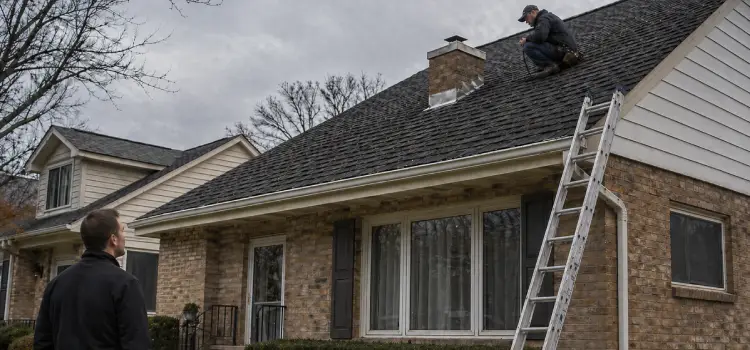
Roof flashing repair starts with careful observation, not risky climbing. Homeowners can do a lot from the ground and other safe areas around the house, especially after heavy rain, snowmelt, hail, or high winds.
Inside the home, check ceilings, wall corners, attic insulation, and areas near chimneys, skylights, and vent pipes. Damp insulation, a stained ceiling, peeling paint, or a musty smell can indicate water intrusion. The stain may not appear directly below the damaged flashing because water can travel along framing, decking, or underlayment before it shows up inside.
Outside, homeowners can look for obvious storm damage from the ground. Binoculars can help identify lifted shingles, bent metal, loose flashing, missing pieces, debris in valleys, or gutter overflow near a wall. The goal is not to inspect every detail personally but to notice signs early enough to prevent roof leaks and avoid more costly damage.
Gutters also play a key role in roof maintenance. When gutters are clogged, water can pool at the eaves, back up under shingles, or spill against siding and fascia. Keeping gutters clear helps flashing do its job by directing water away from vulnerable areas.
When Flashing Can Be Repaired
Roof flashing repair may be enough when the material is still solid and only a small area has shifted, loosened, or needs to be resealed. A professional contractor may be able to secure the piece, correct the overlap, add appropriate sealant, or address a small gap without replacing a larger section.
When Flashing Should Be Replaced
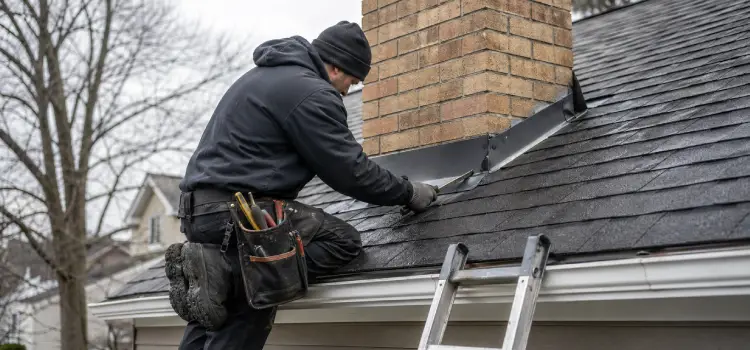
A contractor may need to replace roof flashing when the metal is rusted, cracked, poorly installed, missing, or no longer shaped correctly. Replacement is also common when roof repair involves a chimney, skylight, valley, wall transition, or broader storm damage restoration.
For active leaks, sudden storm damage, or visible water intrusion, emergency roof repairs may be needed. A local roof inspection can confirm whether the issue is minor or part of a larger roofing problem.
How Regular Roof Maintenance Helps Extend Roof Life
Roof flashing is small compared with the overall roofing system, but it does a big job. It protects the seams, joints, and openings where water is most likely to find a path inside. When installed correctly and checked regularly, it supports water damage prevention, long-term durability, and overall home protection.
Regular roof maintenance helps catch small issues before they turn into rot, mold, insulation damage, or expensive interior repairs. A professional inspection can identify loose flashing, cracked sealant, failing metal, worn shingles, gutter problems, or installation details that no longer meet the home’s needs or current building codes.
This kind of maintenance is especially useful in the Chicago area, where roofs deal with snow, ice, rain, wind, and seasonal temperature swings. Small roof details often decide whether water stays outside, and flashing is one of the most important.
Homeowners in Wheaton, Naperville, Glen Ellyn, Hinsdale, Winfield, St. Charles, Geneva, Oak Brook, Downers Grove, Yorkville, Batavia, and nearby areas can benefit from a professional inspection when leak warning signs or storm-related wear appear. Boxer Exteriors offers free inspections and clear guidance, so homeowners can learn whether they need a small roof repair, flashing maintenance, or a more complete fix.
Frequently Asked Questions
Why is roof flashing important for Chicago-area homes?
Roof flashing is essential because it helps move water away from vulnerable areas before it can seep under shingles, into walls, or inside the attic. In places where roof planes meet, snow, ice, rain, and wind can put extra pressure on the system. Properly installed metal flashing supports long-term durability, reduces leak risk, and helps protect the home from water damage over time.
What are the common types of roof flashing homeowners should know?
The common types of roof flashing include step, counter, chimney, skylight, valley, drip edge, kickout, vent pipe, headwall, cap, and continuous flashing. Each type protects a specific area. Valley flashing protects the channels where two roof planes direct water downward. Step pieces are used where a sloped plane meets a vertical wall. Cap pieces cover exposed joints, often near masonry or trim details.
How does a roofing professional choose the right type of flashing?
A roofing professional looks at the location, slope, drainage path, surrounding materials, and exposure to weather. The best flashing material also depends on cost, appearance, corrosion resistance, and the existing system. For example, aluminum, galvanized steel, and copper can all work well in the right setting. The chosen flashing type should fit the exact area being protected, protect critical areas, and support long-term performance.
When should flashing installation be checked after a storm?
Flashing should be checked after a storm when a homeowner notices staining, damp insulation, loose metal, lifted shingles, debris in valleys, or leaks near chimneys and skylights. Storms can shift a metal piece or expose gaps that were already weak. The issue may still look minor from the ground, but water can travel before it appears indoors. A professional inspection can confirm whether replacement flashing, resealing, or a small repair is needed.
Is new flashing needed during roof replacement?
During a roof replacement, contractors often include a flashing review because old metal can be rusted, bent, poorly placed, or no longer compatible with a new roof. New flashing is often recommended around chimneys, skylights, valleys, walls, and vent penetrations. Homeowners planning a larger roof project can review roof replacement pricing to get a clearer starting point before deciding whether flashing replacement should be included with the new roof. A piece of step flashing may also need replacement if it has been damaged or installed incorrectly. Proper flashing details help the new roof perform as a complete water-shedding system.



Tony and Judy Lavarda, Napervile, IL

The team worked efficiently, stayed responsive to phone calls, and were always professional, friendly, and positive. They came highly recommended and truly delivered. We continue to refer them to our friends and neighbors as well.


I highly recommend Boxer Exteriors


Great customer service. Dawn and her team went above and beyond. I highly recommend!!!!!💪🏻💪🏻