By: Boxer Exteriors • Apr 16, 2026 • 12 min. read
Hail damage is not just about size. This guide explains what different hail sizes can do to a roof and when it is time to schedule a professional inspection
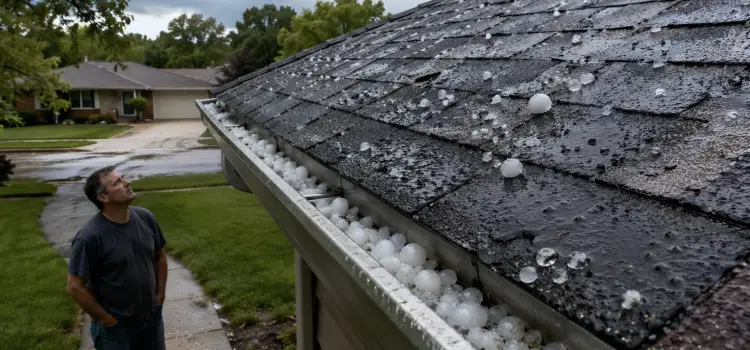
Table of Contents
- 1. What size hail can damage a roof?
- 2. Why Some Roofs Get Damaged Faster Than Others
- 3. How to Identify Hail Damage on a Roof After a Storm
- 4. When Homeowners Should Schedule a Roof Inspection and What Happens Next
- 5. Hail Damage Claims, Storm Restoration, and Choosing the Right Local Contractor
- 6. Hail Size Matters, but the Real Issue is Roof Condition After Impact
- 7. Frequently Asked Questions
After a strong Midwest storm, one of the first questions homeowners ask is what size hail will damage a roof. It’s a fair question, especially in Wheaton and across the Chicago metro area, where fast-changing weather can turn a quiet afternoon into a loud, pounding hailstorm in minutes. Still, hail damage to roof systems is not determined by diameter alone. The roofing material, the age and condition of the surface, wind speed, impact angle, and overall storm intensity all determine whether a hailstone will leave a harmless mark or cause real trouble.
A better next step is to move past guesswork, understand the general size ranges, and know when it makes sense to schedule a professional roof inspection or repair. In other words, homeowners need practical context, not just a rough number. The real issue is how those hail impact factors interact with the roof’s condition.
What size hail can damage a roof?
A simple answer is this: smaller hail can sometimes cause minor wear, but the risk of meaningful damage rises fast as hailstone size increases. Any useful hail size chart for roof damage should be read as a guideline, not a guarantee, because the same hailstorm can affect one roof differently from the next.
| Hail size | Common size comparison | What it usually means for roofs | Visible clues to check from the ground | Best next step |
|---|---|---|---|---|
| 0.5″ to 0.875″ | Small marble to nickel | Often minor on a newer, sound roof, but older or brittle asphalt can start losing granules and soft metals may show light marks | Small dents on gutters or vents, a few loose granules in downspouts, no clear leak | Monitor closely; schedule an inspection if the roof is older, already worn, or the hail was wind-driven |
| 1.0″ to 1.25″ | Quarter to half-dollar | First meaningful concern zone for many homes; ageing asphalt is more likely to bruise or fracture | Random granule loss, dark spots, dents on flashing or vents, early shingle bruising | Schedule a professional inspection even if damage looks light |
| 1.5″ to 1.75″ | Ping pong ball to golf ball | High likelihood of visible roof and soft-metal damage; tile, cedar, and vulnerable membranes become a bigger concern | Clear dents, bruises, fractured shingles, cracked edges, damaged gutters and roof vents | Inspect promptly, photograph all exterior hits, and document the storm date |
| 2.0″ to 2.5″ | Egg to tennis ball | Severe damage becomes more likely, including punctures, broken tiles, split wood, and hidden underlayment problems | Broken or displaced roofing pieces, exposed mat, fresh interior moisture, obvious collateral damage to trim and siding | Urgent inspection; use temporary protection if water intrusion starts |
| 2.75″+ | Baseball and larger | Major roof and exterior damage likely across broad areas | Widespread breakage, punctures, interior leaks, significant gutter, siding, and window damage | Treat as a storm-loss event; arrange emergency protection and full damage documentation |
Marble-sized to Nickel-Sized Hail
Marble-sized hail usually causes limited damage, though it can still create problems on an older roof or a weakened section of asphalt shingles. Dime- or nickel-sized hail may leave light marks, especially when wind drives the hail hard against the roof. On a newer, solid system, hail of this size may cause little visible damage. On a brittle or worn shingle surface, it can start the kind of wear that gets worse over time.
Quarter-sized to Golf Ball-Sized Hail
At that size, the risk becomes more serious. Quarter-sized hail is often enough to warrant a closer inspection, especially on aging asphalt systems. Industry testing helps explain why. Haag Engineering’s long-term work on asphalt shingle performance found that standard aged shingles were damaged more consistently once hail reached about 1 inch in diameter, with 1 to 1.25 inches becoming more concerning on common roof systems. Damage from 3/4-inch hail may still occur in the right conditions, but 1-inch hail increases the odds. By the time a homeowner is dealing with golf ball-sized hail, the chance of visible surface damage is much higher.
Large Hail and Severe Roof Damage
Once hail reaches larger sizes, the risk climbs sharply. Hail around 1.5 inches in diameter can cause obvious bruising, fractures, and exposed areas on vulnerable shingle surfaces. Hail measuring 1.75 to 2 inches across can cause severe damage. Tennis ball-, egg-, baseball-, softball-, and grapefruit-sized hail can cause major damage, including punctures and damage to underlying roofing components.
GAF’s technical guidance notes that hail damage often appears as indentations or fractures, and that each hailstone can vary in shape, hardness, and striking force. That is a useful reminder: size plays a role, but the condition of the roof, the material, and how the storm strikes the roof all shape the final outcome.
Why Some Roofs Get Damaged Faster Than Others
Understanding hail size is helpful, but it is only part of the picture. The bigger issue is how a specific roof responds when a hailstone strikes it. That brings other impact factors into play.
In simple terms, hail formation begins when strong thunderstorm updrafts carry water droplets high into freezing parts of the atmosphere. As layers of ice accumulate, the hailstone grows, then falls once it becomes too heavy for the storm to hold. What really affects a homeowner is the force of that fall. A hard, dense hailstone driven by wind can cause significantly greater damage than a softer stone of similar size.
That is important in Illinois. The Chicago area has averaged roughly 11 days of hail of any size and about 2 days of significant hail each year over recent decades, and researchers have warned that severe hailstorm days may rise in the future. For aging roofing systems, that can mean repeated impact, more wear, and a greater chance of damage after each major storm.
Hail Impact Factors That Change the Outcome
A roof does not respond to hail based on size alone. Age, slope, prior wear, and impact angle all influence the result.
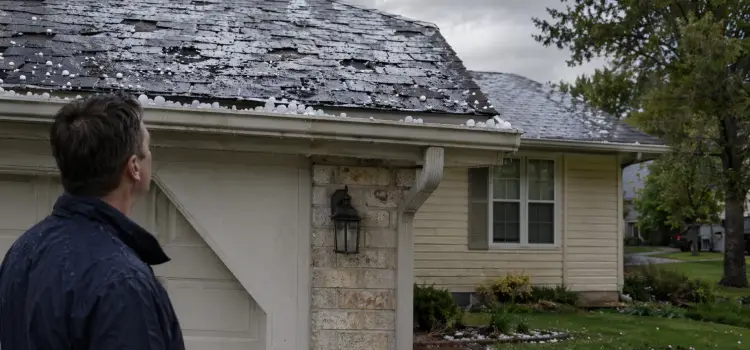
An older asphalt surface is usually less flexible than a newer one. Over time, heat, freezing weather, and everyday exposure can dry out the material and reduce its flexibility. That makes it easier for a hailstone to bruise or fracture the surface. The same storm can hit two homes on the same block and cause very different results because one roof is in better condition than the other.
Wind speed also changes the equation. A hailstone that falls straight down may leave limited marks, while one driven sideways by a strong storm can strike with greater force. Roof slope makes a difference too. A steeper roof may deflect part of the impact, while a lower slope can absorb more of the impact. Previous wear around flashing, edges, gutters, and exposed areas can also create weak points where damage is more likely to occur.
How Roofing Material Changes Hail Performance
Different systems handle hail in very different ways. Asphalt shingle hail damage often shows up as bruising, granule loss, or fractures. On this type of roof, even a modest hailstone can cause trouble if the shingle is aging or already weakened.
Metal roof hail damage does not always mean immediate failure, but it often leaves visible marks. Smaller stones can sometimes cause metal dents from hail, especially on softer aluminum panels or exposed components. That is one reason appearance and functional damage do not always match after a storm.
Other materials react in their own ways. Clay tile, concrete tile, and slate roofs can crack or break on direct impact. Wood and cedar shingles may show splits, fractures, or broken edges from hail. Fiber cement hail damage can also appear as cracking or surface failure. On commercial or modern residential systems, low-slope roof hail damage may include granule loss, membrane tears, or punctures that are harder to spot from the ground and some impact damage can stay latent until water intrusion or later deterioration makes the problem easier to see..
For homeowners planning ahead, stronger options do exist. Hail-resistant roofing products, including metal systems and impact-resistant shingles, can offer a more dependable level of protection when homeowners are planning a future roof replacement. They do not make a roof immune, but they can reduce the likelihood of serious damage from the next severe storm.
How to Identify Hail Damage on a Roof After a Storm
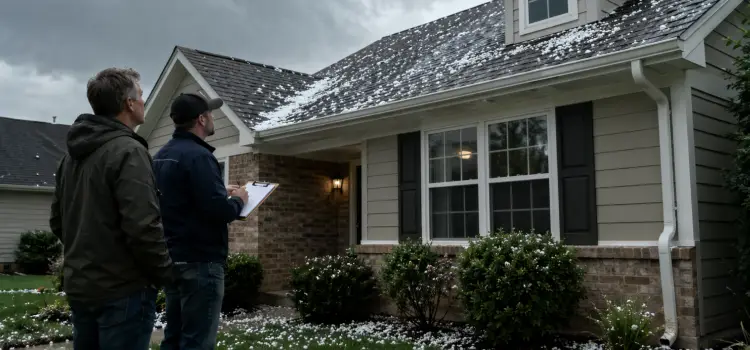
If you are trying to identify hail damage on a roof, the safest approach is to look for visible clues from the ground and then schedule a professional roof hail damage inspection if anything looks damaged. A proper hail damage assessment can catch problems that a homeowner cannot safely see.
Common Signs on Asphalt Roofs
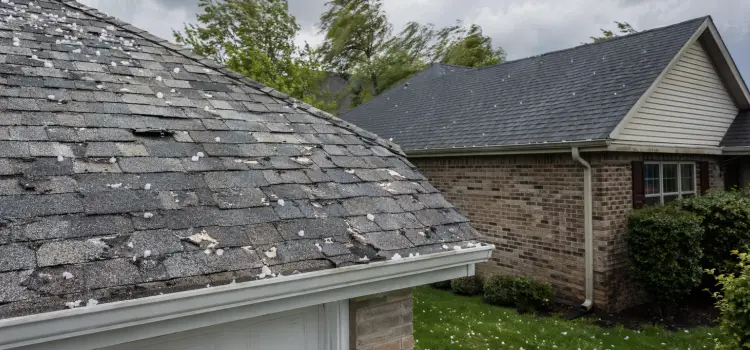
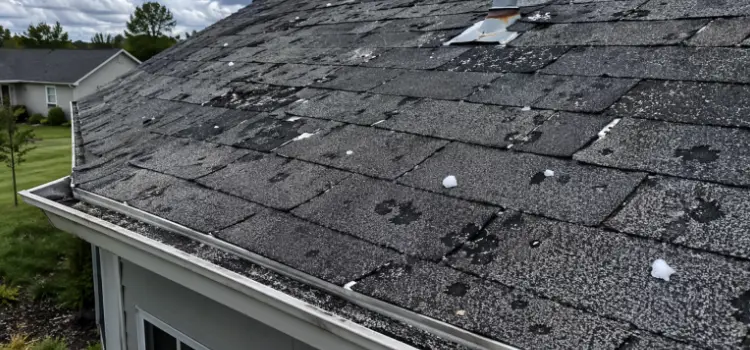
On asphalt systems, the most common signs include granule loss from hail, dark spots where the protective surface has worn away, and bruised shingles from hail that feel soft or compromised during inspection. Contractors may also find shingle fractures from hail or areas of exposed asphalt mat from hail, which can shorten the life of the roof and make leaks more likely.
Common Signs on Metal and Other Roofing Systems
Metal surfaces often make storm hits easier to notice. Metal dents from hail can show up on panels, vents, flashing, and gutters, sometimes even when the hailstone was only nickel-sized or quarter-sized. Tile roofs may crack. Wood surfaces may split. Cedar systems may break along the grain. Low-slope membranes may show worn spots, punctures, or surface splits after repeated strikes.
Signs the Damage May Go Deeper
Some problems do not show themselves right away. Roof punctures from hail, roof leaks from hail, and underlayment damage from hail may stay hidden until water starts moving behind the visible layers. In more severe cases, repeated impact can contribute to structural damage from hail, especially when the roof was already compromised before the storm.
For that reason visible dents, broken edges, scattered granules in gutters, or fresh interior moisture should never be ignored. The surface may look only lightly damaged, but the real condition underneath can tell a different story.
When Homeowners Should Schedule a Roof Inspection and What Happens Next
After a significant hailstorm, a prompt hail damage assessment is one of the best next steps a homeowner can take. A professional hail damage inspection is worth scheduling even when the surface looks mostly intact from the ground. That is because roof leaks from hail and other hidden problems do not always appear right away. A hailstone can bruise a shingle, dent a vent, or weaken flashing without creating an obvious opening right away. Then, after added stress from wind, rain, or another freeze-thaw cycle, the trouble starts to spread.
A careful inspection typically checks the full roof system, not just the main field of shingles. Contractors look at shingle surfaces, flashing, gutters, soft metals, vents, siding, and window trim for signs of impact or wear. That broader view is important. Industry testing and FM hail zone guidance both support the same practical point: once a storm produces larger hail, especially when hail reaches about 1.75 inches, delayed inspection can make it easier to miss early damage and harder to protect warranty or insurance timing.
When Repair May Be Enough
In some cases, targeted roof repair is the right move. If the damage is limited to a smaller area, and the surrounding roof is still in dependable condition, a professional may recommend replacing a section of shingles, repairing flashing, or addressing dents and exposed components before the problem grows. This can work well when the hailstone impact was isolated and the overall material still has solid life left in it.
Regular roof maintenance also helps in situations like that. A roof in better condition usually gives homeowners additional repair options after a storm.
When Replacement is the Smarter Long-Term Choice
Sometimes the better answer is roof replacement rather than repeated patching. Widespread bruising, multiple compromised areas, older brittle surfaces, or repeated storm exposure can all point in that direction. When the system has lost integrity across a broad area, repairs may only delay future problems. Homeowners dealing with widespread hail damage can review roof replacement pricing to get a clearer starting point before deciding whether repair or full replacement makes more sense.
For those situations, a contractor may discuss full roof installation options tied to long-term performance, especially in Illinois weather. On residential homes, that can mean stronger material choices and a more durable solution after severe hail damage.
Why Fast Post-storm Inspection Matters
Time matters after a major storm. A quick inspection helps document the condition of the roof, identify active concerns, and reduce the chance that hidden moisture turns into a larger repair. It also helps homeowners act faster if emergency roof repairs are needed to protect the property.
Hail Damage Claims, Storm Restoration, and Choosing the Right Local Contractor
A hail damage insurance claim is usually easier to support when there is clear documentation. Photos, notes, and a timely inspection all help show what the storm did and when it happened. The goal is not to overcomplicate the process, but to create a clear record of hail damage to the roof system and related exterior components.
Local storm experience helps most in situations like this. Boxer Exteriors is a licensed contractor based in Wheaton, serving Glen Ellyn, Naperville, Hinsdale, St. Charles, Downers Grove, and surrounding suburbs with roofing, siding, gutters, and windows. They offer storm restoration, roof repair, free inspections, flexible financing, and service backed by Owens Corning certification, BBB accreditation, and strong customer reviews. For homeowners dealing with storm damage, that kind of local experience can make the process feel steadier and easier to manage.
Hail Size Matters, but the Real Issue is Roof Condition After Impact
The answer to what size hail will damage a roof depends on both hail size and roof condition. Marble- or dime-sized hail may cause little trouble on a newer surface, while quarter- to golf ball-sized hail can create real concern, especially on aging asphalt systems. Metal, tile, cedar shingles, and low-slope roofing systems all respond differently.
For homeowners in Wheaton and across the Chicago metro area, the practical next step after a major storm is simple: schedule a professional roof hail damage inspection. If there are dents, edge wear, leaks, or other visible signs, getting clear answers early can help protect the home and reduce bigger repair costs later.
Frequently Asked Questions
What hail size is most likely to damage a roof?
There is no single cutoff, but knowing what size hail raises concern helps homeowners act faster. In many hail events, quarter-sized stones and larger deserve attention, especially on older roofs. The size of hailstones is only one factor, but age, slope, wind, and prior wear matter too. Some smaller hailstones may only leave minor damage, while larger ones can cause significant or even severe damage. The safest approach is to treat visible impact after a storm as worth checking.
Can small hail damage your roof, or is that mostly a concern with large hail?
Yes, even small hail can cause damage to a roof under the right conditions. A newer system may handle a light storm well, but an older surface with existing wear and tear is less able to withstand impact. The direction of the hail, wind speed, and the roof’s condition all influence whether damage occurs. Small stones may not leave dramatic marks, but repeated impact can still lead to gradual surface wear and damage, especially after multiple storms.
When is roof repair enough after hail, and when is more extensive work needed?
Targeted repairs make sense when the problem is limited and the surrounding areas are still sound. A contractor may fix flashing, replace damaged sections, or address isolated leaks before the issue spreads. But if the impact is widespread, a simple patch may allow damage to worsen over time. In cases like that, a careful inspection is especially important. It helps determine whether a focused repair will hold up or whether a broader solution is needed to prevent future water damage.
Are hail-resistant roofing materials worth considering in Illinois?
For many homeowners, yes. Hail-resistant roofing materials can reduce the risk of major hail damage during future hailstorms, especially in areas that see repeated severe weather. Options such as hail-resistant metal roofing and impact-resistant shingles are designed to better handle strikes that might otherwise cause roof damage on standard materials. They are not indestructible, but they can improve durability and reduce the risk of significant damage during stronger storms, which makes them worth considering during replacement planning.
How big does hail need to be before it becomes a real roof concern?
Homeowners often ask how big hail needs to be before action is necessary. In practice, that depends on the roof’s age and material, but quarter-sized stones and larger usually justify closer attention. Once a storm produces hail this size, especially around one inch, the chance of visible impact rises. Some stones may be large enough to cause damage without creating immediate leaks. Others may leave subtle marks that turn into a bigger problem after the next round of rain or freezing weather.
Why is asphalt shingle roofing more vulnerable to hail as it ages?
Age changes flexibility. Over time, sun, heat, freeze-thaw cycles, and general exposure make asphalt surfaces drier and increasingly brittle. As a result, asphalt roofs become more vulnerable to hail damage as they age. A newer surface may absorb impact better, while an aging one is easier to bruise, crack, or wear down. Once the protective layer starts to break apart, the roof becomes easier to damage with hail, and future storms can lead to deeper problems faster.
Does the size of a hailstone tell the whole story of potential roof damage?
Not at all. The size of a hailstone plays a role, but it is only one factor. Density, hardness, wind speed, roof slope, and the roof’s overall condition all affect whether the impact will cause damage. Two storms with similar-sized ice can produce very different results. For that reason homeowners shouldn’t rely solely on hail size. The same hailstone size might leave a few marks on one home and cause serious damage on another, depending on age and material performance.
Why does the size of hail matter differently for different roofing materials?
The size of hail matters because materials respond to impact in different ways. Asphalt may bruise or lose granules. Metal may dent. Tile may crack. Membrane systems may puncture. In other words, the same storm can create different types of damage depending on what is installed. For that reason homeowners should not assume one rule fits every roof. A commercial low-slope membrane roof, for example, may face low-slope roof hail damage that looks very different from what happens on a steep residential system.
What should homeowners do right after a hailstorm hits their neighborhood?
After a hailstorm, the first step is a safe visual check from the ground. Look for fresh debris, dents on gutters or vents, scattered granules, cracked exterior surfaces, and any interior signs of moisture. These can all be early signs of hail damage. It also helps to take photos and note the date of the storm. If anything seems off, schedule a professional inspection to spot hail damage before small issues spread. Fast documentation also helps if insurance questions come up later.
How do contractors decide between repair or replacement after hail damage?
The decision between repair or replacement depends on how widespread the impact is, how old the roof is, and whether the damage affects function or long-term performance. If only one section was hit, repairs may be enough. But if the system has broad bruising, punctures, or repeated weak spots, replacement may be the better option. Contractors look at whether the roof still has dependable service life left after the hail damage or whether the hail damage goes beyond what a spot repair can realistically solve.



Tony and Judy Lavarda, Napervile, IL

The team worked efficiently, stayed responsive to phone calls, and were always professional, friendly, and positive. They came highly recommended and truly delivered. We continue to refer them to our friends and neighbors as well.


I highly recommend Boxer Exteriors


Great customer service. Dawn and her team went above and beyond. I highly recommend!!!!!💪🏻💪🏻